
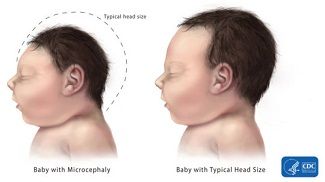




ZIKA
Latest News
Advertisement
Latest Videos







































































































































Advertisement
More News

As investigators learn a possible explanation for why the Zika virus causes such devastating effects, the CDC has deactivated their emergency operations center for the infection.
David A. Schwartz, MD, MS Hyg, FCAP, explains how researchers from all over the world have come together to share their research on Zika virus.
New research on Zika virus transmission leads some investigators to suggest that the virus should be labeled a sexually transmitted infection.

In case you missed them, we've compiled the top 5 articles from this past week.

Viviane Boaventura, MD, MsC, PhD, discusses ongoing research related to auditory complications due to congenital Zika syndrome.
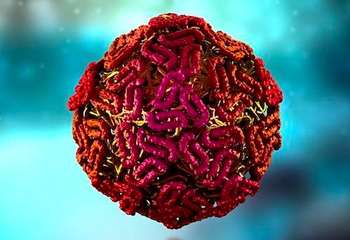
New cases of West Nile virus springing up around the country are a reminder that the virus can continue to cause new infections well into fall, as mosquitoes continue to stay active where it’s still warm.
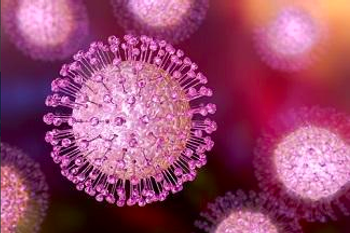
In this update, we cover the latest news this past week associated with the Zika virus.

Joergen Richt, DVM, PhD, discusses which animal models are being used to study Zika virus.

In a new study reviewing existing literature, researchers have found that more than 2 dozen viruses have been detected in human semen.

Viviane Boaventura, MD, MsC, PhD, shares how past research has demonstrated that adults can experience Zika-associated hearing loss.
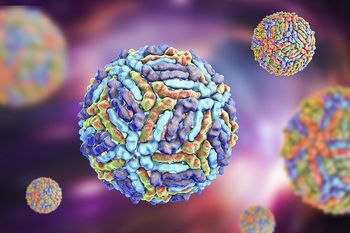
Although West Nile virus activity is set to taper off in the coming weeks, state health agencies are continue to report new cases, reminding the public that mosquito activity and new infections may continue well into fall.

Joergen Richt, DVM, PhD, discusses the transmission cycle of Zika virus.

New research on the Zika virus, how ticks are helping us learn more about HIV, and a rare mosquito-borne virus that has sprung up in the United States, round out the topics for our Top 5 articles of the week.
New research has shown that the devastating effects of the Zika virus on the newborn brain may be the key to destroying glioblastoma in adults.
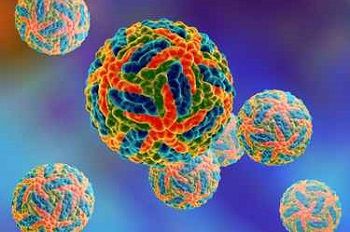
Researchers suggest the need to consider previous infection with dengue in the development of any new prophylactic modality.
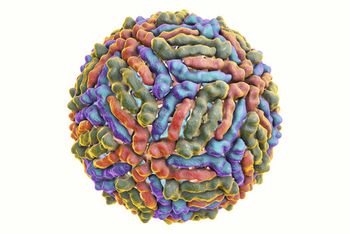
As the United States enters the final weeks of West Nile virus season, state health officials from around the country report several new deaths caused by the virus.
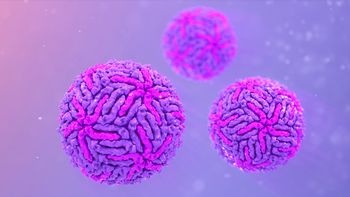
Keck School of Medicine at USC study has found that Zika virus suppresses pregnant women’s immune systems, which enables the virus to spread, causing harm to unborn baby.

A new study suggests that sexual transmission of Zika virus may create a higher risk for fetal disease than transmission via mosquito.

The new test examines proteins and peptides in saliva using proteomics, the study of proteomes and their functions.
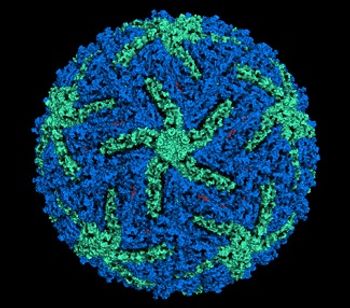
A new study is disputing previous findings that the Zika virus persists in semen for up to 188 days.

With federal and state officials rescuing Texas and Louisiana residents from the floodwaters of Hurricane Harvey, health experts are looking into the storm’s impact on mosquitoes carrying West Nile and Zika viruses.

Joergen Richt, DVM, PhD, discusses animals that have proven susceptible to Zika virus replication after experimental infection.

A new study indicates that casual contact, such as kissing, is not a major threat in the transmission of Zika virus.
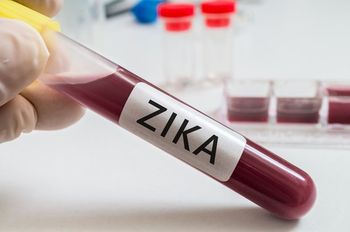
The FDA has just announced that it has made a panel of human plasma samples available to assist in evaluation of serological tests to detect recent Zika virus infection.

The less-costly tobacco-plant derived vaccine will be targeted for the developing world.
Advertisement
Advertisement
Trending on Contagion Live
1
New IDSA/ESCMID S aureus Bacteremia Consensus Statements: a Risk Stratification Framework
2
On World Rabies Day, When to Seek Treatment, Clinical Considerations for Post Exposure Prophylaxis
3
Further Insights, Treatment Considerations Around the PETERPEN Study
4
VYD2311 Shows Superior Tolerability to mRNA COVID-19 Vaccine in Phase 3 Study
5