






















































































































































Researchers from Brazil have developed a platform that can successfully diagnose hundreds of different viruses.
Researchers from Brazil have developed a platform that can successfully diagnose hundreds of different viruses.

The authors may have also discovered a potential therapeutic target for the complication.
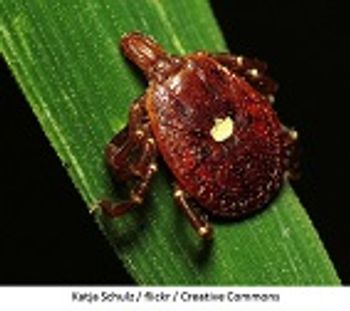
Scientists are studying whether wild animals play a role in the transmission of Heartland virus to humans.

Researchers in a new study have utilized the human antibody response to a salivary peptide in Aedes aegypti mosquitoes to determine the effectiveness of vector-control methods.
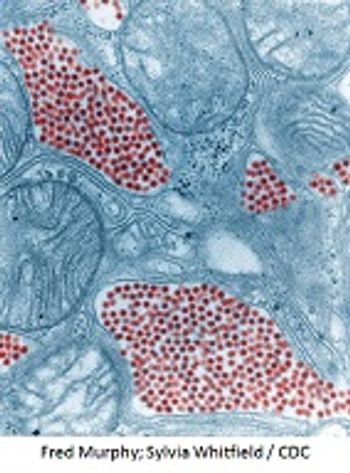
A letter published in the CDC’s Emerging Infectious Diseases journal reported the first human case of EEE in Arkansas.

Researchers from the University of California-San Francisco tested the ability of 2,177 FDA-approved compounds to reduce viral proliferation in Zika-susceptible cells.
Glaucoma, a serious eye disease that can potentially cause permanent vision loss, was diagnosed in an infant with Zika.

A new study’s findings make researchers optimistic as it proves that prolonged storage and pasteurization effectively inactivated Zika in the breast milk taken from women infected with the virus.
Thomas Frieden, MD, MPH, director of the CDC, and Susan Desmond-Hellmann, MD, chief executive of the Bill and Melinda Gates Foundation discuss how governments and business organizations should prepare for pandemics, especially a potential influenza pandemic.

A Texas resident with no history of travel has been diagnosed with the Zika virus. Officials believe this may be the first case of locally-transmitted Zika in the state.
A $29 million grant from the Bill & Melinda Gates Foundation will help focus efforts on eliminating malaria from Asia-Pacific and Southern Africa.

A study of 100 chickens collected from a marketplace in India finds multidrug-resistance in an emerging bacterial pathogen, and has researchers calling for improved food safety, monitoring, and surveillance.

Most biotech and pharmaceutical companies focus their research efforts on cures for chronic diseases that plague the majority of the population because that’s where the money lies; however, is the rise in devastating infectious diseases such as Zika redirecting the lens of many companies?
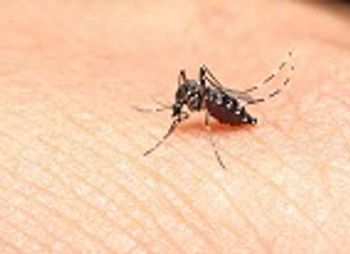
The Florida Keys are primed for the release of genetically modified (GM) male Aedes aegypti mosquitoes that pass a self-limiting gene to their offspring.

Although infection with the Zika virus remains a "public health challenge," as it is still circulating in many parts of the world, the World Health Organization no longer deems it one of international concern.
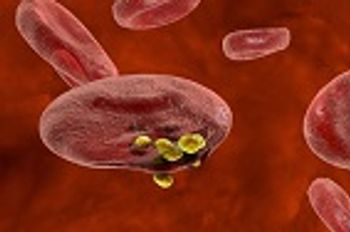
Researchers at Houston Methodist have discovered a protein that facilitates immunity against malaria and may be used to inform future vaccine development.
New research out of the University of Pennsylvania on a DNA-based Zika virus vaccine is showing promising results.
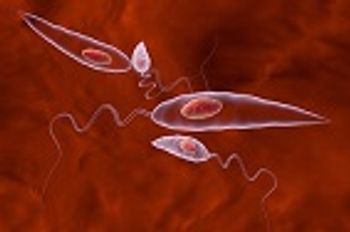
Leishmaniasis infections in the United States are on the rise as US soldiers and ecotourists make their way home.
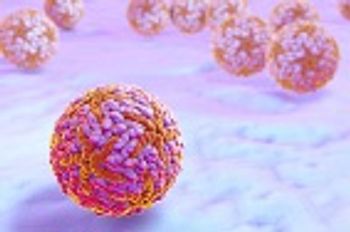
Researchers have found that the Zika virus is able to survive for at least eight hours on hard, non-porous surfaces.

The pharmaceutical giant, Bayer, began enrolling participants in a Phase III clinical trial in January 2016 with hopes to find appropriate dosing of Nifurtimoxin for children and newborns.

As health officials investigate a recent outbreak of acute flaccid myelitis in Washington State, more cases of the rare condition have appeared in other Western states; questions about the cause remain unanswered.

A recent study finds that when it comes to mosquito-borne outbreaks, in this case, Chikungunya, infections originate around the home with women more likely to become infected than men.
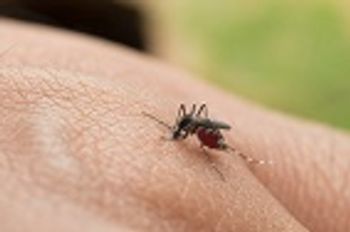
The results of an election poll question on conducting an effectiveness trial using genetically modified mosquitoes to combat the Zika virus revealed mixed feelings among Florida natives.

Human trials are currently underway for a potential candidate vaccine for the Zika virus and a novel treatment approach has shown promise in mice.

The Centers for Disease Control and Prevention has issued Zika guidance designed to bolster infection control and limit exposure to clinicians and other caregivers.