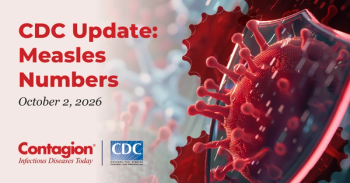
The latest CDC numbers show a 6.2% increase of measles cases from week-to-week. Last week there was a 5.4% increase in cases showing a continuing steady increase dictated by ongoing outbreaks across the US.
John Parkinson is the assistant managing editor for Contagion. Prior to joining MJH Life Sciences in 2020, he has covered a variety of fields and markets including diabetes, oncology, ophthalmology, IT, travel, and local news. You can email him at jparkinson@mjhlifesciences.com.
The latest CDC numbers show a 6.2% increase of measles cases from week-to-week. Last week there was a 5.4% increase in cases showing a continuing steady increase dictated by ongoing outbreaks across the US.
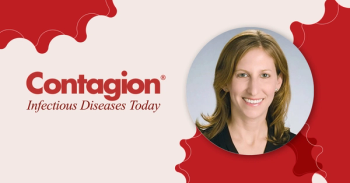
Lori Handy, MD, provides guidance in these areas including presentation before rash onset, when patients should be considered for the inpatient setting, and what treatment looks like.
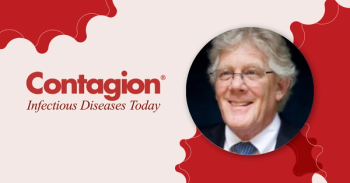
IDSA/ESCMID panel member Henry Chambers, MD, explains why the new S aureus bacteremia guidance replaces the complicated vs uncomplicated label with risk stratification, and how the statements are akin to the stages of cancer in guiding treatment decisions associated with this bacteremia.

Jason Pogue, PharmD, BCPS, BCIDP, contextualizes preliminary data looking at this trial and other extended-spectrum beta-lactamase (ESBL) studies, which reopens the debate around carbapenem-sparing treatment options.

Following World Rabies Day and a CDC health advisory on a 17% rise in exposure-related calls, Rodney E. Rohde, PhD, explains what the increase means, what people should do when they have an animal bite or scratch, and how clinicians should assess risk and administer post-exposure prophylaxis (PEP).
With a significant increase in rabies exposures this year, Rodney Rohde, PhD, talks about seeking medical attention after animal interactions as well as clinical treatment when people have been bit or scratched.
The latest CDC numbers show a 5.4% increase of measles cases from week-to-week. This year has already become the worst for the number of measles cases in the US since the disease was declared eliminated in 2000. With the start of respiratory virus season, case numbers are expected to continue to increase significantly.

A new study in infants challenges the long-standing belief about the pathogen’s effects in the youngest pediatric population. Senior author Joseph Zackular, PhD, provides insights around his work including how it reshapes gut development and offers potential intervention strategies to shield neonates.

In the first episode of our new series looking at the food safety network, Lynette Johnston, PhD, offers insights into how the federal government surveillance infrastructure operates and how epidemiologists serve as food detectives in determining bacterial pathogens and potential foodborne outbreaks.
In this week's top infectious disease stories, a Pennsylvania teen became the state's fourth measles death in weeks, the CDC reported a 17% summer surge in rabies exposure calls, new research revisited whether cefepime raises mortality risk, a multihospital review examined ceftriaxone's safety after state alerts, and examining Legionella pneumonia diagnostics.
The latest CDC numbers show a 5.37% increase of measles cases from week-to-week. In Pennsylvania, the fourth measles-related death was reported in 2026. Additionally, the CDC has made a change in the way it will report deaths.

The 18-year old resident of the state suffered from acute disseminated encephalomyelitis. Pennsylvania numbers are surging with some of the highest state totals of measles cases in the country.

In its second disease cluster this summer, city officials are cleaning building towers in the South Bronx amidst an ongoing investigation and are rolling out measures to prevent future Legionnaires' cases.

The death was reported in Jefferson County where the coroner released a statement announcing it was in an unvaccinated woman.

Food expert Lynette Johnston, PhD, provides some context around the ongoing outbreak, discusses prevention, and compares 2026 food recalls with previous years.
In the third episode of the series with Perry N. Halkitis, PhD, MS, MPH, he discusses how human behavior as well as other factors play a significant role in repeating outbreaks.
Here is a comprehensive list of vaccines approved this year as well as background information on the clinical data for each of them.
In the second episode of the series with Perry N. Halkitis, PhD, MS, MPH, he brings his personal experience to this topic and questions whether there should be a shift in who manages the primary care needs of these patients.
Gavin Harris, MD, provides some context around what is happening in the Democratic Republic of Congo regarding the outbreak including the country’s inherent challenges as well as discussing the latest in testing, vaccines, and treatments of this rare strain of Ebola.
Two Lancaster County residents have died from measles-associated complications, the state's first measles deaths in 35 years.
This week's top infectious disease stories cover treatment strategies for daptomycin-resistant Enterococcus faecium, fluoroquinolone prescribing's link to antimicrobial resistance, the legal standing of the childhood vaccine schedule executive order, and rising vaccine exemption rates alongside declining MMR coverage that's fueling continued measles outbreaks.

Newly released CDC data show childhood immunization rates have steadily declined since 2020, pushing measles vaccination coverage below the threshold needed for herd immunity and leaving an estimated 280,000 kindergartners without documented vaccinations this year. Robert Hopkins Jr, MD, medical director of the National Foundation for Infectious Diseases, discusses the latest vaccine data, geographic patterns, and how public health and school officials can address this continued trend.

Cases and deaths continue to increase in the Democratic Republic of the Congo, but the country's neighbor, Uganda, is declared Ebola free.

With the news this week that childhood vaccine exemptions were at a historical high, it is important to understand what they are and how they are applied. Pediatrician Sharon Nachman, MD, offers some insights about the ability to forgo vaccines because of exemptions.
As of August 17, federal officials are reporting more than 15, 716 cases, hundreds of hospitalizations, and nearly all US states have been affected.
The latest national numbers show a decrease in vaccination rates, along with a spike in the number of immunization exemptions, leading to an increase in the number of cases for vaccine-preventable diseases such as measles.

In the second episode with Jason M. Goldman, MD, MACP, he touches upon the legal side of the order and how it may affect the childhood vaccine schedule.
This week's infectious disease news spans a broad-spectrum carbapenem review, an expanding jalapeño-linked salmonella recall, the EU approval of Maviret for acute hepatitis C, and clinician backlash against President Trump's executive order reshaping the childhood vaccine schedule.
In the second part of the interview with Sharon Nachman, MD, she touches upon how the administration’s shared clinical decision-making category related to childhood vaccines will affect the hepatitis B and rotavirus vaccines and the expectations there will be subsequent disease increases.
Jason M. Goldman, MD, MACP, discusses the potentially damaging effects of the rhetoric coming from the presidential executive order, including downstream consequences and his concerns about the prospective findings of the HHS Task Force on Safer Childhood Vaccines associated with the order.
Published: August 27th 2024 | Updated: August 28th 2024

March 31st 2023
September 25th 2023

November 26th 2024