

The companies, Apotex and Pharmedica, are doing this action due to concerns of sterility of the products.
John Parkinson is the assistant managing editor for Contagion. Prior to joining MJH Life Sciences in 2020, he has covered a variety of fields and markets including diabetes, oncology, ophthalmology, IT, travel, and local news. You can email him at [email protected].
The companies, Apotex and Pharmedica, are doing this action due to concerns of sterility of the products.
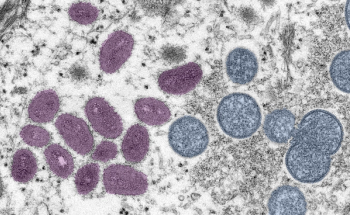
A healthcare worker and a patient with HIV concomitantly provide important clinical considerations.

The congressional bill has been on Capitol Hill for over 2 years now, and the interested stakeholders are continuing their lobbying efforts to get it passed.

The seasonal respiratory virus could be the challenging, lingering colds people are suffering with this year.

The hepatitis B vaccine (Recombinant), Adjuvanted (Heplisav-B) is approved in adults 18 years of age and older, and the vaccine’s developer, Dynavax, is working towards finding potential commercial partners for Great Britain.

A young woman who dealt with reoccurring Clostridioides difficile (CDI) in a short amount of time recounts her experience and how getting into a clinical trial made the difference in resolving her condition and getting her back to good health and her family.

The therapy, bepirovirsen, is an antisense oligonucleotide that targets all Hepatitis B (HBV) messenger RNAs, and the company is hoping it will become a functional cure.

Primary care physicians and advanced practice providers are responsible for the majority of people seeking medical care in the United States, yet there is a gap in discussing sexual health for those who are at risk of HIV or other sexually-transmitted diseases.
Based on the data presented today, the Vaccines and Related Biological Products Advisory Committee (VRBPAC) believed the benefits outweighed the safety concerns.
VisualDx is a platform that can provide clinicians with assistive technology and burgeoning providers with patient education.
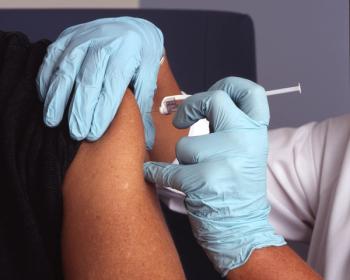
Two people developed Guillain-Barre syndrome among a total of 19,942 vaccinated participants in the clinical studies submitted for the company’s biologicals license application (BLA).

This fungal infection is an example of either being a treatable ailment or one that can cause severe disease and death depending on access to diagnostic and treatment resources.

Investigators looked at people living with HIV (PLWH) and the impact of this form of medication on potential cardiovascular events.
The federal agency is advising restaurants, retailers, and consumers against consuming raw oysters from this Canadian province.
A new report shows these providers are playing a larger role in vaccine administration, but without federal legislation codifying PREP, half the US states could determine not to continue this path for pharmacists and take away this now vital responsibility.

At the CROI conference, AELIX Therapeutics announced positive topline results for a phase 2a clinical trial.
The federal agency set a Prescription Drug User Fee Act (PDUFA) action date of August 2023.
A researcher who presented at CROI discusses this prolonged and debilitating condition.

A clinician presenting at CROI discusses the phenomenon and offers insights and considerations for treating patients who are dealing with this.

The unidentified German man cleared the virus after hematopoietic stem cell transplantation (HSCT), and seems to have eliminated the HIV reservoir, which would be further along than the first two HIV-free patients who underwent the same procedure.

Results reported at CROI showed that 2 cohorts of the ongoing, phase 3 DELIVER study that this form of PrEP modality posed no differences in pregnancy and infant outcomes.
A clinician offers insights on the initial conversations around learning to treat a chronic disease and the importance behind getting patients started down the right treatment path in the early days following a diagnosis.
The Conference on Retroviruses and Opportunistic Infections (CROI) begins today and SARS-CoV-2 has developed into a sustained topic at this annual conference.
The agency accepted 2 Supplemental New Drug Applications (sNDA) related to 2 different transplant populations.

Administered during the Omicron-dominant phase, the vaccine's efficacy was 73.2% in individuals 6 months to 4 years of age.

Ferring’s RBX2660 can be utilized by clinicians for patients with recurrent C diff.

This extension of the partnership will include 1.5 million more doses of the vaccine.

A hospital reviewed both treatments in a real-world clinical setting to determine the effectiveness in preventing early and late recurrences.
The 2023 changes include vaccines for influenza, pneumococcal disease, measles, mumps, and rubella (MMR) and COVID-19.
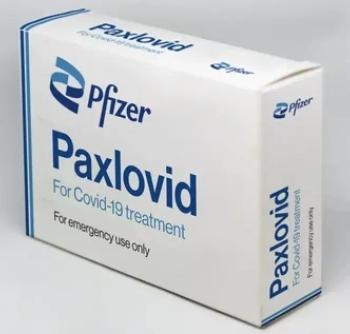
The antiviral did not modify SARS–CoV-2 RNA clearance, and did not increase the risk of adverse events.