
Amongst HIV negative participants, the vaccine demonstrated a 51% efficaciousness against B.1.351.
John Parkinson is the assistant managing editor for Contagion. Prior to joining MJH Life Sciences in 2020, he has covered a variety of fields and markets including diabetes, oncology, ophthalmology, IT, travel, and local news. You can email him at [email protected].
Amongst HIV negative participants, the vaccine demonstrated a 51% efficaciousness against B.1.351.
The company will provide the vaccine group with 34 million doses in the fourth quarter of this year, and up to 466 million more doses in 2022.
A report said the vaccine may receive a US Food and Drug Administration (FDA) Emergency Use Authorization (EUA) for the 12-15 year old population as early as next week.

The Connecticut, New York, and New Jersey governors announced plans to return to full capacity again.

This is our inaugural segment for our new video series, 1 Big Question, where we ask the medical community a question about a significant infectious disease topic and get feedback from them.

Two cases in the United States showed reinfection after administration of the m-RNA vaccines may complicate protection against new variants, but lend support to a potential need for a booster.

The company wants to transition to combination therapy of bamlanivimab and etesevimab together for COVID-19 treatment.
The ATLAS 2M study results showed non-inferiority in 2-month dosing compared to 1-month dosing for the cabotegravir and rilpivirine long-acting injectable.

Study finds a 10% reinfection rate amongst a mostly 18-20 year old United States Marine population in a closed setting.
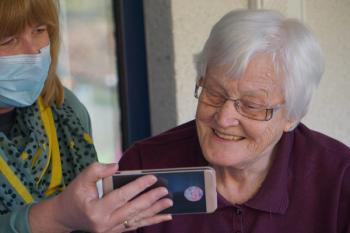
Increased facility-level vaccine coverage amongst residents and staff was associated with lower cases in the latter population.
The Centers for Disease Control and Prevention’s (CDC) Advisory Committee on Immunization Practices (ACIP) met today to discuss the blood clots’ issue and offered guidance on heparin usage in these cases.
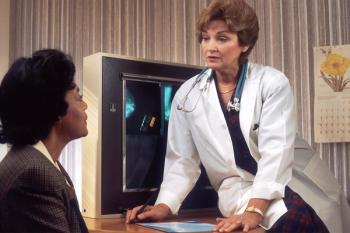
Social identity plays an important role in how antimicrobial stewards see their roles and influences how they communicated with prescribers.

In a press conference this morning, leadership of the FDA and CDC discussed why they made the decision on this vaccine and announced an ACIP meeting will be held tomorrow to review the data from the adverse events.

A recent study looked at the racial disparities amongst people living with HIV and COVID-19 positivity rates.

The company asked the Food and Drug Administration (FDA) to amend their Emergency Use Authorization (EUA) to include 12-15 year olds.
The United Kingdom’s Medicines and Healthcare products Regulatory Agency is making this recommendation for people in this age group after rare blot clots occurred after administration of the AstraZeneca vaccine.
2020 forced clinicians and people with HIV (PWH) to adapt to the COVID-19 pandemic. While initially it had an immediate impact on patient care, new solutions and strategies were created to ensure health care was delivered to those who needed it.

Biopharmaceutical company, NeuroRx, reported positive data from its phase 2/3 trial for its therapy, aviptadil acetate (Zyesami), in patients with severe COVID-19.
A manufacturing plant that was set to produce the Janssen (Johnson & Johnson) vaccine mixed up the ingredients of 2 vaccines.
The joint World Health Organization (WHO)-China Report looked at various scenarios and its theory of an animal to animal to human transmission.

The country’s federal health agency decided upon this action based on the small number of vaccine-induced prothrombotic immune thrombocytopenia (VIPIT) incidents in Europe, which are being investigated.
The Moderna and Pfizer-BioNTech vaccines are highly effective and transmission is unlikely.
The companies announced they are expanding their study in children ages 6 months to 11 years old.

The president updated his goal during his press conference this afternoon.
Overnight, the company restated it had a 76% efficacy against symptomatic disease and is looking to file an Emergency Use Authorization (EUA) with the Food and Drug Administration (FDA).

Long-acting injectables for latent and active tuberculous (TB) might be a treatment option in the future and could open up the door to possibly bundling HIV and TB care together.

Filmmaker Bill Mudge has released his new documentary, Beating Superbugs: Can We Win? It looks at emerging technologies designed to develop new therapies to combat antibiotic resistance (ABR).
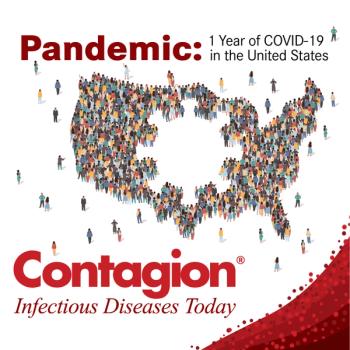
COVID-19 vaccine development demanded an adults-first approach. A year in, children are being invited to participate in trials in hopes of getting the pediatric population vaccinated later this year.
A 2-dose vaccination regimen did not show protection against mild-to-moderate disease due to the B.1.351 variant.
Melinta Therapeutics’ oritavancin therapy is indicated for treatment of acute bacterial skin and skin structure infections (ABSSSI) in adult patients.