



Antibiotics
Latest News
Advertisement
Latest Videos






















































































































Advertisement
More News

Diagnostic methods make all the difference in efforts against antimicrobial resistance.

Edmond LaVoie, PhD, shares different approaches that can be used to forestall the development of antibiotic resistance.

Alan Gross, PharmD, BCPS-AQID, shares how the Society of Infectious Diseases Pharmacists is working to improve antibiotic stewardship programs in long-term care facilities.
To paraphrase Anthelme Brillat-Savarin, “we are what we eat”—Especially when it comes to antimicrobials and food-producing animals.
Jason Pogue, PharmD, BCPS-ID, explains the clinical significance of his research team’s findings regarding the use of ceftolozane-tazobactam to treat Pseudomonas infections.

Edmond LaVoie, PhD, explains how his team’s approach can be applied in the development of novel drugs for the treatment of drug-resistant infections caused by Gram-negative and Gram-positive bacteria.

A team of researchers discover that Klebsiella pneumoniae is not the only culprit behind life-threatening healthcare-associated infections: there are two other Klebsiella species that share the blame.
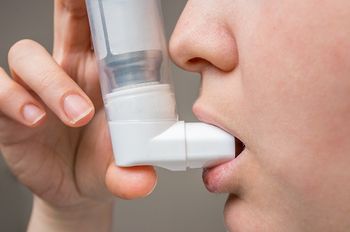
Lucy B. Palmer, MD, from Stony Brook University School of Medicine in New York argues that inhaled antibiotic therapy provides higher drug concentrations of antibiotics with fewer systemic side effects than IV therapy.

The results of a new study from Vanderbilt University provide more support for breastfeeding, revealing that sugars in human breast milk can help protect babies from bacterial infections.

Daniel Pilch, PhD, discusses the approach that he and his team took to develop a new drug to fight MRSA.

A herpes infection leads to deadly viral meningitis in an Iowa infant, an ingestible smart pill that can remind you to take your medications, global catastrophic biological risks, whether or not you should complete the full course of antibiotics, and all you need to know about Candida auris make up this week’s Top 5 articles.
Milena McLaughlin, PharmD, MSc, explains how antimicrobial shortages differ between high- and low-income countries.

Reports of increasing cases of antibiotic-resistant gonorrhea are on the rise and in fact, the World Health Organization has designated the infection as high priority as it poses a great public health threat.

Daniel Pilch, PhD, discusses the potential of Staphylococcus aureus to develop resistance to TXA709.
Reducing overall antibiotic exposure is likely to have an impact on decreasing antimicrobial resistance.
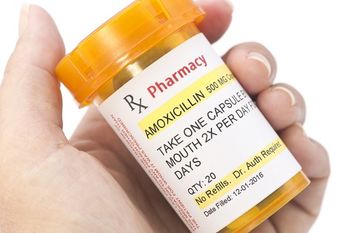
Jason C. Gallagher, PharmD, addresses the undetermined importance of fixed antibiotic durations.
This training will empower pharmacists practicing in LTC facilities to develop antimicrobial stewardship programs, improve patient outcomes related to infectious diseases, and facilitate compliance with CMS requirements.

An ingestible smart pill developed by Proteus Digital Health can remind patients with chronic diseases to take their medication.
ason Gallagher, PharmD, BCPS FCCP, FIDSA, explains why clinicians should be aware of the challenges associated with getting antimicrobial susceptibility testing results.

A team of researchers at Stevens Institute of Technology are working on the development of a rapid, cost-effective diagnostic test for the detection of bacterial and viral infections.
Jason Pogue, PharmD, BCPS-ID, explains how ceftolozane-tazobactam differs from other beta-lactams for treating Pseudomonas infections.
Milena McLaughlin, PharmD, MSc, explains ways to remain vigilant when it comes to drug shortages.
Elizabeth Phillips, MD, FRCPC, FRACP, addresses the misconceptions about penicillin allergies.
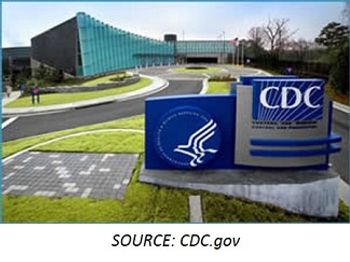
The Centers for Disease Control and Prevention (CDC) is providing local agencies with a boost—in the form of $200 million—to improve surveillance, laboratory diagnostic capabilities, and outbreak response.

Advertisement
Advertisement
Trending on Contagion Live
1
Cefiderocol-Xeruborbactam Active Against Carbapenem-Resistant Bacteria
2
Pritelivir Cuts Hospital Days in Refractory HSV in Phase 3 PRIOH-1
3
Zelicapavir Shortens RSV Symptoms Despite Missing Primary End Point
4
Measles Update: October 23, 2026
5