

Healthcare Associated Infections (HAI)
Latest News
Advertisement
Latest Videos



CME Content
































































































Advertisement
More News
James S. Lewis, PharmD, FIDSA, addresses the issues that surround current antibiotic development.
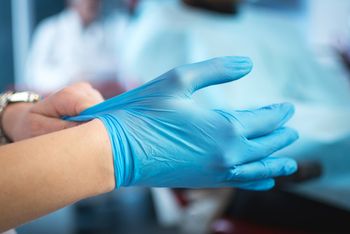
A new study finds that certified nursing assistants working in long-term care facilities are not changing their gloves as often as they should, running the risk of spreading infection.
This year, our goal is to obtain proclamations in all 50 states.
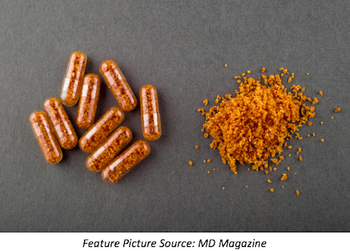
In a new literature review, researchers from the Netherlands postulate that studying fecal microbiota transplantation (FMT) can help identify novel therapeutic targets for metabolic syndromes.
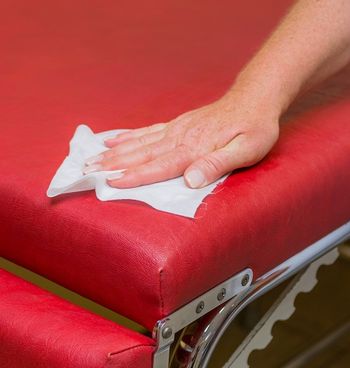
When it comes to cleaning products that work against Clostridium difficile, a new study has found that wipes are better than sprays.
Silvia Munoz-Price, MD, PhD, shares a few issues that hospital epidemiologists currently face.

While antibiotic resistance continues to lead to deadly Clostridium difficile infections, a team of researchers has found that a probiotic may offer a new way to kill the superbug.

A team of researchers discover that Klebsiella pneumoniae is not the only culprit behind life-threatening healthcare-associated infections: there are two other Klebsiella species that share the blame.

New research reveals a way to help increase healthcare provider hand hygiene by empowering patients to take an active role.
The results of a new study reveal increased risk of cardiovascular disease in adults previously hospitalized for pneumonia or sepsis.
Edmond LaVoie, PhD, describes the properties of prodrug TXA709.

Reducing overall antibiotic exposure is likely to have an impact on decreasing antimicrobial resistance.

The relationship between temperature and incidence of surgical site infections, progress towards an HIV vaccine, the cleanliness of your stethoscope, an explanation on how infection rates at Stanford Hospital are a canary in a coal mine, and an interactive visual map that depicts the HIV epidemic in the United States, make up the Top 5 news articles for the month of July 2017.

Data gleaned from a new study suggests that drug-resistant “superbugs” are not necessarily out-competing other strains.


The results of a new study reinforce the importance of performing stethoscope hygiene.
What does the latest news of Stanford Healthcare safety failures really tell us?

Researchers from the University of Iowa have found that surgical site infections are seasonal.
With as many as 30 million new cases annually, resulting in more than 6 million deaths worldwide, new initiatives are focusing on an age-old problem—sepsis, and its related complications.

Penn researchers find that cases of recurrent C. difficile infections are rapidly increasing, underscoring the need for new treatment options, such as fecal microbiota transplants.
What's the best recipe for MRSA screening and isolation practices?
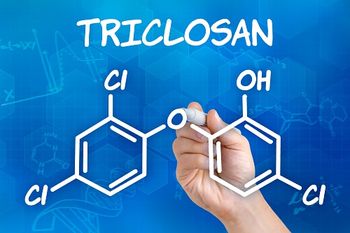
More than 200 scientists, medical professionals, and environmental researchers have released a statement calling on the international community to take further steps to limit the use of triclosan, triclocarban, and other antimicrobial compounds.
Measles in Ontario, more endoscope-related infections, a study of postnatal Zika infections, research and development on a river blindness vaccine, and using CRISPR to tackle Zika are the articles that make up this week’s Top 5.

The World Health Organization (WHO) is expanding its essential guidance to include diagnostic equipment and other vital technologies, following years of lobbying from clinicians, researchers, and industry groups alike.
How 8 years of poor disinfection exposed a darker side of Air Force medical practices.
Advertisement
Advertisement