











































































































An international study offers new insight on cases of influenza hospitalization among pregnant women.
An international study offers new insight on cases of influenza hospitalization among pregnant women.

Between September 29-December 28, 2019, influenza B viruses accounted for 59.2% of influenza-positive results reported nationwide. Of these isolates, 97.9% belonged to the B/Victoria lineage.

In a head-to-head comparison, investigators found that 3 enhanced flu vaccines provided better protection for elderly patients compared to standard-dose vaccines.

Even as hospitals try to stop health care-associated illnesses, they can often have difficulty identifying which employees are too sick to work. New research suggests a high number of health care employees work while experiencing symptoms of illness.
Study finds coinfection is unlikely as Europe braces for influenza A.

Influenza vaccination offers protection against illness and death for heart disease patients. The possibility of treatment-resistant influenza. The earliest, strongest US flu season in 15 years. What’s new in flu news this week?
Asthma patients benefited from flu vaccines, according to a study that examined 6 influenza virus seasons.

Facebook joins the fight against the flu. The FDA approves an influenza vaccine for adults age 65 years or older. What’s new in flu news this week?
Overall deaths of young children attributable to lower respiratory infections have dropped by more than half in the past 3 decades. However, the rate of death remains far too high considering that most of these deaths are preventable.
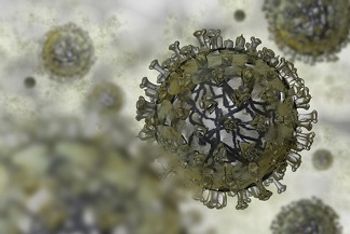
A new study from ECDC investigators highlights mortality and risk factors associated with seasonal influenza.

Fluzone High-Dose Quadrivalent is given to people 65 years of age and older to help prevent influenza disease caused by influenza A and B strains contained in the vaccine.
While most influenza vaccines target the binding protein hemagglutinin, a new study shows cross-strain results for treatment and prevention focused on the glycoprotein neuraminidase.

A study by Shikha Garg, MD, MPH, and her team with the US Centers for Disease Control and Prevention boosts the evidence base for the benefit of influenza vaccination.
H3N2, a particularly virulent strain of influenza, blew through Australia. Is it coming to the United States this fall and winter?

Using a unique approach of targeting the stalk of the hemagglutinin, investigators are taking steps toward developing a universal influenza vaccine candidate.

Angela Campbell, MD, MPH, details a study on influenza vaccine effectiveness in children with respiratory illness.
The approval marks the first and only antiviral medicine indicated specifically for patients at high risk of developing serious complications from the flu.

Millions of women and infants remain vulnerable to influenza and pertussis despite recommendations for vaccinations in pregnancy, according to a CDC report.

Helen Chu, MD, MPH, discussed the "Seattle Flu Study" with Contagion at IDWeek 2019.

The NFID released data revealing that only 52% of adults in the United States plan to get vaccinated against the flu this season.

A National Influenza Vaccine Task Force has been established, which will develop a 5-year plan to promote new vaccine manufacturing technology and to accelerate the development of a universal flu vaccine.

“We want the readers to know that there is room for improvement in current hand hygiene regimen,” the study authors said.
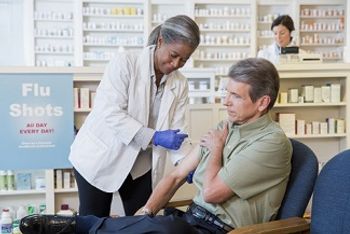
A nationwide cohort study in Denmark examined hypertensive populations and the protective effects awarded by the influenza vaccination.

Infection with pertussis or influenza can be serious, and in some cases deadly, in newborn babies, therefore it is critical for pregnant women to receive the Tdap and influenza vaccines.

A NIAID-sponsored study found that most participants who received a 5-day course of broad-spectrum antibiotics prior to a season flu shot had reduced levels of gut bacteria.