



Respiratory Infections
Latest News

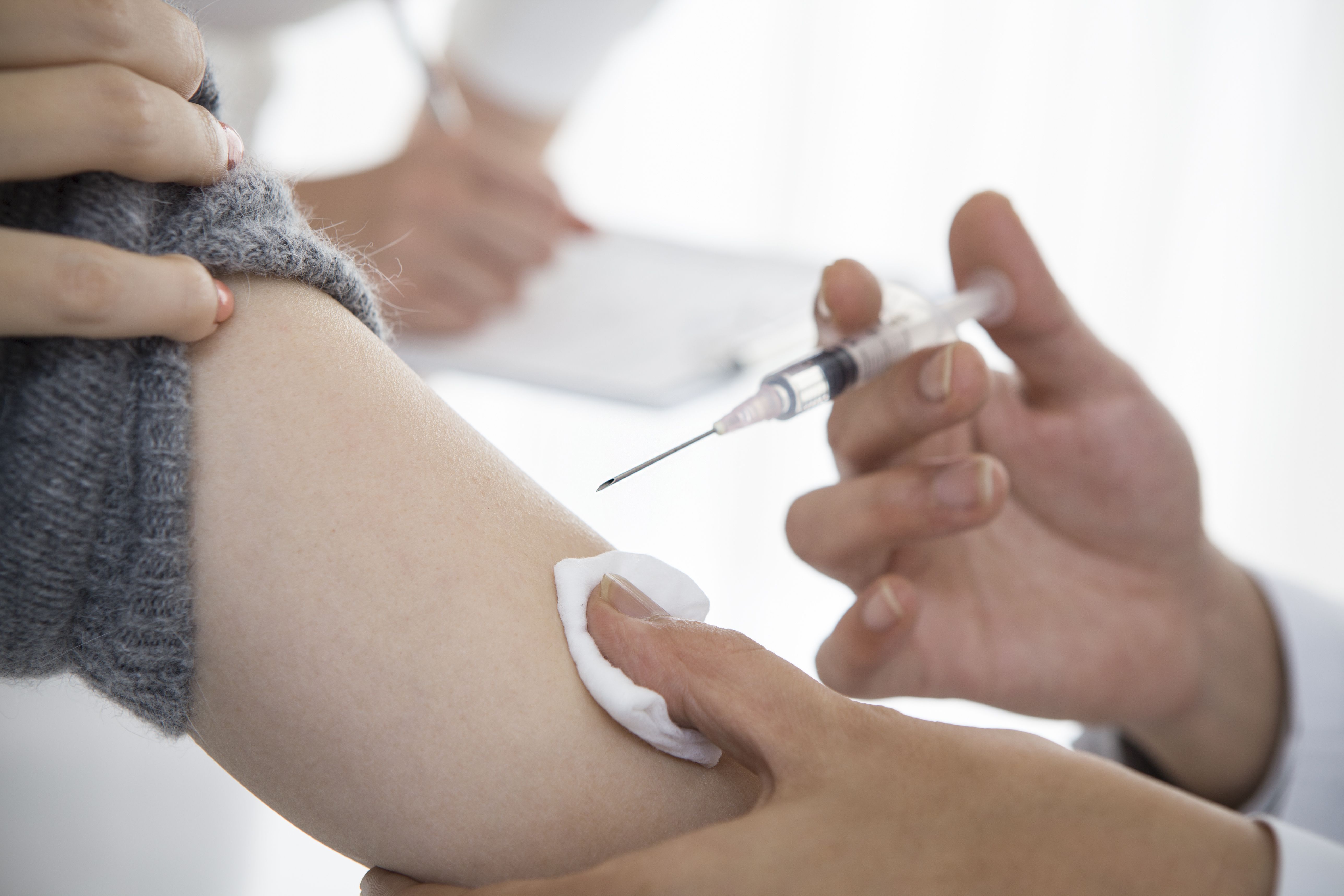
Quadrivalent Influenza Vaccines Provide Higher Immunogenicity Against B Lineage vs Trivalent
By Joshua Fitch
Advertisement
Latest Videos

















































































































































Advertisement
More News

George Sakoulas, MD, highlights persistent unmet needs in managing CAP and key takeways from ID week 2023.
An expert in infectious diseases comments on multidrug-resistant pathogens such as pneumococcus in CAP, and shares thoughts on balancing antimicrobial stewardship with the pharmacoeconomics of antimicrobial therapies in CAP.

This discussion revolves around diagnostics for viruses and best practices and challenges.
Two RSV vaccines for seniors were FDA approved this year and here is an overview of the vaccines and the study data.
Dr George Sakoulas shares strategies for selecting single and combination therapy when dealing with empiric vs focused treatment regimens for CAP and discusses clinical considerations for elderly patients hospitalized with CAP.
George Sakoulas, MD, provides insight on the burden on the healthcare community of community acquired pneumonia (CAP) and the influence of geography and seasonal variations on CAP.
A new study that went beyond the current standard of testing for the respiratory virus resulted in greater incidence rates and a truer accounting of case loads.

The company dosed its first study participant with its investigational vaccine, mRNA-1083. And this follows recent data reported from their phase 1/2 trial where the vaccine showed strong immunogenicity against influenza and COVID-19, with an acceptable reactogenicity and safety profile.
The federal agency sent out a health advisory to change the prescribing recommendations for the newer preventative respiratory syncytial virus (RSV) monoclonal antibody.
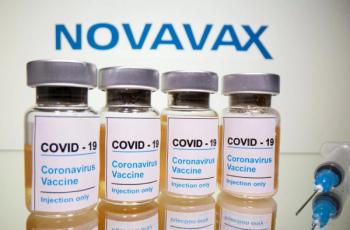
The updated emergency user authorization follows similar approvals and authorizations for Moderna and Pfizer's COVID-19 vaccines.
The federal agency says the data shows immunization reduces hospitalizations by more than 57 percent in first 6 months after birth.
The federal agency says infants of a certain age should receive this monoclonal antibody to protect against the virus.
The interim analysis of its phase 3 study shows the company’s mRNA-1010 vaccine was efficacious against all 4 A and B influenza strains.
Due to increased RSV activity in the southeast United States, the CDC has issued an official Health Alert Network Health Advisory. The federal agency recommends clinicians prepare to implement recently FDA-approved prevention methods.
From a virus that had no treatment options, to one that may be prevented in two different modalities, clinicians are hoping to see a reduction in respiratory syncytial virus (RSV) incidence rates, starting this fall.
Poll conducted by University of Michigan had a majority of people wanting to know more about it.
The vaccine is intended to help prevent lower respiratory tract disease caused by respiratory syncytial virus in infants from birth to 6 months of age.

With the FDA approval of nirsevimab-alip (Beyfortus), which is indicated for prevention of respiratory syncytial virus (RSV) in infants, clinicians will need to have important conversations with families around this monoclonal antibody, beginning this fall.

A clinician offers a glimpse of what it is like to treat infants with respiratory syncytial virus (RSV). And with the recent FDA approval of nirsevimab, how that will likely benefit families and the youngest population.
The lawsuit comes as the RSV market is likely to get more crowded, with a pending approval for Pfizer's pediatric indication later this month and a BLA submission from Moderna recently filed.
The federal agency’s Advisory Committee on Immunization Practices (ACIP) also added the recently approved therapeutic to the Vaccines for Children program.
The vaccine targets an additional 8 unique serotypes that disproportionally affect the adult population.
The monoclonal antibody is indicated for the prevention of respiratory syncytial virus (RSV) in newborns, infants, and young children.

More symptoms, older age, and longer hospitalization time increased the risk of post-COVID-19 conditions (long COVID) in children.

Researchers investigated abatacept, cenicriviroc, and infliximab, but found that these medications did not significantly impact the time to recovery from COVID-19 pneumonia compared to placebo.
Advertisement
Advertisement
Trending on Contagion Live
1
Ebola Update: DRC Outbreak Reaches 9735 Cases, Second Largest on Record
2
Early Dual Therapy Shortens Staphylococcus aureus Bacteremia in SABEDTIO Trial
3
Pritelivir Cuts Hospital Days in Refractory HSV in Phase 3 PRIOH-1
4
Pfizer 25-Valent Pneumococcal Vaccine Boosts Serotype 3 Response in Infants
5