




Respiratory Infections
Latest News
Advertisement
Latest Videos







































































































































Advertisement
More News
A company has developed an intelligence platform for better understanding influenza and other viral trends.
After an all-day meeting, the FDA’s Antimicrobial Drugs Advisory Committee has voted to recommend nirsevimab (Beyfortus) for the prevention of respiratory syncytial virus (RSV) disease in infants.
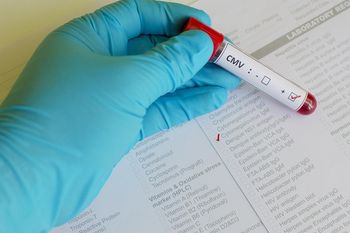
COVID-19 and CMV coinfection caused the premature aging of immune systems, leading to a greater risk of cardiovascular disease at an earlier age, the study authors said.

Following household COVID-19 transmissions for over 3 years, investigators found that 70.4% had a pediatric index case.

Findings indicate that while the severity of health impairment decreases over time, 18% of unvaccinated participants still experience symptoms up to 2 years after infection.
From outbreaks to breakthroughs, these are the biggest infectious disease headlines from the past week.

How does the diagnosis rate of mental health disorders after COVID-19 compare to that of other respiratory infections?
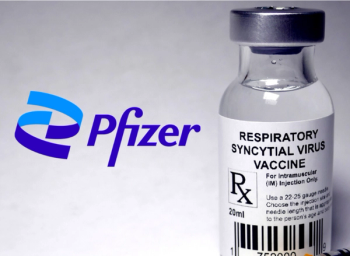
The FDA's decision to approve Abrysvo was based on data from a Phase 3 clinical trial, which demonstrated the RSV vaccine's efficacy, immunogenicity, and safety in adults aged 60 and older.
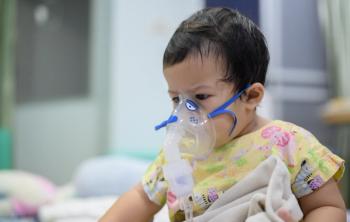
The Omicron variant caused the most symptoms in pediatric patients. However, there were no differences in adverse outcomes by COVID-19 variant.
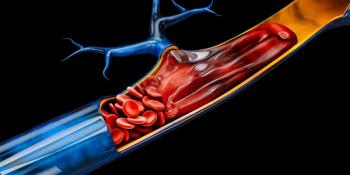
Anticoagulant treatment for 3 to 6 months was sufficient for the majority of COVID-19 patients with venous thromboembolism, the study authors found.
Pfizer's RSVpreF vaccine candidate has shown promising efficacy in preventing severe lower respiratory illness caused by RSV in infants. With the potential approval of RSVpreF, pediatric care could undergo a significant positive change.
Stay informed with this concise summary of the week's most significant stories.
RSVpreF receives strong support from the FDA's VRBPAC, with positive votes for efficacy and safety. The vaccine shows promise in preventing severe respiratory illness in infants, and an FDA authorization decision is expected in August 2023.

These new tests, conducted in a single tube within minutes, could enable at-home testing for various diseases. By incorporating CRISPR technology, the test achieves high reliability by distinguishing between false and true positives.

There are currently no vaccines nor antiviral agents approved for RSV in infants. Sanofi presents data from the HARMONIE trial showing nirsevimab reduces hospitalizations due to RSV by 83.21%.
This study determined the efficacy of face masks at reducing exhaled particles in children, as well as whether the type of activity affected the concentration and size of particles.
Steven Varga, PhD, explains why infants and young children are so susceptible to severe respiratory syncytial virus (RSV) infections.

On the same day WHO Director-General Tedros Adhanom Ghebreyesus declared the end of the COVID-19 public health emergency, CDC Director Rochelle Walensky announced she will be stepping down at the end of June.
RSV expert Steven Varga, PhD, describes the failed vaccine trials that paved the way for the world's first respiratory syncytial virus (RSV) vaccine, as well as the innovations still needed to protect vulnerable populations against RSV infection.

The FDA has authorized GSK’s Arexvy (RSVPreF3 +AS01E) prevent lower respiratory tract disease (LRTD) caused by RSV in adults 60 years and older.
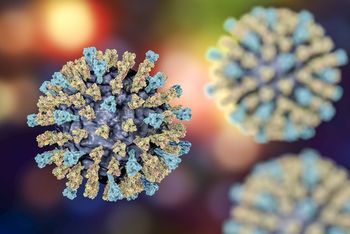
An outbreak of the highly infectious measles virus has led American Samoa to declare a public health emergency.
The floods, heat waves, droughts, and other calamities caused by excessive greenhouse gas emissions also make us more vulnerable to ill effects of pathogens such as bacteria, viruses, plants and fungi.
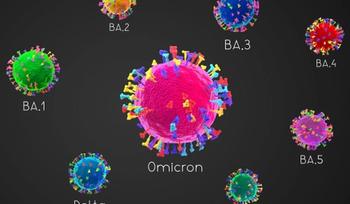
Omicron lineages, and especially BA.5, were determined to have higher reinfection rates and lower disease severity than previously circulating variants of concern.
Two RSV vaccines for seniors have completed phase 3 trials and demonstrated beneficial results. FDA decisions on potential approvals for both could be forthcoming in the next few weeks.

Patients who contracted COVID-19 later in the pandemic (2021-2022) were more likely to develop new chronic diseases after infection than patients who caught COVID-19 in 2020.
Advertisement
Advertisement