




Respiratory Infections
Latest News
Advertisement
Latest Videos



CME Content





















































































































Advertisement
More News
Stay informed with this concise summary of the week's most significant stories.
RSVpreF receives strong support from the FDA's VRBPAC, with positive votes for efficacy and safety. The vaccine shows promise in preventing severe respiratory illness in infants, and an FDA authorization decision is expected in August 2023.

These new tests, conducted in a single tube within minutes, could enable at-home testing for various diseases. By incorporating CRISPR technology, the test achieves high reliability by distinguishing between false and true positives.

There are currently no vaccines nor antiviral agents approved for RSV in infants. Sanofi presents data from the HARMONIE trial showing nirsevimab reduces hospitalizations due to RSV by 83.21%.

This study determined the efficacy of face masks at reducing exhaled particles in children, as well as whether the type of activity affected the concentration and size of particles.
Steven Varga, PhD, explains why infants and young children are so susceptible to severe respiratory syncytial virus (RSV) infections.

On the same day WHO Director-General Tedros Adhanom Ghebreyesus declared the end of the COVID-19 public health emergency, CDC Director Rochelle Walensky announced she will be stepping down at the end of June.
RSV expert Steven Varga, PhD, describes the failed vaccine trials that paved the way for the world's first respiratory syncytial virus (RSV) vaccine, as well as the innovations still needed to protect vulnerable populations against RSV infection.

The FDA has authorized GSK’s Arexvy (RSVPreF3 +AS01E) prevent lower respiratory tract disease (LRTD) caused by RSV in adults 60 years and older.
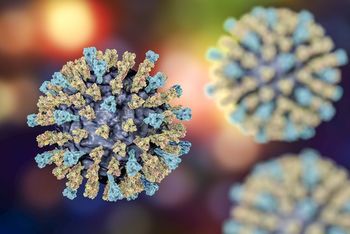
An outbreak of the highly infectious measles virus has led American Samoa to declare a public health emergency.
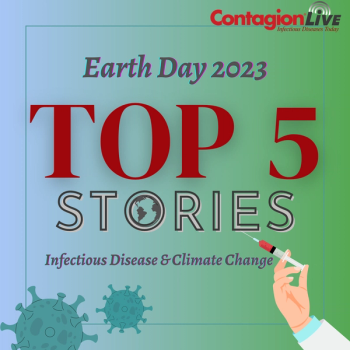
The floods, heat waves, droughts, and other calamities caused by excessive greenhouse gas emissions also make us more vulnerable to ill effects of pathogens such as bacteria, viruses, plants and fungi.
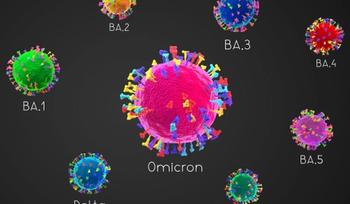
Omicron lineages, and especially BA.5, were determined to have higher reinfection rates and lower disease severity than previously circulating variants of concern.
Two RSV vaccines for seniors have completed phase 3 trials and demonstrated beneficial results. FDA decisions on potential approvals for both could be forthcoming in the next few weeks.

Patients who contracted COVID-19 later in the pandemic (2021-2022) were more likely to develop new chronic diseases after infection than patients who caught COVID-19 in 2020.
Anemia is both common and independently associated with poor clinical outcomes in respiratory infections, including COVID-19.
The FDA moved to harmonize primary and booster COVID-19 vaccine doses, deciding only the Moderna and Pfizer-BioNTech bivalent mRNA vaccines should be administered to individuals 6 months and older.
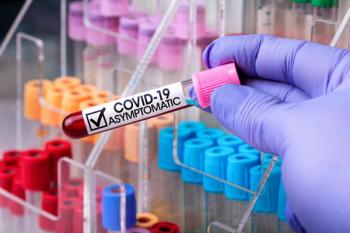
These study findings suggest COVID-19 admission testing may not be necessary in hospitals, as most asymptomatic COVID-19 patients were not infectious.

Moderna announced new mRNA vaccine candidates to combat prevalent viruses, and is even developing their first-ever bacterial vaccine for Lyme disease.

This study of health care access and affordability found adults with long COVID reported more unmet health care needs in the past 12 months.
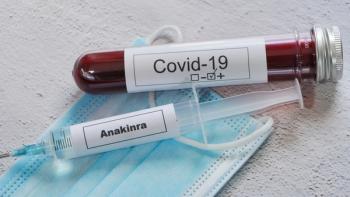
Can anakinra reduce inflammation and the need for mechanical ventilation in patients with severe COVID-19 pneumonia?

This week's most-read stories discussed unforeseen consequences of the COVID-19 pandemic, including an increase in gastrointestinal diseases and a decrease in childhood asthma diagnoses.
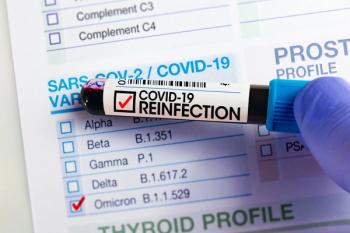
How likely is COVID-19 reinfection? A new study estimates the protection from past COVID-19 infection by variant and time since infection.
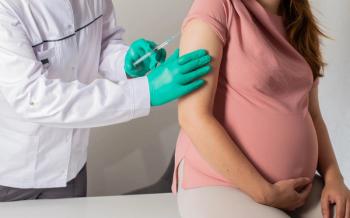
Pfizer’s investigational RSV prefusion F protein−based vaccine (RSVpreF) was 81.8% effective at preventing medically attended severe RSV-associated lower respiratory tract illness in infants.
Vilobelimab (Gohibic) was granted Emergency Use Authorization to treat adults hospitalized with severe COVID-19 infection.

COVID-19 prevention practices such as masking, social distancing, and school closures lowered children’s exposures to circulating respiratory viruses and other environmental triggers of asthma.
Advertisement
Advertisement
Trending on Contagion Live
1
Ebola Outbreak Climbs to 11,645 Cases as Deaths Near 5700
2
Measles Update: November 20, 2026
3
EU Approves Sanofi's Rabies Vaccine VaxRabeo for All Age Groups
4
IDSA 2026 AMR Guidance Puts Resistance Mechanisms at Center of Therapy
5