














































































































Sexually Transmitted Diseases

Latest News


CME Content


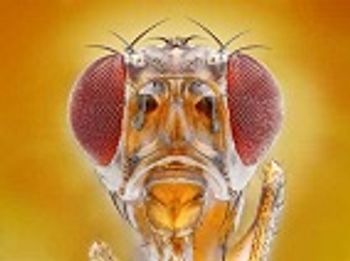
By using a fruit fly model of human papillomavirus (HPV) induced human cancer, a team of researchers from the University of Missouri hope to better understand the mechanism that allows HPV to cause cancer as well as identify therapies that can potentially treat HPV-induced cancers.

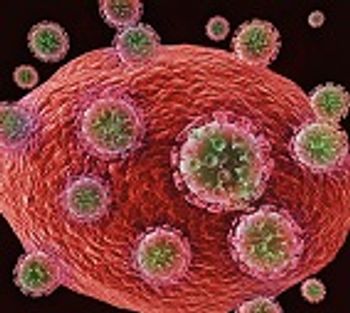
An essential component of HIV that explains how the virus infects other cells and remains undetected by the immune system has been discovered by researchers at the MRC Laboratory of Molecular Biology in Cambridge and the University of London.

A new study found that girls between 9 and 14 years of age who received a two-dose HPV-16/18 AS04-adjuvanted vaccine over a 6 or 12-month period of time are just as protected from HPV as girls between 15 and 25 years of age who received a three-dose vaccine over the course of 6 months.

Groundbreaking research has uncovered several possibilities to potentially cure HIV in patients receiving antiretroviral therapy (ART), while a new drug prohibits the virus from maturing, preventing viral infection of new cells.