

At MAD-ID, Dianne Nguyen, MD, shares Phase 3 data showing consistent tolerability of the microbiome therapy across high-risk patient populations
At MAD-ID, Dianne Nguyen, MD, shares Phase 3 data showing consistent tolerability of the microbiome therapy across high-risk patient populations
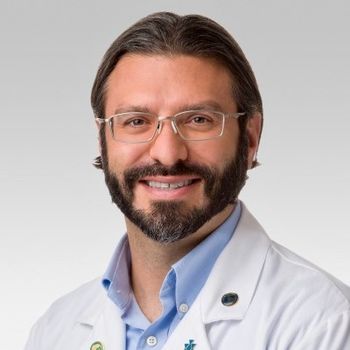
At MAD-ID, Marc Scheetz, PharmD, discusses how PK/PD modeling and AUC-based strategies offer safer, more precise antibiotic therapy.
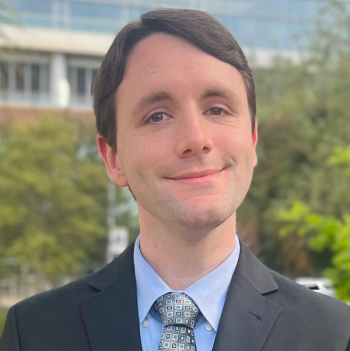
Logan Brock, PharmD, presents data at MAD-ID, showing limited diagnostic yield from routine fungal cultures and delayed results compared with standard methods.

At MAD-ID 2025, Kimberly Leuthner, PharmD, FIDSA, highlights the need for larger prospective studies amid limited current evidence.

At MAD-ID 2025, Jiye Park, PharmD, presents findings showing once-daily dosing is effective, with no added benefit from extended vancomycin use after antibiotics.
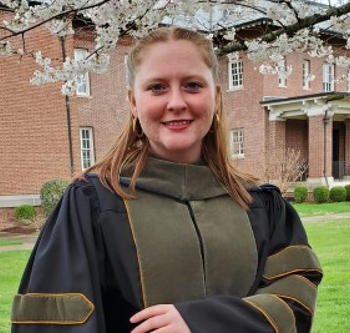
At MAD-ID 2025, Dakota Rorie, PharmD, highlights cost and access barriers to uptake of preferred CDI therapy.
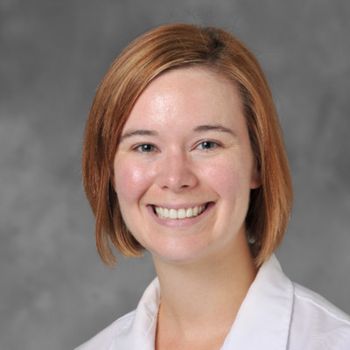
At MAD-ID 2025, Rachel M. Kenney, PharmD, discusses treatment shifts, microbiome innovations, and pharmacists' roles in optimizing outcomes.

Timmy Do, PharmD, BCIDP, BCPS, presents case series at MAD-ID 2025 on investigational therapies following tecovirimat failure.
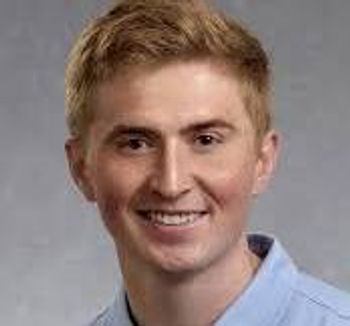
At MAD-ID 2025, Cadhan McFadden presents data from a multidisciplinary ambulatory care project using PEN-FAST scoring and oral challenges to improve antibiotic access and accuracy.

A new study being presented at MAD-ID looked at this class of therapies vs oral penicillins and found the former to be non-inferior to the latter.

At MAD-ID 2025, Elizabeth Dodds Ashley, PharmD, MHS, explains how NHSN’s Antibiotic Resistance Option is shaping stewardship and clinical decision-making.

At MAD-ID, a study highlights how prescribing in these settings suggests a need for antimicrobial stewardship efforts.

At MAD-ID, Timothy Aungst, PharmD, outlines the role of artificial intelligence in clinical decision-making, curriculum design, and infectious disease practice.

Alexander Laurenson presents T-cell-focused tool at the 2025 Vaccinology Conference using data from 18 countries and 748 HLA alleles to address immune diversity in Africa.

New meta-analysis at the 2025 vaccinology conference highlights the efficacy of maternal RSV vaccines, with calls for enhanced monitoring following safety issues with one candidate
More than 80% of adults support COVID-19 vaccination, but hesitancy linked to side effects, geopolitics, and misinformation remains a challenge, says lead researcher Mahmud Sheku, MPH, MSc.

Therapeutic vaccines GS-2829 and GS-6779 demonstrate immune responses and strong safety profile, showing potential to contribute to global hepatitis B elimination efforts.
Multinational real-world analysis underscores the effectiveness of sofosbuvir/velpatasvir (SOF/VEL) across diverse populations and highlights the need for timely treatment initiation to improve patient outcomes.

Paul Feuerstadt, MD, discusses the safe and effective use of RBL in preventing C difficile recurrence with positive physician feedback and high patient benefit

Phase 3 data link gut microbiome shifts to better mental health outcomes in patients treated with fecal microbiota, live-jslm.
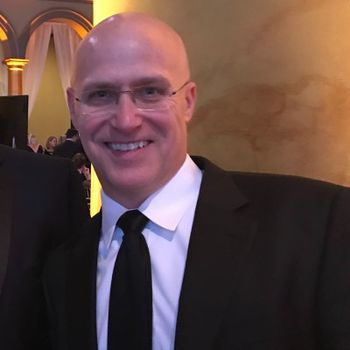
Novavax Vice President Matthew Rousculp on reactogenicity, vaccine hesitancy, and supporting informed decisions.
At ESCMID Global 2025, SHIELD study data show Novavax recipients experienced fewer adverse effects and missed less work compared with those who received the Pfizer-BioNTech COVID-19 vaccine.

Global study reveals sharp rise in deaths linked to high-risk antibiotic use, prompting urgent calls for stewardship reform and surveillance improvements globally.
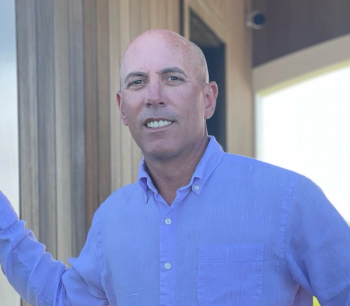
Jeff Fischer, MBA, discusses promising preclinical data on a cross-species, cross-strain influenza candidate with pandemic potential at the 2025 Congress of the European Society of Clinical Microbiology and Infectious Diseases.

Studies presented included once-yearly lenacapavir formulations for PrEP, bictegravir outperforming darunavir in advanced HIV, Immunocore's IMC-M113V showing viral control and reservoir reduction, and more.

Rachel A Bender Ignacio, MD, MPH explores safety, pharmacokinetics, and future directions for HIV treatment.

Anchalee Avihingsanon, MD, PhD presents results showing 95.4% HIV RNA suppression and 86.6% HBV DNA suppression after 48 weeks of B/F/TAF in HIV-HBV co-infected patients.

David Berman, MD, PhD, discusses signs of dose-dependent viral control and reduction in active HIV reservoir in Phase 1/2 STRIVE trial data.
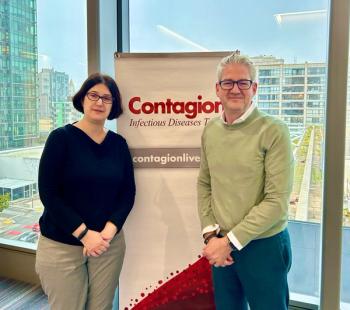
Phase 1 data on VH184, a third-generation integrase strand transfer inhibitor, and VH499, a novel HIV-1 capsid inhibitor, highlighting their antiviral potency, safety profiles, and potential for long-acting injectable formulations.

New data at CROI 2025 shows zero cases of HIV acquisition reported with Apretude (cabotegravir long-acting (CAB LA) for PrEP in varied clinical settings and populations in 2 implementation studies in the US and Brazil.