

Athena Hobbs, PharmD, BCIDP, looked at this issue through the lens of treating urinary tract infections.
Athena Hobbs, PharmD, BCIDP, looked at this issue through the lens of treating urinary tract infections.

In part 2 of the conversation, David Relman, MD, discusses the importance of the research and medical communities in shaping future work in this area as well as the potential severe consequences of Mirror Life in a worse case scenario.
David Relman, MD, discusses the theoretical issues of "mirror life," how the scientific community could potentially research natural chirality synthetic life, and how mirror molecules may be a way to extract beneficial research from the concept.
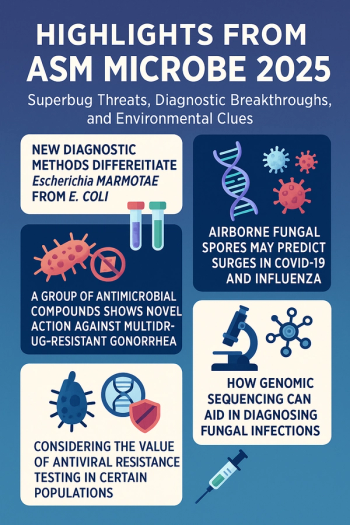
From predicting viral outbreaks via fungal spores and combating drug-resistant gonorrhea to advancing fungal detection through genomic sequencing and improving antiviral resistance testing for vulnerable patients, and more.

César de la Fuente, PhD, provides insights on the promising work of his lab as they accelerate the speed of finding new antimicrobial molecules.
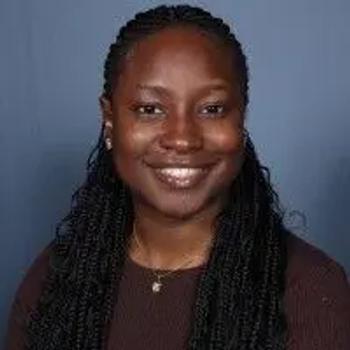
At ASM Microbe 2025, Pelumi Oladipo discusses E marmotae’s reduced motility, misidentification as E coli, and the diagnostic tools closing the gap.
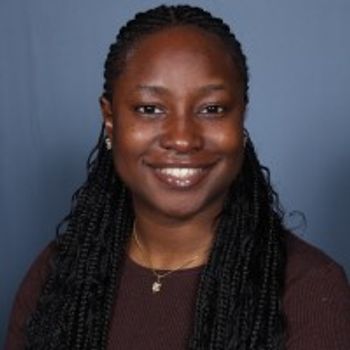
Presented at ASM Microbe, Pelumi Oladipo's study identifies the first North American human case of E marmotae infection and introduces methods to improve species-level diagnosis.
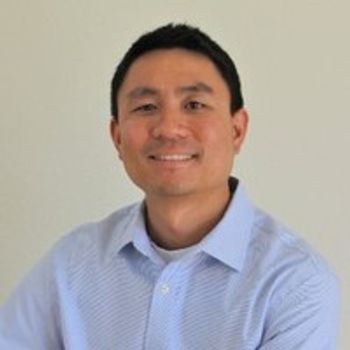
Shaun Yang, PhD, D(ABMM), FIDSA, MLS(ASCP) talks about how his team developed a test to identify fungi, and how they utilize it to diagnose, make treatment adjustments, and rule out hospital acquired infections.

Margie Lee, DVM, MS, PhD, wants young researchers and providers to know that despite the current environment, this is not the first time science has had to deal with a challenges to research and funding.

Luisa M Stamm, MD, PhD, further discusses MK-8527 and islatravir-based regimens in HIV research.
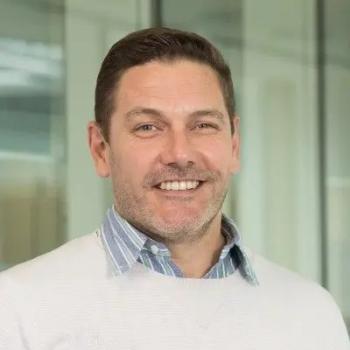
At IAS 2025, ViiV’s Jean van Wyk, MBChB, MFPM, shares how real-world data and patient priorities are guiding a new era of HIV care.

At IAS 2025, Luisa Stamm, MD, PhD, explains the NRTTI’s mechanism, study setup, and key data on HIV prevention efforts.
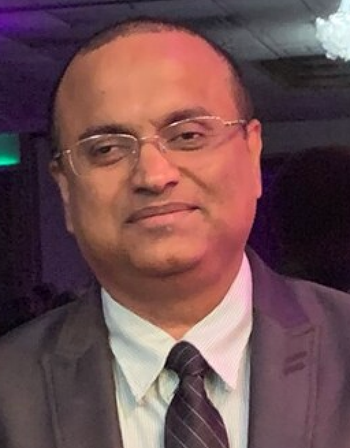
TAXIS Pharmaceuticals Chief Scientific Officer Ajit Parhi, PhD, discusses dihydrofolate reductase inhibitors as a novel approach to combat resistant Neisseria gonorrhoeae.
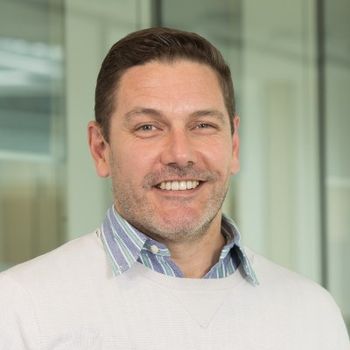
At IAS 2025, the VOLITION and OPERA study data show patient preference and real-world use of injectable CAB + RPV LA, informing the treatment strategy of ViiV CMO Jean van Wyk.

Quality improvement initiative at Henry Ford Health demonstrates streamlined workflow, rapid prior authorization, and low patient copayments; highlights opportunities for enhanced pharmacist involvement and education.

More than 80% of patients had drug-related problems, highlighting the need for inpatient antiretroviral stewardship.
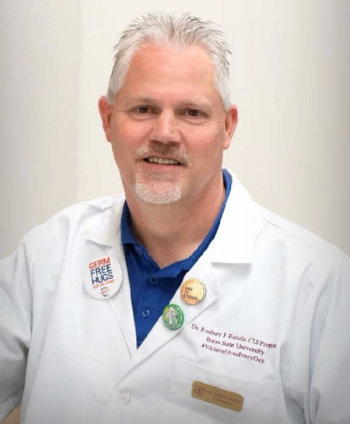
Rodney Rohde, PhD, SM(ASCP), SVCM, MBCM, FACSc, discusses the ongoing concerns about the federal government’s hold on funding for research and the potential chilling effect that it may have on laboratory professionals and deciding on careers, especially in areas such as public health. He also talks about locating and engaging in potential alternative resources for research funding.
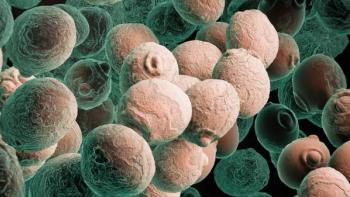
At ASM Microbe 2025, a Puerto Rico study linked increased fungal spore concentrations to rises in viral respiratory infections, suggesting potential early warning utility.
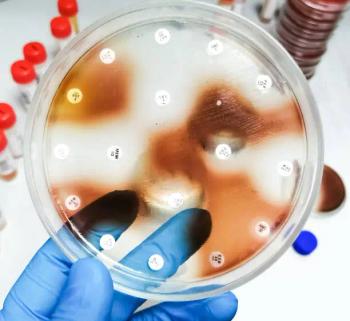
At ASM Microbe 2025, a cross-sectional study highlighted Burkholderia cepacia dominance, widespread antibiotic resistance, and key risk factors, including invasive device use and patient demographics.

At the ASM Microbe conference, Mike Bromley, PhD, offers some insights on the importance of a One Health approach addressing the growing antifungal resistance to azoles and Aspergillus fumigatus because of the connection between crop spraying and the rise of resistance.

At ASM Microbe 2025, researchers underscored the role of NAAT in outpatient CDI diagnosis and raised concerns over PPI-related risk in older, health care–associated cases.

A study presented at ASM Microbe 2025 questions the clinical value of adding enzyme immunoassays to PCR-based CDI diagnostics amid sensitivity concerns.

Presented at ASM Microbe 2025, a bioinformatics study highlights 9 human miRNAs capable of binding and potentially inhibiting both hepatitis C and bovine viral diarrhea viruses.
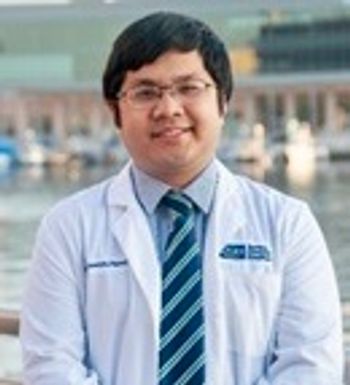
Presented at MAD-ID 2025, Natt Patimavirujh, PharmD, supports fidaxomicin over vancomycin for high-risk groups, including transplant and chemotherapy patients.
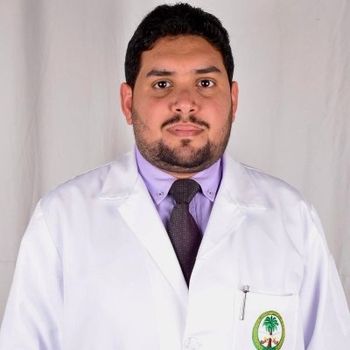
Presented at MAD-ID by Mohammed Al Musawa, PharmD, BCIDP, the study found lower clinical success with imipenem-cilastatin-relebactam in obese patients, raising questions about dosing strategies.
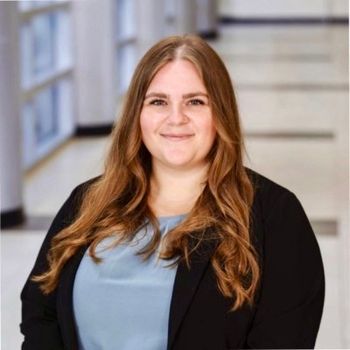
At MAD-ID, Alyssa Cox, PharmD, showed fidaxomicin reduces 90-day recurrence by 68.3% versus vancomycin, with rates of 7.9% vs. 19% in 176 hospitalized patients.

At MAD-ID, Jose Alexander, MD, reports 98% susceptibility in ESBL E coli and 76% in K pneumoniae, underscoring the need for species-specific testing.

At MAD-ID 2025, Tiffany Lee, PharmD, presents multi-center findings showing no increase in AKI with higher initial dosing.
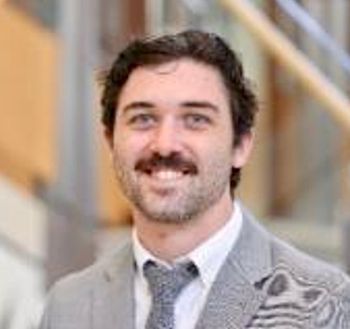
At MAD-ID 2025, William R Mikesell, PharmD, presented data showing 20% vs 16% treatment failure rates in doxycycline and minocycline groups.

Christina Lee, PharmD, and Julia Donahue, PharmD, analyzed 533 encounters revealing a 27.1% readmission rate in immunocompromised patients versus 14.1% in non-immunocompromised patients.