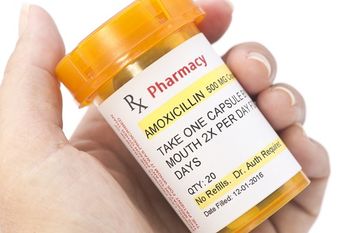
Jason C. Gallagher, PharmD, addresses the undetermined importance of fixed antibiotic durations.
Jason C. Gallagher, PharmD, addresses the undetermined importance of fixed antibiotic durations.

Candida auris—Are we prepared for another multidrug-resistant pathogen?
This training will empower pharmacists practicing in LTC facilities to develop antimicrobial stewardship programs, improve patient outcomes related to infectious diseases, and facilitate compliance with CMS requirements.
With IV drug use accounting for 60% of new infections, treatment for individuals in this population is necessary to stave off new infections.
Care continues to improve; however, drug-resistant pathogens and a lack of new agents to treat these infections remain a constant challenge.

Conan MacDougall, PharmD, explains how practitioners can adopt antibiotic stewardship interventions that will be beneficial to their specific practice settings.
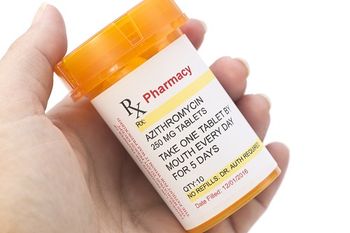
Recent research shows no clinical benefits from adding azithromycin to standard treatment for adults who presented to emergency departments with acute asthma exacerbations requiring a corticosteroid course.

James S. Lewis, PharmD, FIDSA, explains why antimicrobial susceptibility testing is so important when it comes to stewardship programs.
Milena McLaughlin, PharmD, MSc, explains the main causes of antimicrobial shortages.
What can healthcare providers do to stop these infections before they start?
Contagion® Editorial Advisory Board member, Khalid Eljaaly, PharmD, BCPS, CAPP, discusses key updates in the Infectious Diseases Society of America and the American Thoracic Society recommendations.
Experts weigh in on what Congress is doing to tackle the threat of antibiotic resistance.
Emily Heil, PharmD, BCPS-AQ ID, assistant professor at the University of Maryland School of Pharmacy, explains why stewards should think outside of the box when coming up with interventions to include in an antimicrobial stewardship program.
Pharmacists play vital roles in optimizing HIV treatment outcomes in multiple ways and in all medical settings.
As we await novel compounds from a relatively apathetic industry, we are resurrecting antibiotics of which we have an outdated understanding. and that carry the potential for substantial side effects: polymyxins.
A new agent in the antibiotic pipeline, cefiderocol, has proved to be effective against complicated urinary tract infections (UTIs).
Over-the-counter diagnostic tests for Chlamydia trachomatis, Neisseria gonorrhoeae, and pathogens associated with upper respiratory tract infections such as influenza and Group A Streptococcus may soon gain approval; however, making these tests immediately available to the public would not be without challenges.

Emily Heil, PharmD, BCPS-AQ ID, assistant professor at the University of Maryland School of Pharmacy, discusses how a new partnership between pharmacists and veterinarians will impact antimicrobial resistance.

John Mohr, PharmD, president and founder of Medical Affairs Strategic Solutions, LLC, outlines factors that contribute to antimicrobial resistance and strategies to combat this threat.

Emily Heil, PharmD, BCPS-AQ ID, assistant professor at the University of Maryland School of Pharmacy, discusses how pharmacists can help decrease antibiotic use in agriculture animals.

Emily Heil, PharmD, BCPS-AQ ID, assistant professor at the University of Maryland School of Pharmacy, explains how the FDA Guidance 213 and the Veterinary Feed Directive will change the use of antibiotics for growth promotion purposes in the United States.

Monica Mahoney, PharmD, BCPS-AQ ID, clinical pharmacy coordinator of infectious diseases at Beth Israel Deaconess Medical Center, discusses how collaboration with transplant counterparts is needed to provide optimal treatment.