

Blood-Borne Diseases
Latest News
Advertisement
Latest Videos




























































































Advertisement
More News
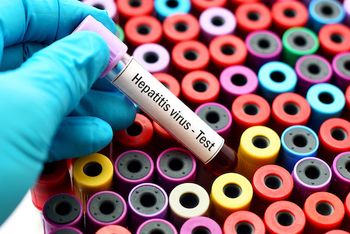
PWID are unlikely to receive testing for HIV and hepatitis C, according to a new study that found that 8.5% were tested for HIV and 7.7% were tested for HCV within 1 year of a clinical encounter consistent with injection drug use.
The International Health Regulations Emergency Committee decided today that the Ebola outbreak in the Democratic Republic of the Congo remains a PHEIC.
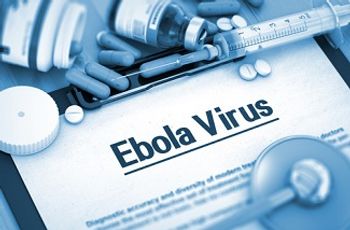
A new article examines pregnancy outcomes among women who received the rVSV-ZEBOV vaccine in the STRIVE study.

Despite new treatment options with a lower theoretical risk, approximately 40% of patients with HCV experienced a drug-drug interaction.

Andrea L. Cox, MD, PhD, comments on the future of HCV vaccine development efforts in light of the 2019 trial which did not prevent chronic infection.
In this episode, our guests compare the West African Ebola outbreak to the ongoing outbreak in the Democratic Republic of the Congo.

Andrea L. Cox, MD, PhD, discusses some of the challenges in developing a vaccine for hepatitis C and details the results of a vaccine trial.
Investigators of a new analysis detail how Ebola case definitions became increasingly complex and discordant during the 6-month period in the countries surrounding the DRC.
A literature meta-analysis determined the worldwide prevalence of hepatitis B virus in people living with HIV.

Ervebo has been approved for the prevention of Ebola virus disease, caused by Zaire ebolavirus in individuals 18 years of age and older.
Ebola vaccines could be given as an emergency intervention to individuals exposed to the virus.
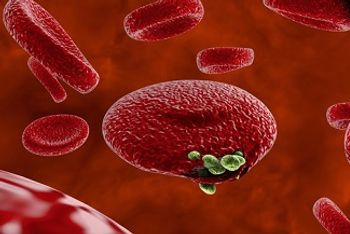
Observations about the body’s response to malaria infection can lead to new treatments for HIV and lupus, investigators believe.
An epidemiologist explores the changing epidemiology of a familiar disease.
The PALM trial evaluated the safety and efficacy of several experimental treatments for Ebola in the Democratic Republic of Congo.

TAF causes cholesterol levels to rise, but that includes levels of “good cholesterol” HDL. Researchers concluded that there is no significant difference in cardiovascular risk profiles between people taking TAF and those taking TDF.

Investigators now think that Ebola prevention methods should be a top priority moving forward.

Prequalification status indicates that the vaccine meets the WHO’s standard for efficacy, safety, and quality.
Since 2014 NYC Health + Hospitals has worked to maintain preparedness against diseases like Ebola.
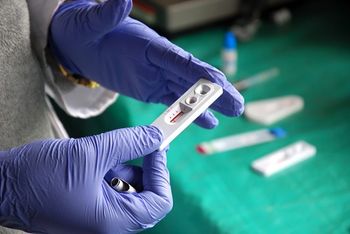
Blood sample testing in African countries using rapid tests is a mixed message. Accuracy in HIV improved, but accuracy in hepatitis B and C testing did not.
Results from a study at a Cincinnati hospital point to the importance of testing at-risk infants for HCV as the opioid crisis impacts prevalence of the infection.
Leaders from the WHO and various impacted countries met to assess the risks of the Ebola outbreak in the Democratic Republic of the Congo and the future of the outbreak response.
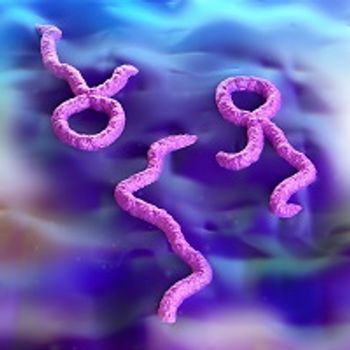
Scientists from the National Institutes of Health are hopeful that diluting a dose of the VSV vaccine could be efficacious and stretch vaccine supplies even further.
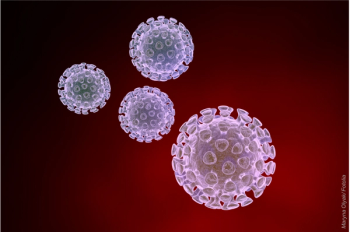
Although the overall mortality rate for HCV has declined, clinicians will have to focus on individuated factors to address lingering barriers.
A patient was evaluated for Ebola in a Swedish hospital. Here's what we should take away from it.
One promising proposal to greatly increase access to DAA HCV therapy is to keep this treatment with appropriately trained PCPs, in contrast with referring patients to infectious disease, gastroenterology, or hepatology subspecialists.
Advertisement
Advertisement
Trending on Contagion Live
1
US Company Recalls Thousands of Pounds of Uninspected Meat
2
Carbapenem-Sparing Therapy for ESBL Bacteremia: New Trials, Old Questions
3
Measles Update: September 25, 2026
4
How The Food Safety Surveillance Infrastructure Works in the US
5