





Blood-Borne Diseases
Latest News
Advertisement
Video Series





Latest Videos






Shorts
0:55
Early Aggressive Supportive Care Is Key to Surviving Ebola Infection
18 days ago
by
Gavin H. Harris, MD(+1 more)

1:28
Can Monoclonal Antibodies Change Sudan Ebolavirus Treatment?
a month ago
by
Gavin H. Harris, MD(+1 more)
0:26
FDA Approves Bulevirtide
4 months ago
by
Anu Osinusi, MD(+1 more)
0:47
Approved Hepatitis D Therapy Marks Turning Point
4 months ago
by
Anu Osinusi, MD(+1 more)
Podcasts






























































































































































Advertisement
More News
A study in the American Journal of Physiology identifies retrotrapezoid nucleus (RTN) neurons as a critical and preserved circuit for counteracting opioid-induced respiratory depression, with optogenetic and chemogenetic stimulation of RTN neurons restoring breathing even during fentanyl administration.

The stark contrast between the rapid global response to the Andes virus exposure on a cruise ship and the slower, under-resourced response to the Bundibugyo Ebola outbreak in Central Africa highlights how global health inequities—and the disproportionate burden placed on women caregivers—shape infectious disease outcomes as much as the pathogens themselves.

Island Pharmaceuticals is leveraging the WHO's MEURI framework alongside the FDA Animal Rule pathway to evaluate investigational antiviral, galidesivir, during Africa's Bundibugyo Ebola outbreak while advancing regulatory development for a potential broad-spectrum filovirus therapy.
An investigational dual vaccine against Lassa fever and rabies demonstrates promise against priority target plaguing West Africa.
Traws is studying an oral combination antiviral for hantavirus and Ebola, but no animal or human efficacy data have been reported.

The FDA has approved bulevirtide-gmod (Hepcludex), the first approved US therapy for HDV with no prior treatment options.
A 6-year study in Liberia shows that Lassa fever is frequently missed in febrile patients, leading to preventable deaths and underscoring the urgent need for earlier diagnosis and improved testing.
The World Health Organization (WHO) is assisting Ethiopia with experts, supplies, and emergency funding as the country investigates eight suspected cases of viral hemorrhagic fever in the South Ethiopia region.

Biocontainment, including the most recent threat of highly pathogenic avian influenza, demands we continue to finance research, and continue cooperation with important organizations like the WHO.

In the third installment of our series on preparedness, Gavin Harris, MD, discusses the principles and challenges of biorisk management, focusing on infectious disease threats and containment strategies.

Promptly vaccinating the "ring" of contacts and contacts-of-contacts along with standard infection control measures interrupted Ebola transmission in the DRC.
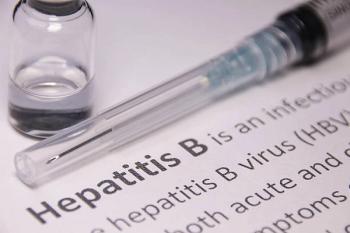
Shortage in hepatitis b virus (HBV) clinical trials within the WHO African region.

The federal government is working to provide greater access to testing and treatment.
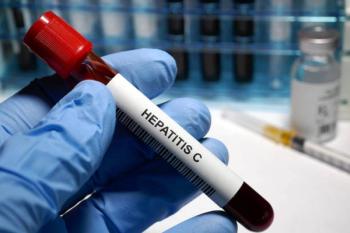
Accessibility to direct-acting antivirals affecting low and middle-income countries.

Study reveals HEV adaptation during treatment.

Sustained virologic response (SVR) and sociodemographic factors were found to be associated with long-term improvements in health-related quality of life in patients with hepatitis C (HCV).

People who inject drugs (PWID) are at a higher risk for hepatitis C and HIV. A new study examined point of care initiatives and how to better support this population with intervention efforts.

Changes encompass clarification of recommendations for scheduled vaccinations and the addition of the RSV vaccines for the first time.

A new study warns an increase in costs could lead to new infections.

Investigators examined data from the Global Burden of Disease, Injuries, and Risk Factors study 2019 to describe the global, regional, and national burden of liver cancer due to hepatitis C since 1990.

Statistically significant reductions in serum ferritin, transferrin saturation index, and iron levels were observed after treatment, with hyperferritinemia eradicated in nearly all patients treated with DAAs achieving SVR.

A clinician utilizes mobile clinics to bring a hybrid of primary and urgent care to marginalized populations and help people overcome barriers and gets them into the continuum of care.

Infants with HIV could be spared from requiring lifetime ART if treated within hours of birth to disrupt formation of HIV viral reservoirs.

The expanded indication to those with severe hepatic impairment has already been granted in the US and EU.
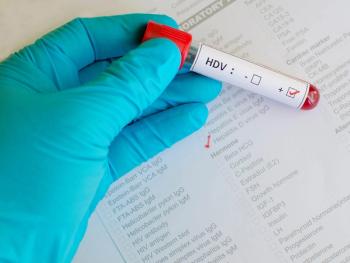
Several trial participants experienced concerning hepatobiliary events.
Advertisement
Advertisement