
































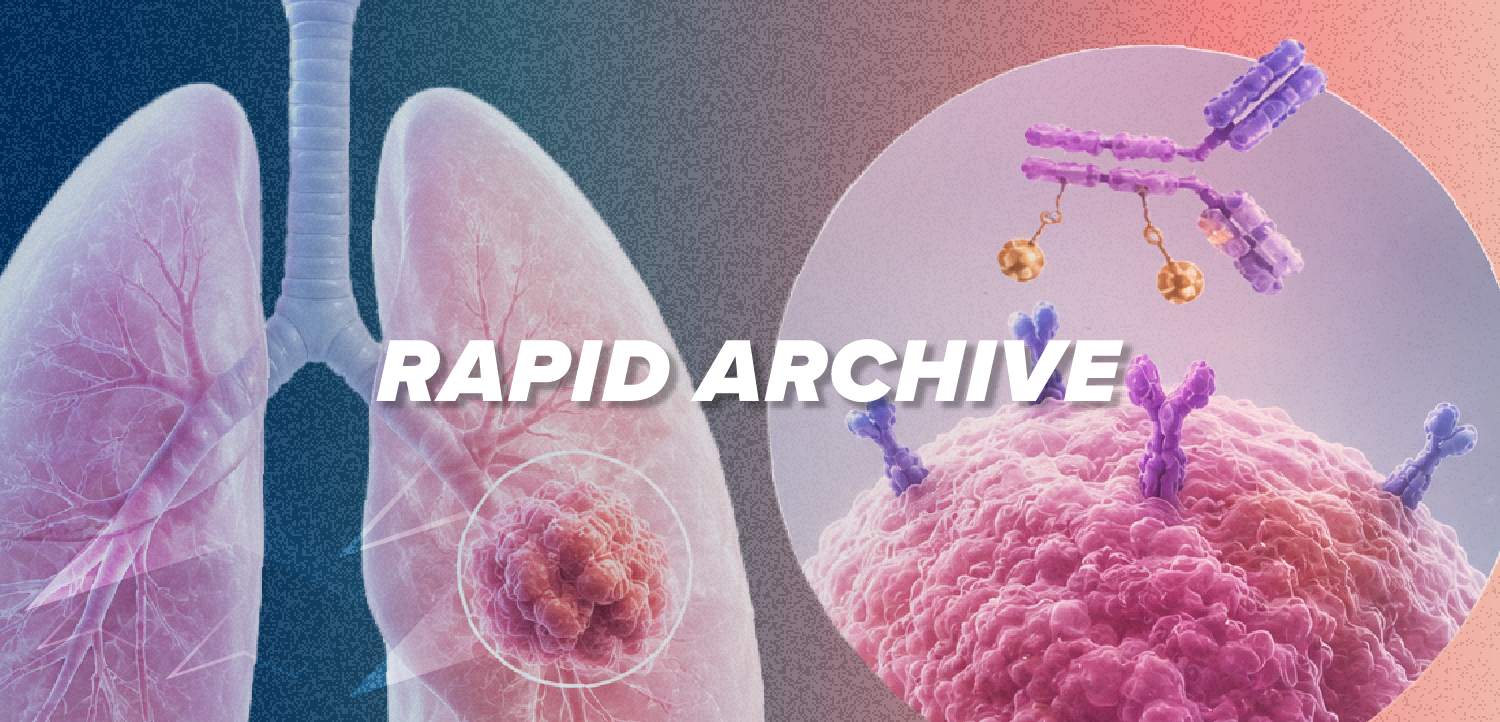















































































The results indicate a significant link between sepsis and 15 cancers in elderly patients.
The results indicate a significant link between sepsis and 15 cancers in elderly patients.

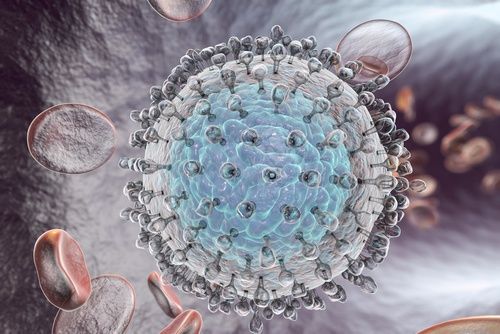
Hepatitis A outbreaks that have been crippling states across the nation since March of 2017 continue to wreak havoc in several cities.

There have been no confirmed cases of Ebola in the Democratic Republic of the Congo since June 6.

An increase in injection drug use in the United States has augmented the likelihood of acquiring HCV, particularly genotype 3.

The FDA seeks a permanent injunction against a company selling unapproved hand sanitizers that claim to be effective against infections from several pathogens.
Single-dose vaccines delivered via a new technology platform may offer full protection against Zika, Lassa fever, and Ebola.

Stay up-to-date on the latest infectious disease news by checking out our top 5 articles of the week.
The new guidelines include updates on HCV management and testing in pregnant women, individuals who inject drugs, men who have sex with men, and individuals who are incarcerated.
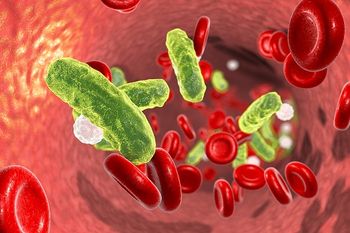
The FDA has provided marketing clearance for a device capable of detecting specific sepsis-causing bacterial pathogens directly from a whole blood specimen in about 5 hours.
A new study finds that some patients with sepsis who are discharged after initial treatment, and then seen through outpatient follow-up still have positive outcomes.
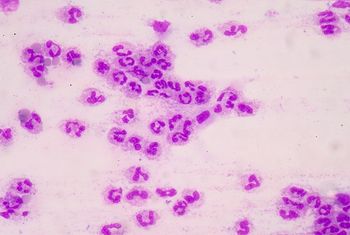
In sepsis patients undergoing CT imaging, contrast media administered intravenously does not significantly raise the risk of acute kidney infection.

In case you missed them, we've compiled the top five infectious disease articles from this past week.
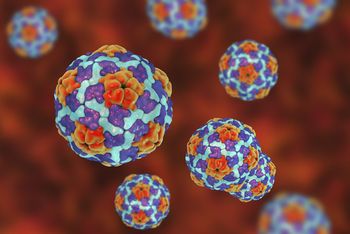
Two more states have reported hepatitis A outbreaks since our last update—here’s what you should know about them.
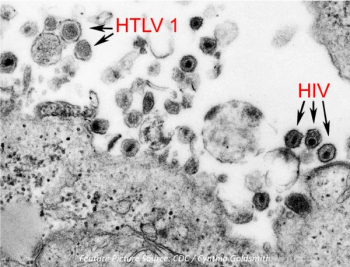
Rates of a lesser known virus related to HIV called HTLV-1 have surged in some of Australia’s Aboriginal communities, and now the country’s health officials are facing a global outcry to act.

A new report by Global Health Technologies Coalition assesses the economic impact of cuts to global health R&D on the economies of US states.

A recent study has found that a single-dose of Merck's Ebola vaccine delivers antibodies that can last for 1 to 2 years.
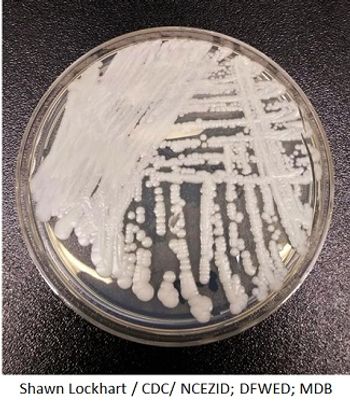
An outbreak of infections caused by the drug-resistant fungus, Candida auris, in one United Kingdom hospital has been linked to multi-use patient equipment.
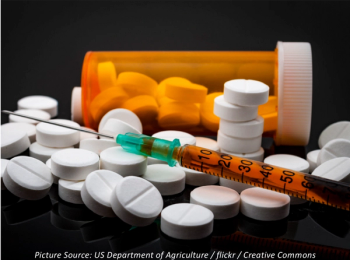
If there are controlled substances at your facility, diversion is happening. What can be done to prevent future events?
Researchers present preliminary case series of confirmed cases of hepatitis A virus at Detroit Medical Center as Michigan struggles with ongoing outbreak.
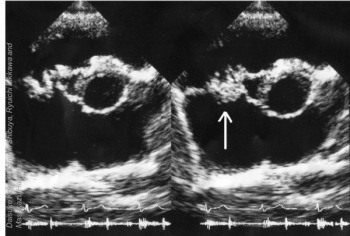
Infections associated with the ongoing opioid epidemic in the United States apparently know no bounds.
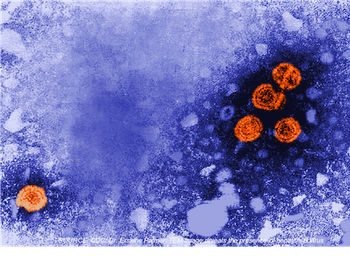
Researchers have identified the OX40 pathway as playing a key role in viral clearance.
Unique considerations are called for when caring for intravenous drug users with newly diagnosed HIV/HCV coinfections.

Invasive meningococcal disease doesn’t always present with the classic symptoms of stiff neck and headache—for a small subset of IMD patients, the abdomen is where the disease shows itself.

The risk comes after it was found that surgical instruments used for orthopedic and spine surgeries were not cleaned properly and consequently, the sterilization of those instruments was compromised.

The program can detect viral hemorrhagic fevers about 12 days faster than previous efforts.