

Blood-Borne Diseases
Latest News
Advertisement
Latest Videos









CME Content


































































































































Advertisement
More News
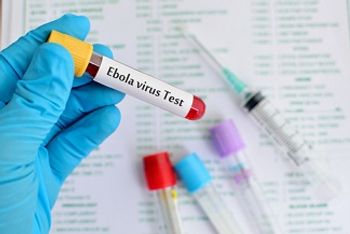
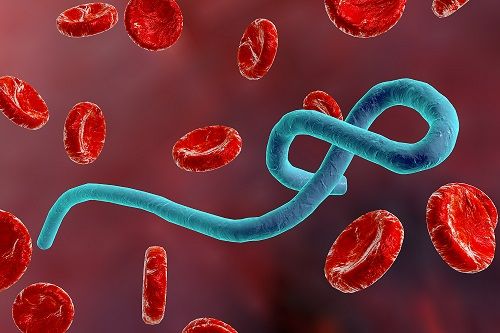
This case is the first confirmed case of Ebola that Uganda has detected during the ongoing outbreak in the neighboring Democratic Republic of the Congo.
As the DRC records 2000 cases of Ebola, Contagion® spoke with Krutika Kuppalli, MD, about how this outbreak is unique and whether there is an end in sight.

Meeting goals to eliminate HIV, viral hepatitis, and sexually transmitted infections by 2030 will require accelerated efforts, according to a progress report from the WHO.
The state will allocate an additional $650,000 that will be divided up amongst areas of need.

Initiating a model that provides testing, treatment and linkage to care for HCV in correctional facilities would improve outcomes but requires a costly investment.

The latest on this ever-changing and complex outbreak.
A multifaceted intervention has tripled the rate of hepatitis C virus screening in a baby boomer population.
DONATE-HCV trial offers new hope to those on waiting lists for new hearts and/or lungs.

As Ebola case counts continue to climb in the ongoing outbreak, emergency preparedness simulations are underway in Uganda.
Designated frontline hospitals were expected to identify, isolate, and hold an Ebola patient for 12-24 hours, but an analysis cites gaps in biopreparedness in these facilities.
Ebola virus survivors experience ongoing symptoms following infection, and a new study tracks how those patients compare in health with close contacts who weren’t infected.
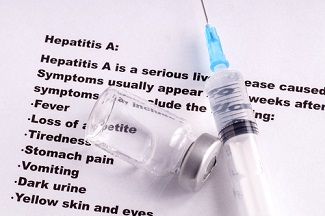
In May 2017, a case of hepatitis A was detected in a Salt Lake County hospital. Over the next 20 months, Utah health officials worked to address what ended up being the largest hepatitis A outbreak in the state’s history.

On any given day 590,000 individuals are incarcerated across the EU, yet surveillance and reporting for new infectious disease diagnoses are only required for tuberculosis.

Donald Jensen, MD, discusses the hepatitis A outbreaks that have been declared in 18 states since 2017, highlighting modes of transmission, vaccine recommendations, and the implications of co-infections.

Direct-acting antivirals are probably worth the price, but are there new ways to get them into patients’ hands?
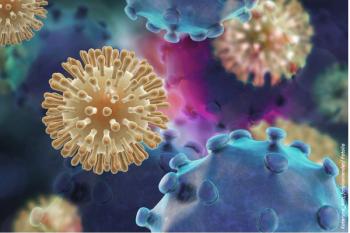
A London study shows that men infected with HIV are acquiring HCV at much lower levels than before.

The first study to evaluate the cost-effectiveness of hepatitis C virus (HCV) screening among pregnant women in the US in the era of direct-acting antiviral (DAA) treatment demonstrates that it would be "highly" cost effective, even in states with low HCV prevalence.
Violence in the Democratic Republic of Congo has complicated public health efforts and overshadowed strides made in the response to the Ebola outbreak there.

UK study in Addiction identifies benefits for controversial programs proposed as a solution for the ongoing opioid crisis.

A new study reports that many health care workers had the ability to neutralize the Ebola virus, despite never exhibiting symptoms of infection.

Investigators have detected the presence of Ebola in a bat in Liberia, revealing more about how bats serve as reservoirs for the deadly pathogen.
A new analysis sheds light on what is needed to hit this benchmark.
Women living in or traveling to Africa and the Middle East should take precautions and avoid contact with mosquitoes and livestock.
Melvin Weinstein MD, discusses the emerging technologies that will advance the field of blood culture testing.
Kenneth Sherman, MD, discusses hepatitis B infections in immunocompromised patients and what clinicians should expect to see in the future for hepatitis B treatment.
Advertisement
Advertisement
Trending on Contagion Live
1
Ebola Outbreak Climbs to 11,645 Cases as Deaths Near 5700
2
Measles Update: November 20, 2026
3
Avoiding Measles During Pregnancy: A Fetal Specialist Offers Clinical Considerations
4
EU Approves Sanofi's Rabies Vaccine VaxRabeo for All Age Groups
5