


Blood-Borne Diseases
Latest News

Advertisement
Latest Videos







































































































































Advertisement
More News

Sixteen WHO health workers have been evacuated from the epicenter of the outbreak following an attack on their residence.
A new approach to hepatitis C virus infection treatment could shave time and costs off the current standard regimen.
The current Ebola outbreak in the Democratic Republic of Congo has surpassed 300 cases and international health officials are now questioning if it is capable of being controlled.
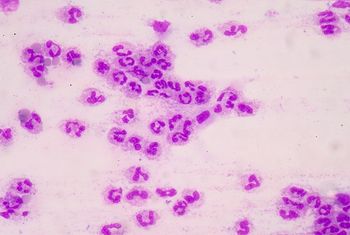
Building on decades-old research, scientists in France say they’ve developed an effective rectal delivery formulation of an antibiotic used to save infants with life-threatening neonatal sepsis.

The new epicenter of the outbreak is the Beni Health Zone in which 66% of the new cases have been reported since September.
Kenneth E. Sherman, MD discusses the zoonotic hepatitis E virus and about the first reported case of rat-to-human transmission.

Mary Choi, MD, MPH, discusses the progress made in treating and preventing Ebola and the challenges of fighting the community resistance of the Congolese.

In September 2017, a patient in Hong Kong was diagnosed with rat hepatitis E virus after inflammation of the liver was observed.

In case you missed them, we've compiled the top five infectious disease articles from this past week.

Using an algorithm to determine course of treatment shortened antibiotic use by 2 days for patients with uncomplicated staphylococcal bacteremia infections.

Hepatitis A outbreaks are active in 13 states across the United States, yet vaccination is required in only a fraction of them.
Global health officials are concerned about the potential consequences of the disruption to Ebola surveillance in the DRC outbreak caused by civil unrest.

A recent study by the Kirby Institute reported that after using direct-acting antiviral therapy 97% of participants with HCV who recently used injectable drugs achieved sustained viral response.

The FDA has approved Grifols’ new formulation of immune globulin (GamaSTAN) for hepatitis A virus and measles post-exposure prophylaxis.
Ebola is not the only infectious disease that health officials in the Democratic Republic of the Congo are struggling with.

Stay up-to-date on the latest infectious disease news by checking out our top 5 articles of the week.
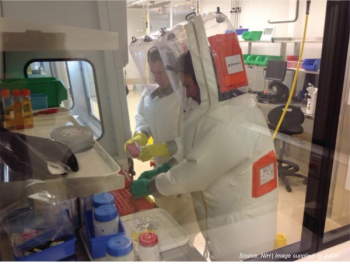
The National Emerging Infectious Disease Laboratories at Boston University have the latest equipment, security redundancies, and airtight procedures and protocols. Yet, as they begin work on Ebola and Marburg, they cannot eliminate the risk of human error.
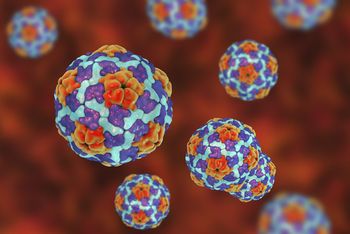
West Virginia’s Bureau for Public Health has requested the assistance from the CDC to contain the statewide hepatitis A outbreak.
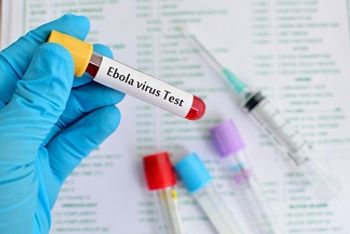
The Democratic of the Congo Ministry of Health has authorized the use of 5 experimental Ebola treatments as more than 100 cases of Ebola are reported.
New research from Johns Hopkins reveals that 2 genes, CMPK2 and BCLG, are selectively activated in the presence of type 1 interferon.

A 2-week old Ebola outbreak in the DRC has already surpassed the previous outbreak

Small studies show good outcomes for previously uninfected recipients who receive kidneys from donors infected with hepatitis.
The combination of direct-acting antiviral agents glecaprevir/pibrentasvir (G/P), sofosbuvir, and ribavirin is now approved for new patient populations.
New cases of Ebola were confirmed in the North Kivu Province, just 1 week after the outbreak in the Equator Province ended.
Since August of 2017, there have been 1,170 cases of hepatitis A in Kentucky, resulting in 658 hospitalizations and 8 deaths.
Advertisement
Advertisement