













































































































The agency warns SARS-CoV-2 mutations can trigger potential false negative results in molecular tests.
The agency warns SARS-CoV-2 mutations can trigger potential false negative results in molecular tests.
The international organization offers guidance on various groups and if they should be consider getting the vaccine.
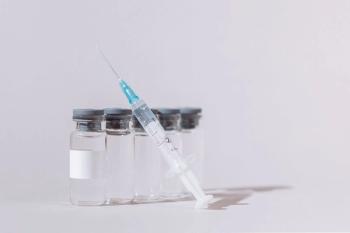
A group of governors penned a letter to Health and Human Services pressing the government to distribute reserved doses.

Findings run counter to positive media coverage of Merkel, Ardern, and others.

In vitro data suggest the more transmissible mutations of the virus are nonetheless prevented by the mRNA vaccine.
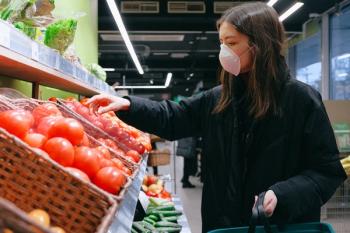
Immune memory against the virus is also potential good news for vaccine developers.
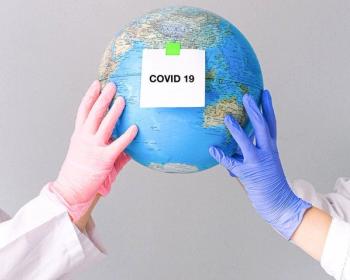
GeoMEDD enhances investigation in near real-time and in the context of health system operations to a dynamic situation.
The federal agency announces that of nearly 2 million vaccinations, only 21 total cases of severe reactions took place.
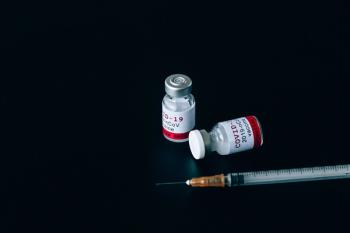
Chinese company’s investigational vaccine reported to be 78% effective.
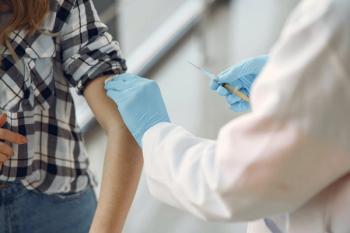
European Medicines Agency exercises its option for increasing the confirmed order commitment by 80 million doses, bringing total to 160 million.
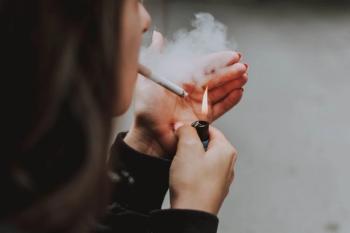
Tobacco smokers are at a significant risk for both viral and bacterial infections of the respiratory system.
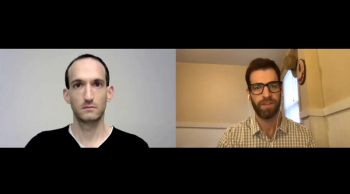
Discussing how the approval process was different for COVID-19 vaccines and why it was safe.
This therapy showed a 48% reduction in severe respiratory disease.
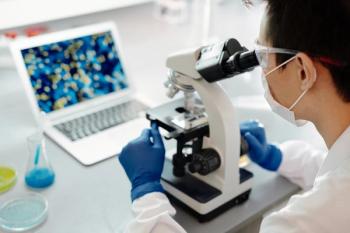
Prior to public vaccination, a rapid and accurate COVID-19 antibody test will help determine the presence of neutralizing antibodies.
The Alzheimer's Association is funding the work of a consortium of experts from more than 30 countries.
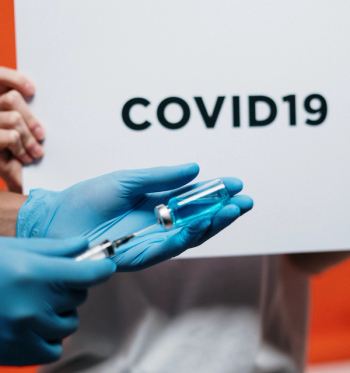
Allergists offer risk stratification approach to avoid rare allergic reaction to COVID-19 vaccines
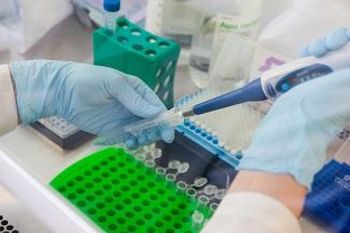
The US and the world must appreciate the role of the pharmaceutical industry—the investigators, physicians and business leaders—who are rescuing the world from COVID-19. It’s the medical breakthrough of our lifetime.
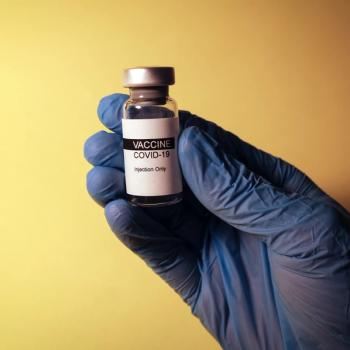
In the first week of 2021, the US is currently leading all countries in total vaccine administrations, despite state-level distribution setbacks.
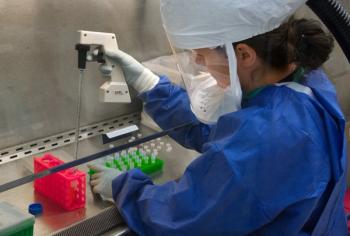
The findings have important implications for studies in other diseases such as Type 1 diabetes.
Early data reported a disproportionate impact of death rates and infection rates in Black, Native American, and Latinx communities.
Observing infections in non-human primates can help to expedite therapeutics and vaccines for COVID-19.
A discussion around the relatively shocking effect of the virus on infants, and what's needed in long-term assessment of the patient group.
From vaccine studies to reopening institutions, pooled testing may be a hugely beneficial tool.
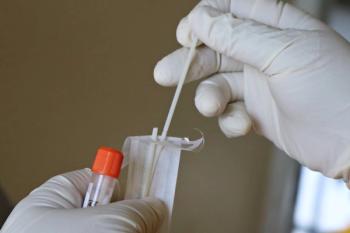
Information gained has potential to contribute to future treatments for COVID-19 and other diseases
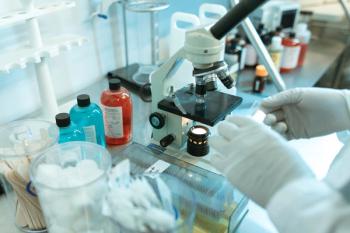
The virus may have been cleared by the time of death or viral copy numbers were below the level of detection.