












































































































































Drawing parallels between liver health and everyday choices, such as diet, alcohol consumption, and drug use, can help individuals take responsibility for their actions and their overall well-being.
Drawing parallels between liver health and everyday choices, such as diet, alcohol consumption, and drug use, can help individuals take responsibility for their actions and their overall well-being.
Learning about these barriers is the first step to overcoming them.
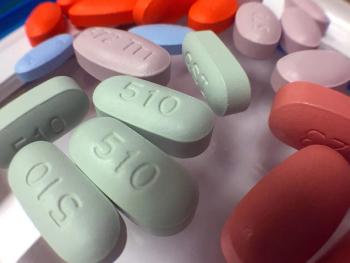
Emergency departments (EDs) are an important entry point into the health care system and have been identified as a location with opportunity for increased HIV diagnosis and management.

Interaction with providers increased testing but did not translate to treatment initiation.
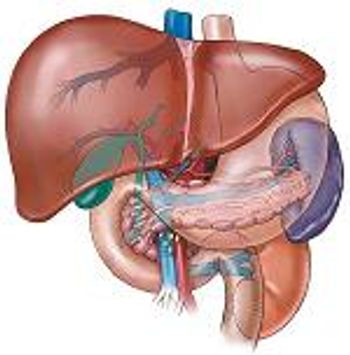
With increased neutrophils during alcohol-related hepatitis, patients experience an increased risk of infection due to the impaired function of the neutrophils. A new study looks to uncover the mechanisms for which this hepatitis impacts the body.

This week's news included a new study that showed the association with Epstein-Barr virus reactivation and sets the need for an antiviral clinical trial with cardiopulmonary exercise testing as an endpoint; a clinician weighs in on the limited use of novel, gram-negative antibiotics; and the discussion around increasing hepatitis C testing for the pediatric population.

The antiretroviral, lenacapavir (Sunlenca 463.5 mg/1.5 mL injection), had reported resistance in only a minority of study participants according to the latest findings released at a conference.

Despite hepatitis C (HCV) incidence rates increasing, adequate screening for the virus continues to be a pressing challenge for public health officials.

A study reported at IDWeek looked at this population and found gaps in testing.

The companies' initial focus will be around Assembly’s established areas of development including hepatitis B and D, as well as herpesviruses.
There is a lack of information and teaching going on with this significant, but "silent" organ.
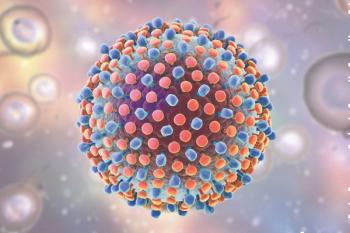
With its Cherokee Nation Hepatitis C Elimination program, they have worked diligently to increase screening and get people into the continuum of care.
A study highlights that viral infections can accelerate the progression of NAFLD to more severe conditions like non-alcoholic steatohepatitis (NASH) and fibrosis, emphasizing the importance of recognizing these complex relationships.

This action paves the way for this long-acting injectable to be used in several countries on the European continent.
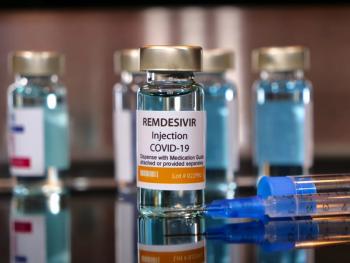
The expanded indication to those with severe hepatic impairment has already been granted in the US and EU.
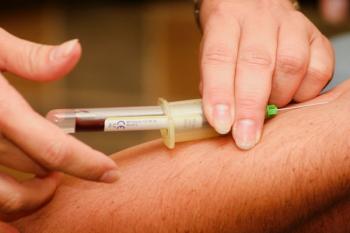
Review of hepatitis D virus describes “unique” biologic characteristics and “ominous” medical effect, but constrained as HBV treatments affect HDV life cycle.
Vaccitech is using a novel approach to address the virus and create a functional cure.

Long-term follow-up of DAA treatment of HCV infection after liver transplant shows persistent improvement in hepatic function, fibrosis, and survival rate.
There are a number of innovative, virus-targeting agents in development to treat hepatitis C (HCV) and prevent the virus.

Hurricane season is accompanied by an uptick in infectious diseases associated with environmental and water exposures.
A study found variations in treatment initiation, especially showing differences within certain populations, ages, and those with a background of injection drug use.
In this week's news: A CDC committee recommends the updated COVID-19 vaccines; the cost of misinformation during the pandemic; and India is dealing with a Nipah virus outbreak.
A global review demonstrates the potential depth of the impact of the COVID-19 pandemic on ongoing immunization delay and skepticism.
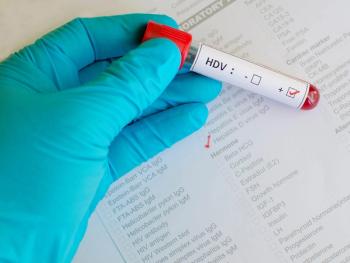
Several trial participants experienced concerning hepatobiliary events.
The federal agency’s reports shows decreases in both hepatitis A and B, but hepatitis C saw a significant increase during 2021. However, the investigators note the pandemic may have impacted statistics and progress towards goals.