











































































































































A new study finds that patients with heart failure, obesity, are at increased risk of failing oral antibiotic therapy for skin and soft tissue infections.
A new study finds that patients with heart failure, obesity, are at increased risk of failing oral antibiotic therapy for skin and soft tissue infections.

The first international Open Science Prize has been awarded to Fred Hutchinson Cancer Research Center and University of Basel researchers for a software tool that is capable of tracking viral disease outbreaks.

CDC researchers found that not only is the proportion of US food that is imported is increasing, but the number of food-borne disease outbreaks associated with imported foods is also increasing.

A study suggests that heavy drinkers receiving treatment injections for their condition may be more susceptible to acquiring an antibiotic-resistant infection with Anaerobiospirillum succiniciproducens, which can be fatal.

CDC researchers examine STD services and confidentiality issues among individuals between 15 and 25 years of age and find that not spending time alone with a healthcare provider, without a parent in the room, may limit use of STD services for some youths.

On March 5, 2017, at the 2017 Annual Meeting of the American Academy of Allergy, Asthma & Immunology (AAAAI) in Atlanta, Georgia, researchers from Rush University presented findings on the efficacy of a new guideline, which aimed to detect whether self-reported beta-lactam allergies were, in essence, unpleasant side-effects to the drugs.

This week’s public health news watch focuses on the President Donald Trump’s nomination of Scott Gottlieb, MD, as the next commissioner of the US Food and Drug Administration.

Studies show that there are about 69 factors that affect gut bacteria directly, including alcohol consumption and chocolate preference
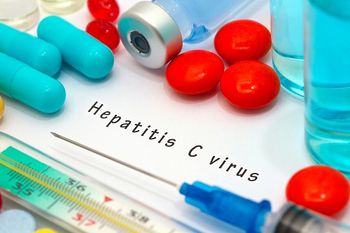
Hepatitis C virus is the world’s most prevalent blood-borne viral infection for which a vaccine does not exist. To eliminate HCV infection on a global scale, experts argue that vaccine development needs to become a public health priority.

In late February, the World Health Organization (WHO) released its first list of Priority Pathogens, for which research and development is strongly needed. Not included on the list is tuberculosis, which has been acknowledged as one of the leading killers around the world. Naturally, many individuals working in public health and infectious disease are objecting to the exclusion.

In case you missed them, here is a round-up of the top 5 articles for the week of March 5, 2017.

March 10, 2017 marks the 12th observance of National Women and Girls HIV/AIDS Awareness Day, a day that is dedicated to raising awareness about the impact of HIV/AIDS on women and girls and encouraging them to take action when it comes to preventing infection.

The new WHO list makes a clearcut line-up of offending organisms; however, the list is truly a call to arms for those hoping to prevent the antibiotic apocalypse.
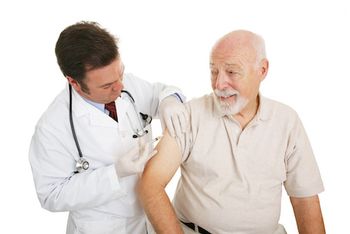
A high-dose flu vaccine may offer more protection to older adults during flu seasons in which Influenza A(N2N3) is circulating.

At the 2017 Annual Meeting of the American Academy of Allergy, Asthma & Immunology (AAAAI) in Atlanta, Georgia, researchers presented findings that suggested that a chlamydia vaccine, although costly, can avert significant morbidity.
From pets at home to SeaWorld's main attraction, the threat of antimicrobial resistance in domesticated animals is flying under the radar amid concerns for livestock and human resistance.

Penn State researchers have been granted $2.35 million to go towards finding a way of better predicting infectious disease outbreaks.

The Georgia Department of Public Health reports that the number of HIV infections in Georgia has dropped 6% each year from 2008 to 2014.
Romney Humphries, PhD, D(ABMM), section chief of Clinical Microbiology at the University of California, Los Angeles, sat down with Contagion™ to discuss antimicrobial susceptibility and resistance and new technologies in the field.

A phase 1 trial is being led by the National Institute of Allergy and Infectious Diseases to evaluate an investigational vaccine designed to provide broad protection against a range of mosquito-transmitted diseases.
Robin Jump, MD, PhD, assistant professor in the Department of Medicine at the Case Western Reserve University sat down with Contagion™ to discuss up-and-coming prevention methods for C. diff in the hospital setting.

NHL teams are taking extra precautions against mumps, as the highly contagious virus continues its spread from team-to-team in yet another outbreak.

Did you read this week’s top infectious disease news coverage from Contagion®?
More education on the illnesses individuals are risking by refusing vaccines may help to address the issue.

Brown University researchers propose thinking about pre-exposure prophylaxis (PrEP) as a nine-step continuum of preventive care, one that improves uptake and focuses on retention in care.