





































































































































The results of a new study show that taking antibiotics for traveler’s diarrhea could increase the risk of acquiring an extended-spectrum beta-lactamase-producing Enterobacteriaceae (ESBL) infection.
The results of a new study show that taking antibiotics for traveler’s diarrhea could increase the risk of acquiring an extended-spectrum beta-lactamase-producing Enterobacteriaceae (ESBL) infection.
The US Food and Drug Administration just announced that it is allowing the marketing of a new test kit for bloodstream infections.

As work with deadly pathogens becomes more advanced, are our biosecurity and biosafety practices regressing?
A survey spanning almost two decades shows a consistent increase in condom-less anal sex and number of sexual partners in MSM as many see antiretroviral therapy as a "protective back-up" measure to avoid HIV infection.

In order to ensure that vaccines reach those who need them the most, experts are proposing a global vaccine injury compensation system that would ensure their safety in the event of adverse reactions from vaccines developed on shortened timelines.
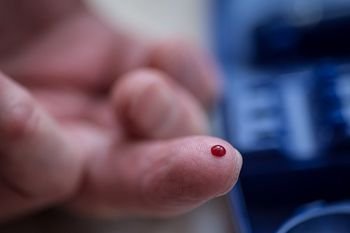
The European Union Horizon Prize was awarded to MINICARE HNL last week for a “finger prick test” that allows for rapid detection and diagnosis of bacterial infections in under ten minutes.

Purdue researchers use ANSYS simulation technology to map how the flu spreads on airplanes and use this information to make recommendations to the FAA on how to create a safer experience for airline passengers.

Recent studies suggest that post-operative prophylactic antibiotics following a C-section delivery may assist in the prevention of surgical site infections.
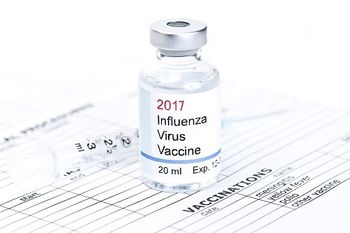
As the flu continues to spread across the country, resulting in additional hospitalizations and deaths, a new study reveals why receiving an annual flu shot might actually lead to lower vaccine effectiveness.

The Duke Human Vaccine Institute may have discovered an HIV-destroying antibody that is capable of neutralizing up to 99% of the virus, which would make it the most powerful one yet found.

This Valentine’s Day, be sure to remember these food safety tips to protect you and your loved one from any pesky food-borne illnesses.

Certain antibiotics can invade drug-resistant bacteria by using brute force at the surface level.

Researchers from the University of Georgia College of Veterinary Medicine are channeling their efforts into developing a flu vaccine that will last multiple years and protect against a number of viral subtypes.
Madeline King, PharmD, assistant professor of Clinical Pharmacy at the University of the Sciences, Philadelphia College of Pharmacy in Philadelphia, Pennsylvania, explains for which infections ceftazidime-avibactam is approved by the US Food and Drug Administration.

Growing issues and a controversial administration are bringing bioethics to the forefront of science and public health.

Researchers are expressing concern that funding for research climate-monitoring programs may not come through and that this would negatively impact the study of some infectious diseases.

The Los Angeles County Department of Public Health has recently reported that, last year, a local resident was found to have an antibiotic-resistant strain of Escherichia coli with the colistin resistance gene, MCR-1.

A new app developed by MIT Connection Science and sponsored by GlaxoSmithKline uses crowdsourced data to track the flu in real time.
Here are the changes that have been made to the 2017 immunization schedules, as reported in the CDC’s most recent MMWR.
The Michigan Department of Health and Human Services has reported an increased incidence of pertussis and is working with the Oakland County Health Division to work on ways to promote awareness of the issue.
UNAIDS calls for access to HPV educational materials as well as cervical cancer screening and treatment for HIV-positive women.
High flu activity and new pediatric flu-related deaths around the country lead some area schools to announce temporary closures in hopes of preventing further spread of the virus.

Researchers from Salk Institute make a surprising discovery regarding the link between sickness-induced behaviors, such as loss of appetite, and their role in how the body fights off infection.
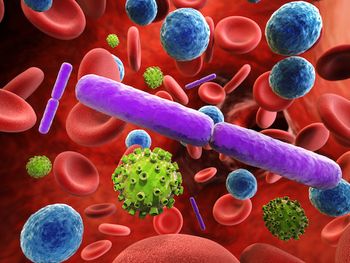
Contagion® is celebrating it’s one-year anniversary today, February 7, 2017. As we hit this milestone, we wanted to look back and remember the three articles that launched Contagion® on this day in 2016.
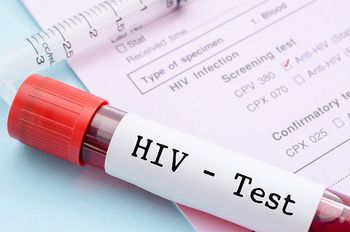
Johns Hopkins University researchers conducted a survey with the goal of finding out the prevalence of HIV testing among nonclinical community-based organizations in Baltimore, Maryland.