





Prevention
Latest News
Advertisement
Latest Videos

















































































































































Advertisement
More News

During a recent webcast lecture, Hana Golding, PhD from the US Food and Drug Administration described new ways to evaluate safety and effectiveness of vaccine adjuvants.

On March 30, 2017, at the SHEA Spring 2017 Conference, Thomas Sandora, MD, MPH, shared some tips regarding ways to manage movement outside of the room for patients who are on contact precautions.
Belinda Ostrowsky, MD, MPH, Health Systems Director of Epidemiology, Antimicrobial Stewardship & Infection Prevention, Montefiore Medical Center, and Associate Professor of Clinical Medicine, Division of Infectious Diseases, Department of Medicine, Albert Einstein College of Medicine, explains how to be more sensible when it comes to testing for Clostridium difficile.
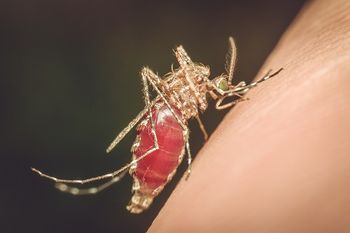
Health officials in Florida declare that they are better prepared for a potential outbreak in their state as Zika vaccinations have begun in a multi-site Phase II/IIb clinical trial of VRC705 in areas of endemic Zika transmission throughout the world.

On March 30, 2017, plenary speaker Matthew Kreuter, PhD, MPH, provided SHEA Spring 2017 Conference attendees with insight on how behavior change strategies play a part in infection prevention in hospital settings.
Snigdha Vallabhaneni, MD, MPH, Medical Epidemiologist, Mycotic Diseases Branch at the Centers for Disease Control and Prevention, discusses the threat that is Candida auris.

Nimalie Stone, MD, MS, Team Lead, LTC, Division of Healthcare Quality Promotion at the Centers for Disease Control and Prevention, explores the differences in infrastructure for clinical care and infection prevention in post–acute care and long-term care settings as compared to acute care hospitals.
Recent research has found that a surprising drug combo might be the key to fighting multidrug-resistant bacteria.

Nicola Thompson, PhD, Epidemiologist, Division of Healthcare Quality Promotion, Centers for Disease Control and Prevention, discusses the lack of data on the burden of healthcare-associated infections in US nursing homes.

Sara Cosgrove, MD, MS, current president of the Society for Healthcare Epidemiology of America (SHEA), painted a picture of the new landscape of antibiotic stewardship in the Opening Plenary of the 2017 SHEA Spring Conference held in St. Louis, Missouri.

Emily Heil, PharmD, BCPS-AQ ID, assistant professor at the University of Maryland School of Pharmacy, describes what the ideal antibiotic stewardship team would look like.

This week’s Public Health News Watch focuses on the repeal of the Affordable Care Act and how the opioid epidemic in the United States needs plays a pivotal role in any suggested replacements.

Although cases of influenza A are on the decline, a late season surge in influenza B cases are helping to extend flu season across parts of the United States.

Reports of serious consequences from severe streptococcal infections have caused fear among the general public, but is this fear warranted?

Contagion® will be covering the conference, and so keep a look out for session coverage, as well as interviews with some of the key presenters.

In case you missed them, our top 5 articles for the week of March 19, 2017 are highlighted here.
The results of a new study have revealed that older women and African Americans are less likely to get vaccinated against influenza.

A multi-institution research team has found that daptomycin is effective and well-tolerated in children.

As we reflect on the progress made in the fight against tuberculosis (TB), the Centers for Disease Control and Prevention stress that without actions to accelerate progress, the goal of eliminating TB in the United States by the end of the century will not be met.

A mumps outbreak that began in the country last fall is continuing across the United States. New research suggests that even small populations of unvaccinated individuals may be fueling the outbreak.

Researchers from the University of Oxford and Janssen Pharmaceuticals believe they have demonstrated an Ebola vaccine approach that fosters immunity for up to 1 year.

Harvard T. H. Chan School of Public Health researchers report that a new rotavirus vaccine was found to be 66.7% effective.

Duke Health researchers have found that a UVC machine use can reduce transmission of harmful superbugs in hospital settings.

Flu activity continues to drop across the country, but new outbreaks continue as health officials predict a flu season that could last until May in some areas.
This week’s Public Health News Watch focuses on recent claims in the media that the budget cuts proposed by the Trump administration will have a negative impact on healthcare outcomes and patient safety.
Advertisement
Advertisement
Trending on Contagion Live
1
CDC Tracking 4 Active Foodborne Outbreaks
2
IDSA/ESCMID Statement on Staphylococcus aureus: Follow-Up Blood Cultures
3
On World Rabies Day, When to Seek Treatment, Clinical Considerations for Post Exposure Prophylaxis
4
Measles Update: September 25, 2026
5