











































































































Is the US prepared for a pandemic? Signs and recent assessments suggest, no.
Is the US prepared for a pandemic? Signs and recent assessments suggest, no.

Close commercial ties between China and Africa have health officials keeping a close eye on possible importations of COVID-19.

Jason Gallagher, PharmD, discusses the risk factors for experiencing complications of influenza.

The CDC has taken a concerned tone about the coronavirus but notes risk to Americans is still low at present time.
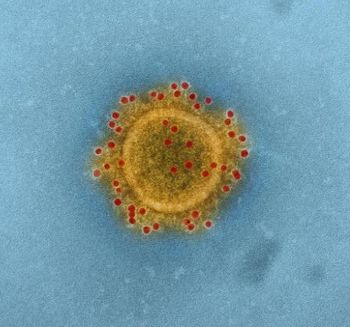
Public health officials have confirmed several fatalities linked to the novel coronavirus.
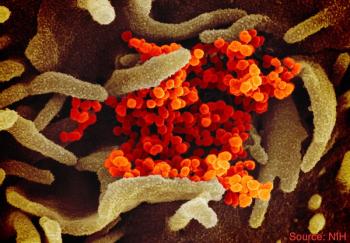
Health officials in King County, Washington, have confirmed a death linked to the novel coronavirus.

Preliminary evidence indicates no direct evidence for intrauterine transmission of the SARS-CoV-2 virus from pregnant women with COVID-19 to their infants.
In models of air transportation networks during the early stages of an outbreak, disease spread could be reduced by up to 38% with improved hand washing at 10 major airports.
The CDC has confirmed an infection with the virus that causes COVID-19 in California in a person who reportedly did not have relevant travel history or exposure to another known patient with COVID-19

Among a cohort of 9 pregnant women who developed COVID-19 pneumonia, there was no evidence of vertical transmission to infants.

Based on data from 4112 children and adults, vaccine effectiveness was estimated to be 37% against influenza A and 50% against influenza B viruses.

Progression to lower respiratory tract disease was associated with higher total antibiotic-days, use of antibiotics with broad anaerobic activity, and use of cephalosporins with limited anaerobic activity.






Investigators recently mapped out influenza and pneumonia cases among residents of long-term care facilities. They found distinct regional variations.

Studies have shown that human coronaviruses can survive for days on certain surfaces. What does this mean for infection prevention efforts?

A commentary agrees with World Health Organization recommendations against routine use of corticosteroids in treatment of COVID-19.
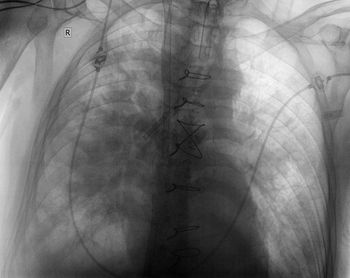
Social and biological factors increase the risk of respiratory failure and death in vulnerable pre-term infants, a new study shows.
In a scenario where health care preparedness is key, what are the best strategies for US hospitals to pursue?

There could be viable options within a few months, but will it be in time to contain an outbreak?
When using ceftolozane/ tazobactam to treat patients with P aeruginosa respiratory tract infections, the use of extended or continuous antibiotic infusion and/or combination therapy with other active antibiotic agents should be considered, particularly if targeting higher MIC values.

With cases of the novel coronavirus (COVID-19) increasing across the globe, why should we be paying attention to influenza—a respiratory illness that is seen year after year?