










































































































Respiratory Infections
Latest News
Advertisement
CME Content
Advertisement

NEJM study suggests testing everyone, regardless of symptoms, can reduce prevalence.

Helen Chu, MD, MPH, discussed the "Seattle Flu Study" with Contagion at IDWeek 2019.

The most common presentation for pediatric invasive aspergillosis patients was a pulmonary infection.

A new study delves into the debate of N95 respirators versus surgical masks for seasonal influenza and other respiratory illnesses.

Natural disasters like hurricanes can have implications for public health, including a heightened risk of infectious diseases.

As the summer comes to a close, our editorial team is looking back at the top FDA approvals of 2019 to date and looking ahead at what is left on the docket this year.
Investigators with Seqirus presented findings from a handful of studies on a MF59 adjuvanted influenza vaccine at the Options for the Control of Influenza (OPTIONS X) Conference in Singapore.

Two-thirds of patients hospitalized with pneumonia received an excess duration of antibiotic treatment, and the results can be detrimental.

Three children in US Customs and Border Protection custody have died since December 2018, partially due to influenza. Now, the infectious disease community is rallying for vaccination for migrants in detention facilities.
The HITS consortium provided a wealth of knowledge on infection prevention topics, but also served as an environment for frank and honest discussions regarding Legionella management.
A UK study details a new way to prevent Legionnaires' disease and save energy.

Leslie Tari, PhD, discusses the treatment and prevention of influenza.
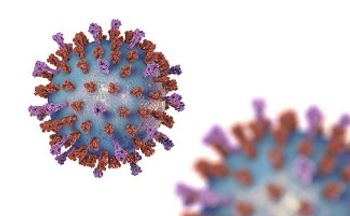
Investigators say that 12 weeks following vaccination neutralizing antibodies remained 5- to 10-fold above baseline levels in all vaccine dosage groups.

Marin Kollef, MD, discusses what makes the 3-gram dose regimen of ceftolozane/tazobactam unique.
The study found that two-thirds of patients receive excess antibiotic treatment and that every excess day increased a patient's risk of adverse events by 5%.

As injectable influenza vaccine doses from the 2018-19 season are set to expire on June 30, 2019, CDC investigators detail 192 cases of expired vaccine administration over the last year.
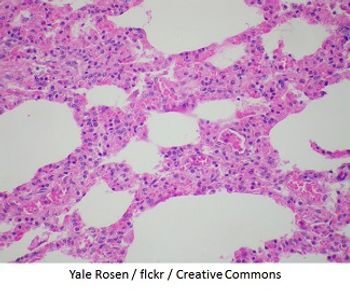
RSV is a pernicious pathogen that may spread easily among the homeless and possibly cause more severe disease.

Kaiser Permanente Northern California’s study shows that the pertussis vaccine weakens as time passes after a patient's most recent vaccination.
What happens when you get a virologist and a military historian together? New insight into an old pandemic.

Antibiotics and chest x-rays are routinely used to diagnose and treat pediatric CAP, despite guidelines advising the contrary.

At least 8 cases of Legionnaires’ disease have been confirmed in an outbreak within an Ohio hospital that just opened on April 28, 2019

In addition to cUTI and cIAI, ceftolozane/tazobactam (Zerbaxa) is now approved to treat hospital-acquired/ventilator-associated bacterial pneumonia.

According to the New Jersey Department of Health, there have been 22 confirmed cases of Legionnaires’ disease in individuals who reside in or visited Union County.

Long-term care facilities could reduce hospitalizations for pneumonia and influenza by hiring more registered nurses and licensed independent practitioners, increasing staffing hours, and employing higher quality care practices.
Advertisement
Advertisement