
Sexually Transmitted Diseases
Latest News
Advertisement
Latest Videos




















































































































































Advertisement
More News
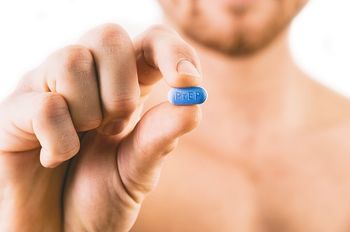
The likelihood of using PrEP is significantly influenced by recommendations from health care providers and concerns about side effects, according to a recent study of heterosexual individuals in Philadelphia.
Is there a cure? How long until we find it? And will it work for the majority of people living with HIV?
A team of investigators conducted 284 autopsies to determine Cryptococcus-associated mortality in 2 areas with a high HIV prevalence.

A recent study found that at the 18-month mark, PLWH on dolutegravir gained 6.0 kg compared with 2.6 kg for NNRTI (p

The adjusted odds for having oropharyngeal gonorrhea were 1.46-fold for men with ≥4 kissing-only partners and 1.81-fold for men with ≥4 kissing-with-sex partners.

Women are quite receptive to learning about PrEP in the right environment, but some providers have a long way to go in terms of education.
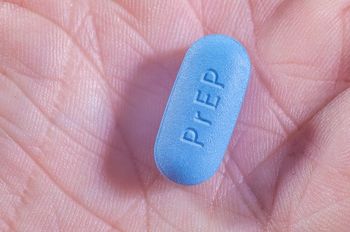
Agreement between Gilead and Trump administration promises more drugs for at-risk patients.
Following a rise in sexually transmitted infection diagnoses in recent years, NIAID is awarding grants for research into syphilis, gonorrhea, and chlamydia vaccine candidates.
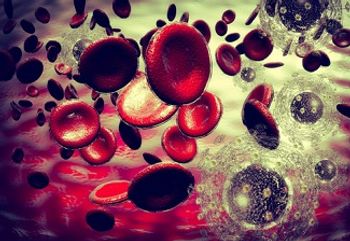
In a tiny number of cases, treating HIV with ART actually makes CD4+ T cell levels fall.

Compared with no pharmacist involvement, a greater number of appropriate antiretroviral regimens were initiated with partial pharmacist involvement (62% vs. 32%, p = 0.0096).
A survey of nearly 300 pharmacy students found that 91% were aware of PrEP and 61% reported high familiarity with PrEP prescription guidelines, but knowledge gaps still remain.
Understanding barriers and facilitators of PrEP could help improve adherence among young men and transgender women of color, a recent study found.

An infamous beauty procedure is causing concern over spa safety failures after 2 clients were diagnosed with HIV.

The final results of the PARTNER study have been published in the journal The Lancet and confirm that an undetectable viral load on HIV treatment renders an individual sexually non-infectious.

Difficulties connecting with physicians mean not all people at risk of acquiring HIV have access to PrEP. Putting nurses on the front lines could change that.
Updated guidelines on the treatment and management of HIV in children and adolescents reflect new data on antiretroviral drugs as well as a call for mental health screenings.

Ben Berkhout, MD, PhD, discusses his work on the development of a novel curative strategy for HIV-1 infected individuals.
Ben Berkhout, PhD, discusses if CRISPR/Cas9 will be a new antiviral strategy for the eradication of HIV.
Missing visits is a warning sign that patients may discontinue PrEP, according to a recent study that found only 38% of participants remained in treatment over 12 months.
Sexual risk behavior was significantly lower among men in community supervision programs who participated in couples-based intervention, in a recent study.
In a new trial, an experimental antibody suppressed HIV in patients on short-term pause from their daily antiretroviral therapy regimens.

A study using monkeys provides an intriguing glimpse of the possibilities of using CRISPR gene editing technology to knock out HIV reserves in humans.
Melanie Nicol, PharmD, PhD, explores how DMPA hormonal contraception affects women's HIV risk.

Jose Arribas, MD, discusses the challenges in the field of long-acting injectable therapy for the treatment, management, and even prevention of HIV.
Subcutaneous implants are 1 promising strategy to address suboptimal adherence to pre-exposure prophylaxis (PrEP) for HIV, and a recent in silico simulation examined pharmacokinetic profiles and safety of tenofovir alafenamide implants.
Advertisement
Advertisement