






































































































































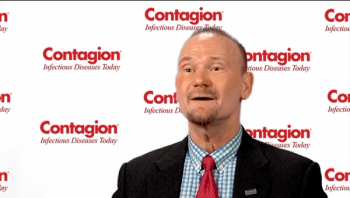
W. David Hardy, MD, discusses the challenges health care providers encounter when it comes to patients taking PrEP.
W. David Hardy, MD, discusses the challenges health care providers encounter when it comes to patients taking PrEP.

A shocking find on a CT scan leads to an unexpected diagnosis.

ART is associated with increased waist size in some people with HIV, and a new study aims to shed light on the factors involved.
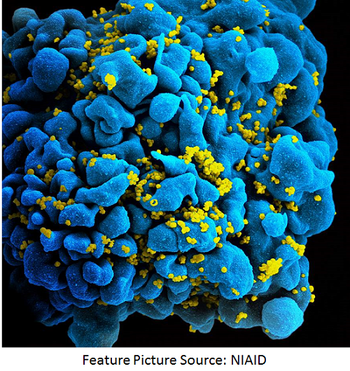
New findings show when A3A is overexpressed, latent HIV is less likely to reactivate; the opposite is also true.
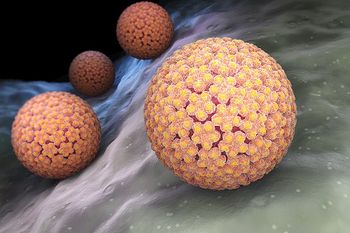
South Korean investigators have identified a correlation between infection with high-risk strains of HPV and increased risk of CVD, especially among women with obesity or other cardiovascular risk factors.

In an ongoing study spanning more than 15 years, investigators have made key discoveries about how HIV and TB drugs affect pregnant and postpartum women, leading to new safety and dosing recommendations for several medications.
In 2016, 60% of adolescents had initiated the HPV vaccine series but only 16% completed the vaccination series by age 13 and 35% by age 15.
The US Preventive Services Task Force evaluated existing recommendations and reaffirmed that newborns should receive ocular antibiotic ointment at birth to prevent gonococcal ophthalmia neonatorum.
Patients who believe themselves to be at a high risk of contracting HIV are more likely to accept pre-exposure prophylaxis (PrEP) than their peers. That’s one key finding from a new study that looked at how individual factors affect PrEP uptake.
A new guideline on the management of gonorrhea has been issued by the British Association for Sexual Health and HIV.

In theory, investigators now have the tools to edit a patient’s genes to fight HIV. However, there’s a big difference between potential and reality.
A study of the approach worked wonders in China, but it may not effectively shift the burden of costs associated with testing in the US.
A new review shows transgender women face higher HIV rates than transgender men, but also finds a relative lack of data about transmen.
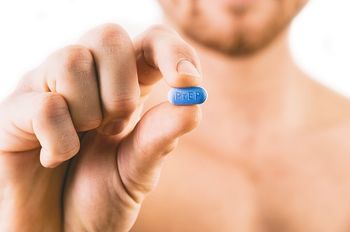
Mutual of Omaha will no longer deny coverage to individuals using PrEP for HIV prevention following allegations of discrimination in 2 separate legal settlements.
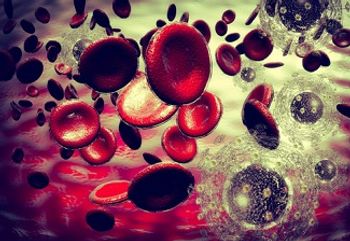
Investigators in Canada link larger HIV reservoir sizes to a virus gene that is more functional in one subtype of the virus, with findings which may one day contribute to the development of an HIV cure.

Even when men who have sex with men are aware of the risk of hepatitis C infection, they aren’t always confident in their ability to go against the expectations of their peer group.
Investigators on a new study found that the media was both complicit in increasing stigma around pre-exposure prophylaxis (PrEP), and helpful in reducing it as an impediment to its use for HIV prevention.
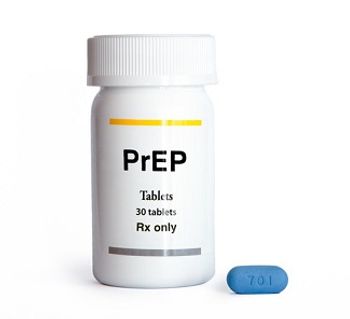
When combination antiretroviral therapy does not lead to sufficient HIV suppression, a new study finds that PrEP can become cost-effective for couples with differing HIV status who are trying to conceive.
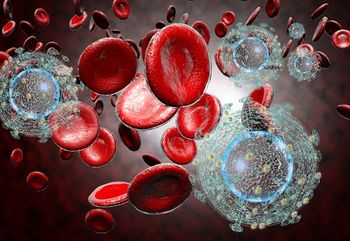
Despite promising early results, dolutegravir monotherapy should no longer be used as HIV maintenance therapy, a new study concludes.

People living with HIV are twice as likely to develop cardiovascular disease than noninfected individuals, and are more likely to have incident heart failure than the general population, even after adjustment for demographics and cardiovascular risk factors.
Maraviroc’s safety profile makes it a potential drug of choice for those at risk of contracting HIV, but a recent study raises questions about how well it works.
While the United States has seen significant increases in pre-exposure prophylaxis (PrEP) use among those at risk for HIV infection, PrEP uptake rates are still low overall in men who have sex with men, as well as in transgender individuals. A new study examines how a behavior model may help increase PrEP use in these at-risk groups.
When taken consistently, PrEP can reduce the risk of HIV infection by 92%. So why aren’t more health care professionals prescribing it to adolescents, who continue to have an increased HIV incidence rate nationally?
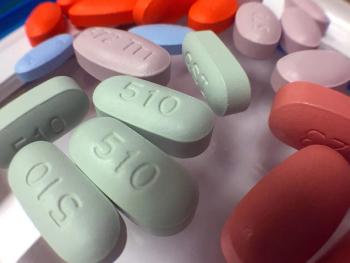
Single-tablet regimens may provide better virologic response and control than multiple-tablet regimens for people living with HIV, likely due to a lower pill burden and, subsequently, better medication adherence, according to the results of a new study.
Clinicians who ask the right questions of patients can help identify those at risk of contracting HIV and who might benefit from PrEP.