















































































































Dr. Monique Foster, CDC, and Dr. Eric McDonald, San Diego County Health and Human Services Agency, discuss the surprising return of hepatitis A virus as part of the Late Breakers I symposium.
Dr. Monique Foster, CDC, and Dr. Eric McDonald, San Diego County Health and Human Services Agency, discuss the surprising return of hepatitis A virus as part of the Late Breakers I symposium.

New data reveal that when pregnant women receive the Tdap vaccine during pregnancy, it can prevent whooping cough in about 78% of newborns; however, only about 50% of pregnant women receive the vaccine.

MNT occurs neonatally when a newborn’s unhealed umbilical stump is infected with Clostridium tetani, the bacterium that causes tetanus.
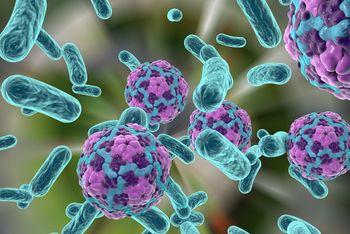
Officials from the Los Angeles County Department of Public Health declare a local hepatitis A outbreak, as HAV outbreaks continue in San Diego and Santa Cruz.
Hanneke Schuitemaker, PhD, explains the challenges faced when creating a vaccine for HIV.
As outbreaks of measles and mumps continue to spring up across the country, a third dose of the MMR vaccine may be necessary to cull their spread.
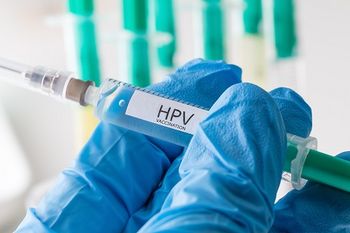
Researchers from the Moffitt Cancer Center find that the newest HPV vaccine protects against 9 cancer-causing strains of the virus.

Stay up-to-date on the latest infectious disease news by checking out our top 5 articles of the week.
Jessica Justman, MD, reveals the latest results of the Population-based HIV Impact Assessment Project (2017).
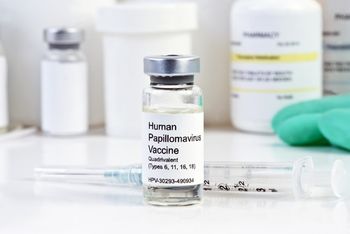
Administration of the HPV vaccine continues to lag behind that of other recommended vaccines. How can providers increase the proportion of adolescents vaccinated against this sexually transmitted virus?
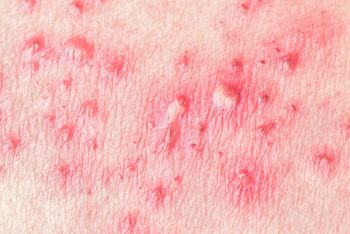
A FDA expert advisory panel voted unanimously to back a new shingles vaccine developed by GlaxoSmithKline: Shingrix.
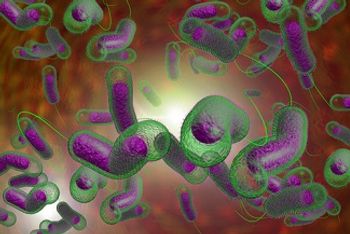
After being hit with severe flooding and a devastating mudslide, thus increasing risk of cholera infection, half a million individuals in Sierra Leone will now have access to a life-saving vaccine.
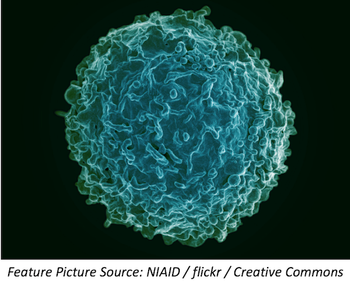
Researchers have developed a map of the networks of B-cells in the human body, shedding light on the intricate workings of the immune system.
A new review article shows that if a child has a serious reaction to a vaccine, the chances of it happening again are very small.
Although the recent measles outbreak in Minnesota has been declared to be over, its occurrence underscores the need to address the larger issue of vaccine uptake in the United States.

The National Institutes of Health has awarded a 4-year, $4.8 million grant to the University of Arizona to speed up the development of delta-CPS1, a vaccine candidate to fight valley fever.
A measles outbreak that affected 79 individuals in the state of Minnesota this spring and summer 2017 was recently declared “over” by the Minnesota Department of Health (MDH).

One study has found that pregnant women were more likely not to have their children vaccinated on time, after receiving negative information on vaccines from their friends and family, even after receiving positive information from their doctors.
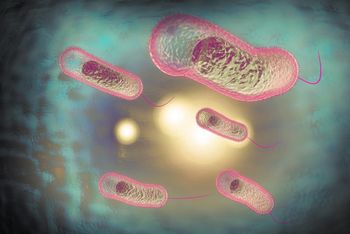
A recent review looking at research literature finds that cholera vaccines provide substantial protection for adults, but significantly less protection for children.
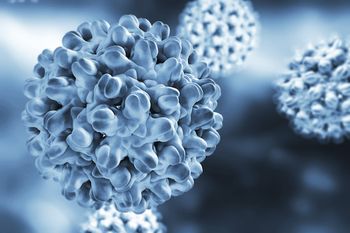
The decision date for a NDA for a new hepatitis B vaccine, Dynavax’s Heplisav-B, has been delayed, as the FDA asked for more post-marketing study information on the vaccine.

Despite the progress that has been made, more research is needed on cancer prevention, hepatitis B, and human papillomavirus vaccines.

The pneumococcal vaccine is routinely administered to babies in the United States starting at 2 months of age.

New HIV drugs, vaccine regulations in France, correlations between intestinal viruses & type 1 diabetes, the susceptibility of Florida mosquitoes to transmit chikungunya, and an evaluation of the risk of hepatitis B reactivation in veterans on direct-acting antiviral therapy make up our Top 5 articles for the week of July 30, 2017.
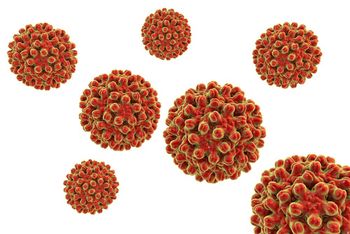
In a 12-1 vote, the FDA’s Vaccines and Related Biological Products Advisory Committee supported the safety data of a new potential hepatitis B vaccine.
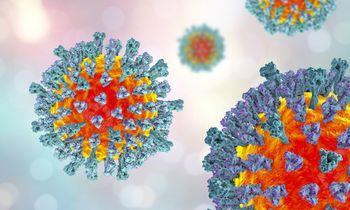
With more parents opting for non-medical exemptions from vaccination in some states, a new study highlights the health and financial costs of even small reductions in vaccination rates.