




















































































































In case you missed them, here are our top 5 articles for the week of April 2, 2017.


As Flu Season Wanes, Researchers Discover Potentially Powerful Flu-Fighting Compound

YSPH Model Sheds Light on How Millions of HIV Cases Can Potentially Be Averted
In case you missed them, here are our top 5 articles for the week of April 2, 2017.

Sometimes the best surveillance tools are found in the gutter, at least according to a new study.

During a recent webcast lecture, Hana Golding, PhD from the US Food and Drug Administration described new ways to evaluate safety and effectiveness of vaccine adjuvants.
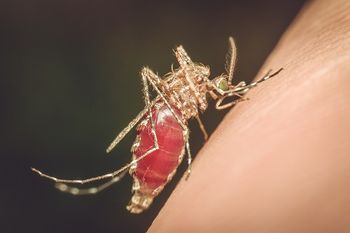
Health officials in Florida declare that they are better prepared for a potential outbreak in their state as Zika vaccinations have begun in a multi-site Phase II/IIb clinical trial of VRC705 in areas of endemic Zika transmission throughout the world.

On March 30, 2017, at the SHEA Spring 2017 Conference, Matt Linam, MD, MS, discussed strategies to prevent healthcare workers from spreading healthcare-associated infections (HAIs).

Although cases of influenza A are on the decline, a late season surge in influenza B cases are helping to extend flu season across parts of the United States.
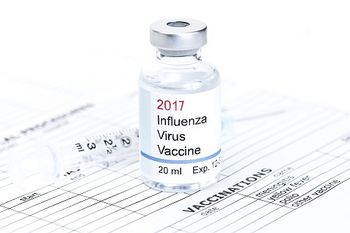
The results of a new study have revealed that older women and African Americans are less likely to get vaccinated against influenza.

A mumps outbreak that began in the country last fall is continuing across the United States. New research suggests that even small populations of unvaccinated individuals may be fueling the outbreak.

Researchers from the University of Oxford and Janssen Pharmaceuticals believe they have demonstrated an Ebola vaccine approach that fosters immunity for up to 1 year.

Harvard T. H. Chan School of Public Health researchers report that a new rotavirus vaccine was found to be 66.7% effective.

Flu activity continues to drop across the country, but new outbreaks continue as health officials predict a flu season that could last until May in some areas.

Guidelines for the human papillomavirus (HPV) vaccine include recommendations on which populations of individuals should receive either the 2-dose or 3-dose regimen.
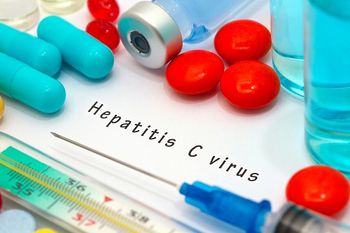
Hepatitis C virus is the world’s most prevalent blood-borne viral infection for which a vaccine does not exist. To eliminate HCV infection on a global scale, experts argue that vaccine development needs to become a public health priority.
More education on the illnesses individuals are risking by refusing vaccines may help to address the issue.

A decrease in flu activity in the United States brings some relief to a flu season marked by severe illness, but health officials say that the season may last for several more weeks.
A new report from the Centers for Disease Control and Prevention (CDC) details just how effective the flu shot has been so far this season.

In order to ensure that vaccines reach those who need them the most, experts are proposing a global vaccine injury compensation system that would ensure their safety in the event of adverse reactions from vaccines developed on shortened timelines.

The Duke Human Vaccine Institute may have discovered an HIV-destroying antibody that is capable of neutralizing up to 99% of the virus, which would make it the most powerful one yet found.

Growing issues and a controversial administration are bringing bioethics to the forefront of science and public health.

Researchers are expressing concern that funding for research climate-monitoring programs may not come through and that this would negatively impact the study of some infectious diseases.

A new app developed by MIT Connection Science and sponsored by GlaxoSmithKline uses crowdsourced data to track the flu in real time.
The Michigan Department of Health and Human Services has reported an increased incidence of pertussis and is working with the Oakland County Health Division to work on ways to promote awareness of the issue.
High flu activity and new pediatric flu-related deaths around the country lead some area schools to announce temporary closures in hopes of preventing further spread of the virus.

Contagion® is celebrating it’s one-year anniversary today, February 7, 2017. As we hit this milestone, we wanted to look back and remember the three articles that launched Contagion® on this day in 2016.

Due to the multi-county spread of mumps in Washington, health department officials are calling for individuals to receive the MMR vaccine.