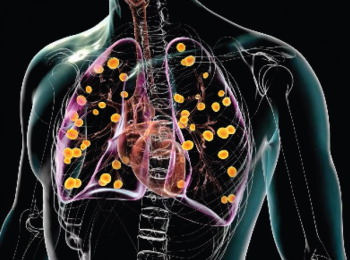
An increase in cases of blastomycosis in upstate New York over the past decade suggests it is becoming endemic, although it is not yet a reportable infection.

An increase in cases of blastomycosis in upstate New York over the past decade suggests it is becoming endemic, although it is not yet a reportable infection.

Peptilogics has enrolled the first patient in its RETAIN trial evaluating PLG0206, a first-in-class anti-biofilm therapy designed to treat prosthetic joint infections.

In this episode, the panelists discuss how the pediatric immunization schedule changes could potentially influence vaccines' inequities, and how vaccine education continues to play a significant role in immunization uptake and improving health equity.

A phase 2 trial published in The Lancet Infectious Diseases found that the investigational antibiotic CRS3123 achieved high clinical cure rates comparable to vancomycin while significantly reducing recurrence and preserving the gut microbiome in patients with Clostridioides difficile infection.

In this episode, the panel discusses the continued importance of getting all children vaccinated and the potential unintended consequences of fewer individuals being immunized if the current trends continue.

Emerging preclinical, compassionate-use, and randomized trial data suggest phage-antibiotic combinations may benefit select patients with multidrug-resistant infections, yet critical gaps in standardization and evidence remain.

The rate of HBV vaccination of newborns in the US has declined by over 10% in the past 2 years, reversing decades of increasing coverage.

This week, read about the latest measles numbers, a risk assessment and antibiotic treatment of GAS pharyngitis, an analysis of ceftolozane-tazobactam over aminoglycosides/polymyxins for resistant P aeruginosa, and more.

The FDA’s biologics center faces another leadership shake-up as Vinay Prasad, MD, MPH, plans an exit in April, leaving questions over vaccine rules and gene-therapy approvals.

The latest CDC numbers show a 12.76% increase of measles cases from week-to-week. This is a slight decrease in the number of cases from last week where there was a 15.7% increase. The data also shows outbreaks in 3 new states.

Despite increased risk for severe outcomes, most older adults and those with comorbidities do not receive antiviral treatment for COVID-19.

Despite the absence of vaccine data to support making changes, the ACIP continues to alter the pediatric schedule that will see less children getting immunized against vaccine-preventable diseases.

In 2025, the Infectious Diseases Society of America published the first part of an update to the clinical practice guideline on the diagnosis and management of GAS pharyngitis. Here is an overview of the risk assessment and antibiotic treatment of GAS pharyngitis.

In this episode of our roundtable discussion, the panelists talk about the changes to the CDC’s ACIP meetings.

By launching during the Super Bowl pregame and the Grammy Awards, Gilead’s One2PrEP campaign used music, mainstream media, and bold visibility to normalize conversations about HIV prevention and expand awareness of evolving PrEP options.

As the US continues to undergo massive policy changes to the childhood vaccine schedule, clinicians and families are left uncertain on recommendations and guidance. Our roundtable looks to provide some insights and answer questions to some of the more pressing topics about this evolving issue.

Moderna has cleared a major regulatory milestone in Europe after the EMA’s CHMP recommended approval of mRNA-1083 (mCOMBRIAX), the world’s first combined influenza and COVID-19 vaccine for adults aged 50 and older.

A new modeling analysis shows the potential increases in cases, hospitalizations, deaths, as well as the healthcare costs associated with declining vaccination rates. Patricia Stinchfield, RN, MS, CPNP, offers commentary on the evolving measles outbreaks, discusses the vulnerable populations that are more at risk for contracting severe measles, and strategies to increase vaccination.

Ceftolozane-tazobactam cure rate for multidrug-resistant Pseudomonas aeruginosa infections is higher than with aminoglycosides/polymyxins and comparable to ceftazidime-avibactam.

This week, read about the newest measles update, a clinician's insights on treating the respiratory disease, as well as the latest HIV therapeutic data coming from the CROI conference.

Patricia A Stinchfield, RN, MS, CPNP, discusses her medical experience caring for patients with it, and what fellow clinicians and the general public should know about less-discussed details and potential complications.

The latest CDC numbers show a 15.7% increase of measles cases from week-to-week. This is another large jump in cases, especially from last week where there was a 7.8% increase. The data also shows further outbreak spread across more states.

Eric Meissner, MD, PhD, discusses the takeaways of the ARTISTRY-2, phase 3 study, which compared bictegravir/emtricitabine/tenofovir alafenamide to bictegravir/lenacapavir in adults with HIV who were virologically suppressed.

Phase 1 data show that the long-acting HIV-1 capsid inhibitor VH-499 is well tolerated as a single intramuscular or subcutaneous injection and demonstrates pharmacokinetics supportive of long-acting dosing intervals.

Chloe Orkin, MD, MSc, discusses the takeaways of the ARTISTRY-1 phase 3 study, including its efficacy and safety profile and the potential benefits of a single-tablet regimen in this patient population.

New in vitro data presented at CROI show that Atea Pharmaceuticals’ oral nucleotide analogue AT-587 demonstrates markedly superior potency against hepatitis E virus compared with existing off-label options, supporting plans to advance the candidate into phase 1 clinical development in 2026.

Amy Colson, MD, MPH, discusses data from the MK-8591A-052 trial that showed that switching to doravirine/islatravir maintained durable virologic suppression with efficacy and safety comparable to continuing bictegravir/emtricitabine/tenofovir alafenamide.

New 96-week subgroup data from the PASO-DOBLE study show that adults with virologically suppressed HIV who switched to dolutegravir/lamivudine experienced significantly lower rates of steatotic liver disease than those who switched to bictegravir/emtricitabine/tenofovir alafenamide, particularly among individuals with clinically meaningful weight gain.

In the phase 3 ARTISTRY-2 trial, switching people with virologically suppressed HIV from B/F/TAF to a once-daily bictegravir/lenacapavir single-tablet regimen maintained viral suppression through week 48 with comparable safety and tolerability.

In a phase 3 study of virologically suppressed adults with HIV, switching to once-daily doravirine/islatravir (DOR/ISL 100/0.25 mg) maintained high rates of viral suppression through 96 weeks, with no emergent resistance and a favorable safety profile.