


















































































































































A traceback investigation has found that raw scallops have contributed to the hepatitis A outbreak in Hawaii.

Researchers from Nanjing Biopoint have made a breakthrough when it comes to fighting HIV through the development of a product that uses certain material when collecting blood samples that can separate the plasma from the rest of the blood, allowing the sample to be safely sent to a testing center.
A traceback investigation has found that raw scallops have contributed to the hepatitis A outbreak in Hawaii.
A new study conducted by an Ebola diagnostic laboratory in Liberia has found that there is a connection between the survival of individuals with Ebola and co-infection with Plasmodium parasites that cause malaria.

Mirus Bio, a spinoff company from the University of Wisconsin-Madison, has developed a method for “silencing” RNA against hepatitis B (HBV) that has reached clinical trials in Asia, Europe, and the United States.

With the assistance of funds granted by Congress, the Department of Veteran Affairs (VA) will extend new hepatitis C (HCV) treatment to all infected veterans within their healthcare system, of all stages of illness and regardless of whether or not the infection had been acquired during military service.
In response to an increase of hepatitis C cases in Rhode Island that have resulted in hospitalizations and deaths, the Rhode Island Department of Health and the Rhode Island Public Health Institute have worked together to compose their first ever, comprehensive epidemiological report.

Collateral damage from the ongoing opioid abuse epidemic in the United States continues to plague many rural communities across the country, with recent reports suggesting it is likely behind clusters of HIV cases in these areas.

A new study has confirmed that significantly more women than men diagnosed with Staphylococcus aureus bacteraemia will die within 30 days of acquiring the infection.

Through the use of targeted screening programs, the ECDC has found that foreign-born migrants are at a higher risk of hepatitis B and C. Identifying risk groups can help practitioners reduce the burden of chronic hepatitis.

The US Food and Drug Administration has approved VIEKIRA XR, the first co-formulated three direct-acting antiviral for adults diagnosed with genotype 1 (GT1) chronic hepatitis C virus (HCV) infection.

CDC Public Health Response Director Warns Lack of Funds Hampers Protection Efforts
Stephen Redd, MD (RADM, USPHS), Director of the Office of Public Health Preparedness and Response, at the Centers for Disease Control and Prevention explains what they learned from handling the response to the Ebola outbreak in 2014-2015.

Stephen Redd, MD (RADM, USPHS), Director of the Office of Public Health Preparedness and Response at the Centers for Disease Control and Prevention (CDC) explains what the CDC learned from responding to the Ebola outbreak and how this has impacted the response to the Zika virus.

Those patients who survive infections caused by the Ebola or Marburg viruses may gain at least partial immunity to other filoviruses through specific antibodies generated during serological immune responses.
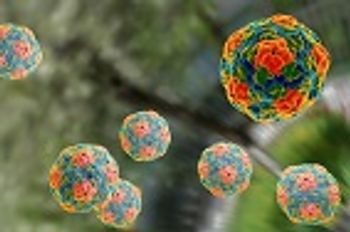
The Hawaii State Department has confirmed an open investigation of the hepatitis A infection in Oahu, Hawaii.

A new study may uncover the mystery behind why the Ebola virus disease is fatal to only some, and lead to pathways to new treatments.

This review article provides guidance for clinicians that have been struggling with the most effective way to treat chronic hepatitis B virus (HBV) infection in children and adolescents.

A recent study has estimated the seroprevalence of hepatitis C virus (HCV) infection to be 0.5% in the antenatal population.

Hepatitis C virus (HCV) cure when using direct-acting antiviral (DAA) agents in human immunodeficiency virus (HIV)-coinfected patients is lower in real-world settings than when patients are enrolled in clinical trials, a new study has found.
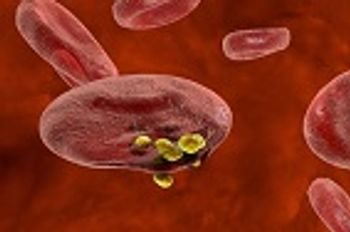
A long-held belief regarding the way in which vaccinations work to protect hosts from pathogens may be inaccurate.

The FDA recently granted Emergency Use Authorization for the Idylla Ebola Virus Triage Test, a diagnostic test which detects the presence of the virus in blood.
A recent study in treatment-naïve patients with chronic hepatitis C virus (HCV) infection has shown that ledipasvir/sofosbuvir (LDV/SOF) combination therapy produces similar sustained virologic response (SVR) rates in clinical trial-based studies and real-world studies.

Charitha Gowda, MD, MPH, infectious diseases physician at Penn Presbyterian Medical Center discusses the impact direct-acting antivirals have had on patients’ adherence to their drug regimen when treating hepatitis C.
Contagion™ Editorial Board member, Charitha Gowda, MD, MPH breaks down the World Health Organization hepatitis C (HCV) guidelines update, and reminds healthcare professionals to build on these guidelines to advocate for the most effective and safest treatment options for our individual patients and all patients worldwide.

Charitha Gowda, MD, MPH, Infectious diseases physician at Penn Presbyterian Medical Center explains how the treatment regimen for treating those with acute hepatitis C differs from chronic hepatitis C.
An ongoing malaria outbreak in Colombia has been linked to illegal mining practices in the South American country.