






































































































Researchers may have found a way to broaden the US kidney transplant supply list.
Researchers may have found a way to broaden the US kidney transplant supply list.

The CDC released new preliminary surveillance data showing that over five years, the number of new hepatitis C infections has nearly tripled in number.

The World Health Organization has just confirmed a case of Ebola virus in the Democratic Republic of Congo.

There are several diseases that pose a high risk in the dental healthcare setting; a review article highlights ones that are preventable by immunization.

This week’s Public Health News Watch focuses on news that the new American Healthcare Act (AHCA), recently approved by the House, reportedly will not cover those with preexisting conditions.

Should clinicians be extra vigilant when deciding who receives antiviral therapy, or are the adverse effects few and infrequent?

In case you missed them, here are our top 5 articles for the week of April 30, 2017.
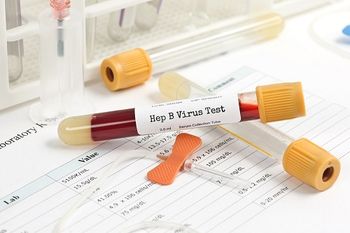
Many women who are infected with hepatitis B (HBV) during pregnancy go untreated, leaving their offspring at risk for a chronic HBV infection.
Jean-Paul Gonzalez, MD, PhD, Deputy Director, Center of Excellence for Emerging and Zoonotic Animal Diseases (CEEZAD), Kansas State University, Adjunct Professor, Kansas State University, discusses the parallels between past Ebola outbreaks, and how they can help us manage the current Zika pandemic.

Researchers from Zhejiang University in China take a closer look at how the incidence of different infectious diseases have changed in the first decade after the SARS outbreak.

Not much is known about how the genetic makeup of the virus impacts infected individuals, at least, until now.
We are adding 2 more reasons to the 7 reasons we are more at risk than ever for a global pandemic.
The World Health Organization just published the first ever Global Hepatitis Report, which notes that the viral hepatitis mortality rate is increasing worldwide, while deaths caused by HIV and tuberculosis continues to drop.
Liver health education seems to be absent from the final draft of the National Academy of Science's Strategy for Eliminating Viral Hepatitis B & C.

In a case study published in Science Translational Medicine, researchers describe what they believe is the host response to the blood-borne disease that has plagued several countries in Africa and caused world-wide panic.

In case you missed them, here are our top 5 articles for the week of April 9, 2017.
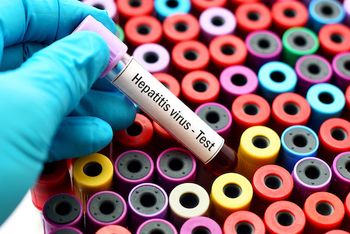
Researchers from the Center for Disease Analysis investigated the incidence of hepatitis C in the European Union (EU) and examined the measures that would be needed to achieve the World Health Organization’s ultimate goal of eradicating the disease by 2030.

Doctors Without Borders and humanitarian groups across Europe are coordinating their opposition to Gilead Sciences Inc’s patent for hepatitis C treatment sofosbuvir, the basis for the biopharmaceutical giant’s Sovaldi, Harvoni, and Epclusa drugs.

A recent study has found that individuals with chronic hepatitis B and C infections may have more to worry about; they may also be at increased risk for developing Parkinson’s disease. Not only this, but a change in the microbiome may also elicit the development of the disease.

Researchers from the Graduate Institute of Clinical Medical Science have established a potential link between hepatitis C virus and cataract development.

Researchers from the University of Oxford and Janssen Pharmaceuticals believe they have demonstrated an Ebola vaccine approach that fosters immunity for up to 1 year.
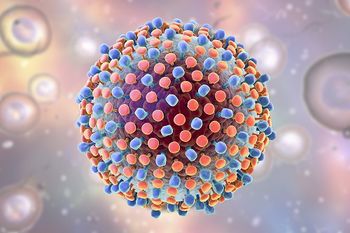
Johns Hopkins University School of Medicine researchers provide insight on how HCV evades the human immune response and why developing an HCV vaccine has been difficult.

In case you missed them, our top 5 articles for the week of March 12, 2017 are highlighted here.

The first international Open Science Prize has been awarded to Fred Hutchinson Cancer Research Center and University of Basel researchers for a software tool that is capable of tracking viral disease outbreaks.

Researchers posit that increased direct-acting antiviral (DAA) coverage can work to completely eradicate hepatitis c virus (HCV) in some populations of HIV-positive coinfected patients.