












































































































































Herewith, 4 New Year’s resolutions for the infectious disease community—at least according to us here on the Public Health Watch.
Herewith, 4 New Year’s resolutions for the infectious disease community—at least according to us here on the Public Health Watch.

The American Society of Transplantation has reached a consensus on how the treatment of hepatitis C virus with direct-acting antivirals could enable organ transplantations to HCV-negative recipients.

Forty years after the first Ebola outbreak in the Democratic Republic of Congo, investigators find that a small group of survivors are still producing virus-fighting antibodies.

The results of a new study show that when a best practice advisory (BPA) displayed in the electronic health record of patients in the baby boomer generation, it prompted a 5-fold increase in screening for hepatitis C virus (HCV) in this population.

Hepatitis C is more curable than ever thanks to direct-acting antivirals, and now, a new study shows how expanded access to these drugs through Medicaid is helping more individuals get treated.

Five outbreaks of hepatitis A continue to beat down on several states; can addressing the homelessness crisis prevent future outbreaks from happening?

Stay up-to-date on the latest infectious disease news by checking out our top 5 articles of the week.

A new study examines HCV treatment uptake in HCV patients coinfected with HIV.

Stay up-to-date on the latest infectious disease news by checking out our top 5 articles of the week.

Hepatitis A outbreaks have been ravaging 5 US states, leaving health officials scrambling.

A recent study finds that prolonged infusion of antipseudomonal β-lactams in patients with sepsis was associated with significantly less mortality when compared with short-term infusion.

The results of a new study show that patients who are co-infected with the hepatitis C virus (HCV) and HIV can experience cure rates similar to individuals infected with HCV alone when both groups receive direct-acting antiviral drugs.

World Toilet Day, November 9th, is dedicated to promoting awareness and inspiring action against the global sanitation crisis.

A research team has found that an antiviral drug available in Russia and a few other countries shows promising results when it comes to fighting Ebola virus disease.

Researchers are gaining a greater understanding of the role that human genetics plays in determining who contracts tuberculosis as well as how severely it impacts its victims.
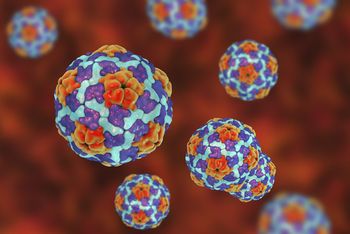
As the hepatitis A outbreak in San Diego continues, officials focus their efforts on homeless encamped along the San Diego River. Is the situation improving or getting worse?

The vaccine is the only 2-dose regimen for the prevention of infection by all known subtypes of hepatitis b in adults 18 and older.

Despite the availability of highly active agents against HCV, HIV-infected patients require special considerations for drug interactions when considering treatment options.

Alnylam Pharmaceuticals announces exclusive licensing agreement with Vir Biotechnology for the development and commercialization of RNA Interference therapeutics for infectious diseases.

Although there have been important improvements to existing vaccines, the list of vaccine-preventable diseases has barely changed at all in over two decades.

Both test vaccines produced immune responses by 1 month after vaccination and the immune response lasted for at least 1 year.

The declaration was made to help direct funds towards controlling the outbreak and providing adult hepatitis A vaccines to those in need.

Stay up-to-date on the latest infectious disease news by checking out our top 5 articles of the week.

The ambitious goal of global elimination of the virus by 2030 will take buy-in from all major stakeholders, including the United States.
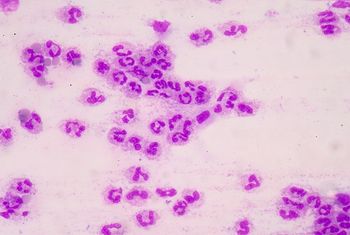
A recent study found that a sepsis care bundle program implemented in The Mount Sinai Hospital in New York coincided with an increase in antibiotic prescriptions and higher rates of Clostridium difficile infections.