

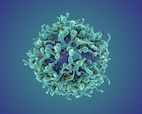






































































































A defense mechanism by which plants and animals fight off RNA viruses was recently observed in human cells for the first time, offering researchers a look at new ways to treat viral diseases.

Pediatric Doctors Create Guidelines to Safely Cut Unneeded Blood Cultures
A defense mechanism by which plants and animals fight off RNA viruses was recently observed in human cells for the first time, offering researchers a look at new ways to treat viral diseases.

In response to the hepatitis C virus outbreak in Kentucky, political and healthcare officials are debating the implementation of a needle exchange program for injection drug users.
Nicholas J. White, MD, shares his “Personal View” on mass drug administration (MDA) as a means of malaria prophylaxis.

A new potential case of the Ebola virus has been reported in Canada.

Studies find that a mutated gene that encodes the Ebola virus glycoprotein increased its ability to infect human and primate cells in the 2013-2106 West African epidemic.

Researchers have not been able to develop a vaccine for hepatitis C, which causes 700,000 deaths around the world annually, and now, a new study shows why developing a vaccine for the virus has been so difficult.


“The number of people who experience the devastating effects of preventable infectious diseases like measles, diphtheria, and whooping cough is at an all-time low," according to the Centers for Disease Control and Prevention (CDC).

The Georgia HCV Elimination Program, the first of its kind, is being heralded as a model for other countries that face a high rate of HCV infection.

An employee in the prepared foods section of a Whole Foods Market in Detroit, Michigan, has been diagnosed with hepatitis A.

A team of researchers at the University of California has found that veterans infected with both hepatitis C and human immunodeficiency virus sought treatment more often than those infected with just one of the viruses.

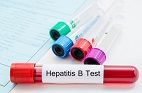
The National Institutes of Health have granted $3 million to researchers at the University of Missouri Bond Life Sciences Center to study hepatitis B and develop new, effective treatment options.

A voluntary recall has been initiated by Nurse Assist. All unexpired lots of IV Flush Syringes have been potentially linked to bloodstream infections from Burholderia cepacia.

The FDA has released a warning on the risk of reactivation of hepatitis B virus in some patients receiving direct-action antivirals to treat hepatitis C infection.
Gilead Science’s hepatitis C (HCV) drugs are forecasted to plummet in future years, according to a recent report.
The transdermal vaccine route offers an opportunity to improve vaccine administration.
Researchers at the University of North Carolina at Chapel Hill have found out how hepatitis A causes acute liver injury.

In a collaborative effort, researchers have discovered what they refer to as a “Trojan Horse” strategy that uses two developed bispecific antibodies that have proved active against all five strains of the ebolavirus.

John D'Angelo, MD, senior vice president, executive director of Emergency Medicine Services at Northwell Health, describes the importance for hospital staff to be prepared for outbreaks.

A new study has shown that infected wild house mice will disengage from their social groups, resulting in a decreased potential for disease transmission; these findings can be applied to improve models used to predict transmission of infectious diseases spread by social contact, such as Ebola and influenza.

Researchers from Nanjing Biopoint have made a breakthrough when it comes to fighting HIV through the development of a product that uses certain material when collecting blood samples that can separate the plasma from the rest of the blood, allowing the sample to be safely sent to a testing center.

A new report from Liberia’s Men’s Health Screening Program provides insight into the persistence of the Ebola virus in the semen of survivors.

As sporadic cases of Ebola continue to arise in West Africa, a controversial approach could be utilized to increase survival rates in those who are infected.

Researchers from the Copenhagen University Hospital of Denmark find that individuals who are hospitalized with infections have an increased risk of suicide ideation and death; individuals infected with hepatitis and HIV or AIDS have the highest risk of suicide-related death.

The Virginia Department of Health has issued a warning stating that there is an increased risk of hepatitis A in the state of Virginia that may potentially link back to frozen strawberries sourced from Egypt.