





















































































































The US Food and Drug Administration just announced that it is allowing the marketing of a new test kit for bloodstream infections.
The US Food and Drug Administration just announced that it is allowing the marketing of a new test kit for bloodstream infections.

The Centers for Disease Control and Prevention recently published a study detailing a case of Ebola virus RNA persistence in the semen of a male Ebola survivor with HIV.

A new study reports that a substantial proportion of secondary cases in the 2014 to 2015 Ebola epidemic descended from a small number of superspreaders.

Researchers presented their findings on pre-seroconversion window in patients with acute HCV infection at the Conference on Retrovirus and Opportunistic Infections in Seattle, Washington.
Researchers found that HCV infection may be linked to more cancers besides hepatocellular carcinoma, as well as certain types of non-Hodgkin lymphoma.

In a recent CHeCS study, investigators sought to identify the prevalence of cirrhosis, decompensated cirrhosis, and death, among 11,169 adults with HCV in the United States between 2006 and 2014.
A retrospective study found hepatitis C reinfection rates high are in HIV-positive men who have sex with men from four western European countries.
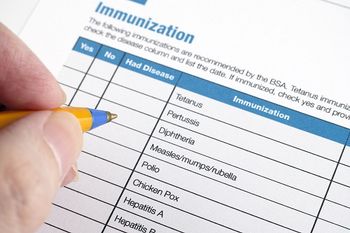
Here are the changes that have been made to the 2017 immunization schedules, as reported in the CDC’s most recent MMWR.
Regulus Therapeutic’s hepatitis C drug, RG-101, has been on clinical hold since mid-2016; FDA calls for additional data before hold is lifted.

The retrospective study included a cohort of patients from six countries across Europe who were diagnosed with HCV and received daclatasvir during the Named Patient Program.

The European Medicines Agency has fully validated Gilead’s SOf/VEL/VOX regimen to treat hepatitis C (HCV).

Researchers have found that those with type 2 diabetes have a higher prevalence of chronic hepatitis B virus infection than those with adult onset-autoimmune diabetes and those who do not have diabetes at all.

Quest Diagnostics has just launched a new hepatitis B virus quantitative test that will allow physicians to more effectively monitor patient response to antiviral drugs and tailor treatment regimens.

Insurance companies are denying members coverage to expensive drugs, like Harvoni, and those infected with HCV are filing lawsuits.

A new project aims to develop and assess new hepatitis C vaccination strategies in an effort to improve treatment.

New research from the Medical University of Vienna has made a connect between blood infections and an increased risk of arteriosclerosis.

Researchers have found that multidrug-resistant Candida auris, though capable of forming a biofilm that aids in its spread throughout hospitals, is susceptible to chlorhexidine.
In a phase 3 clinical trial, Japanese patients with chronic hepatitis C (HCV) infection without liver cirrhosis were able to achieve high sustained viral response rates after taking an investigational HCV drug from AbbVie.

Monique Foster, MD, MPH, EIS officer, Division of Viral Hepatitis, Centers for Disease Control and Prevention, explains why it’s important for individuals to know that they are infected with hepatitis C, although they may be asymptomatic.
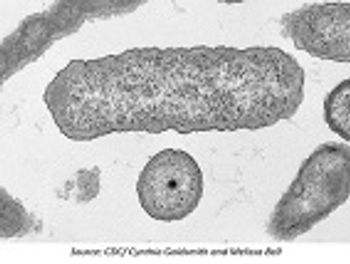
These findings discredit previous allegations that this outbreak was the cause of one source and that the number of cases is higher than that identified in previous years.

Researchers have found potential evidence that suggests Ebola may be able to replicate in the lungs of recovering patients.

Researchers have found that anemia offers protection against malaria in African children and that iron supplements may actually reverse this protective effect.
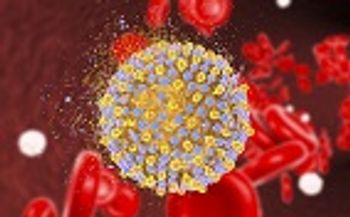
Despite the fact that an increasingly large portion of the hepatitis C (HCV)-infected population successfully achieves a cure for the infection, called sustained viral response (SVR), this population still deals with increased mortality rates.

A new coalition created by the Bill & Melinda Gates Foundation and other global partners will launch at this year’s World Economic Forum, with the goal of supporting the fast-tracked development of new vaccines.

Researchers have found that an experimental vaccine designed to fight the Ebola virus has proven to be highly protective.