





















































































































































Investigators set out to find out why pertussis rates in the United States have been rising steadily despite the availability of a vaccine.
Investigators set out to find out why pertussis rates in the United States have been rising steadily despite the availability of a vaccine.
Health officials around the United States are still recommending the flu shot for late-season protection against the second wave of flu caused by influenza B.

Marin H. Kollef, MD, discusses new therapies in development for the treatment of Pseudomonas infections.

In case you missed them, we've compiled the top 5 articles from this past week.

With influenza B making a late-season rise, health officials are warning that B viruses may cause a second wave of flu this season, while the FDA is backing some alternatives to egg-based flu vaccines.
Antibiotics are the mainstay treatment for CAP; however, the additive role of corticosteroids is continually being debated.

A recent study finds that daily antituberculosis therapy is more effective than a thrice-weekly regimen among HIV-positive patients with pulmonary tuberculosis.

A new study finds that a 1-month course of antibiotics is as safe & effective as the commonly recommended 9-month course in preventing tuberculosis in those with HIV.

Stay up-to-date on the latest infectious disease news by checking out our top 5 articles of the week.

In light of World TB Day, the CDC has released provisional TB surveillance data indicating a decline in cases in the United States, but at a rate that’s too slow to achieve elimination in this century.

The National Center for Health Statistics has released new data on flu vaccination rates in the United States, as 1 new study shows which airline passengers may be at greatest risk of catching the flu inflight.

The first reports of H7N9 infection amongst humans occurred in China in 2013.
Taking into account the severity of this flu season, it is important that health care providers understand and choose the best treatment option for each patient.

Marin H. Kollef, MD, discusses the strongest approach for treating Pseudomonas infections.

The Global Virome Project is set to launch in 2018, and will spend the next 10 years working to identify as many as 827,000 unknown viruses in the wild.
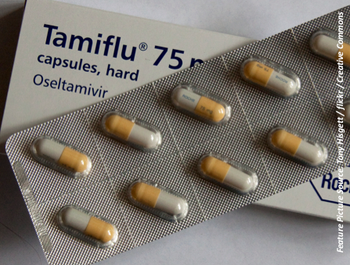
As flu activity continues to decline in the United States, some states are still reporting a record number of flu illnesses, as a new study debunks concerns that the use of Tamiflu may lead to increased suicide risk in teens.

Scientists from the NIH and Rutgers New Jersey Medical School are in the process of developing a promising alternative to antibiotic treatments for multidrug-resistant Klebsiella pneumoniae bacteria.
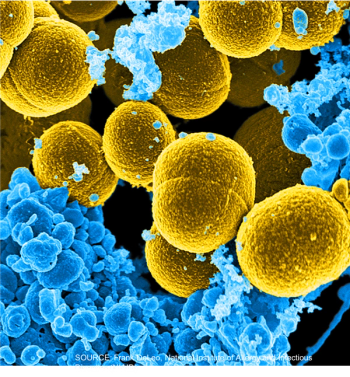
The Antibacterial Resistance Leadership Group (ARLG) is working to enroll patients in clinical trials of 2 investigational monoclonal antibodies, with the ultimate goal of reducing antimicrobial resistance.
Flu activity is down for the second week in a row in the United States, but as the flu season still has several weeks to go, the FDA has issued a warning about counterfeit flu medications.

New research from Australia supports the use of booster doses of the pneumococcal conjugate vaccine, but it shows overall effectiveness is high.

These landmark results are from a field study assessing the safety and efficacy of combination therapy with delamanid and bedaquiline in the treatment of drug-resistant tuberculosis.

At CROI 2018, the World Health Organization released updated guidelines for cryptococcal disease in HIV-infected adults.

Study results revealed that dolutegravir appears to be effective and well-tolerated in HIV/tuberculosis (TB) co-infected adults also receiving rifampin-based TB therapy.

Better understanding of the pathogenesis of tuberculosis can help inform the development of a new, effective vaccine.

The US Food and Drug Administration (FDA) has weighed in on the strains to be included in the 2018-2019 influenza vaccine.