



Vaccines
Latest News
Advertisement
Latest Videos

Shorts
1:00
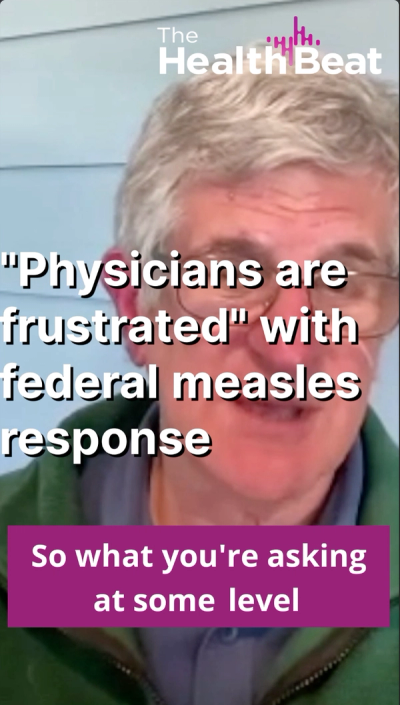
The Health Beat: Physician Frustration With CDC Measles Response
7 months ago
by
Paul Offit, MD(+1 more)
1:00
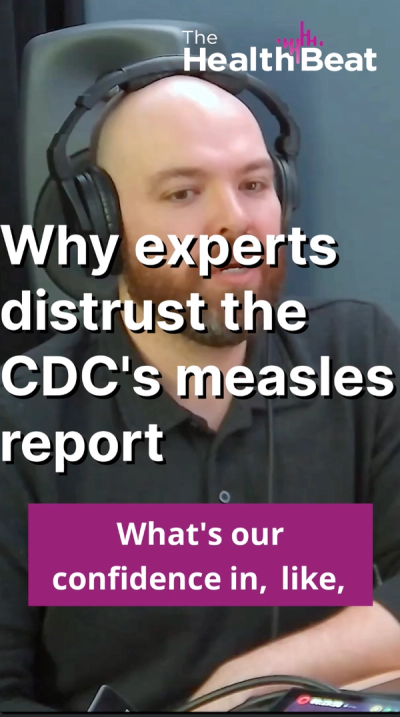
The Health Beat: Experts Confidence in CDC Measles Reports
7 months ago
by
Kevin Kunzmann(+1 more)
0:42
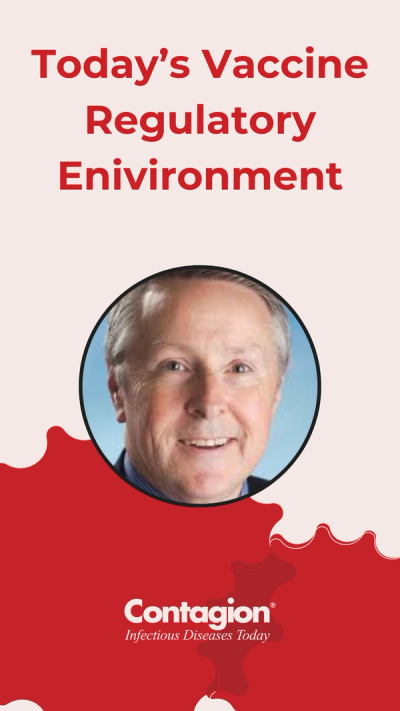
The Federal Regulatory Vaccine Policy Environment Today
7 months ago
by
Robert H. Hopkins Jr. MD(+1 more)

0:39
Challenges of Acquiring Phage Therapy
10 months ago
by
Ashlan Kunz Coyne, PharmD, MPH(+1 more)
0:48
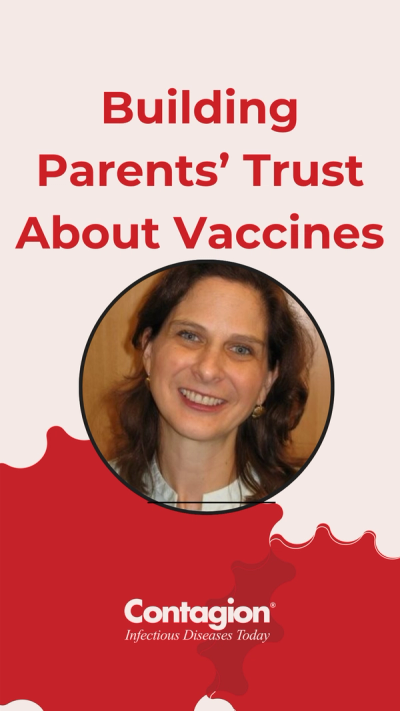
Building Parents' Trust About Childhood Vaccines
10 months ago
by
Ruth Lynfield, MD(+1 more)

0:14
A Monoclonal Antibody as a COVID-19 Alternative
10 months ago
by
Robert Allen, PhD(+1 more)
0:36
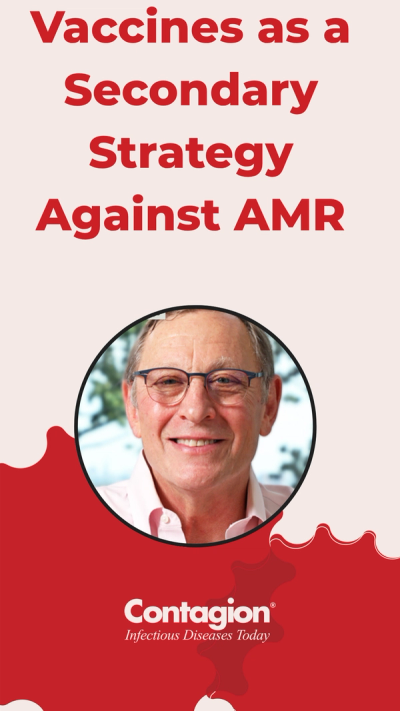
Vaccines as a Secondary Strategy in the Fight Against Antimicrobial Resistance
a year ago
by
Barry Kreiswirth, PhD(+1 more)
0:41
Kevin Ault, MD on ACIP Shared Decision-Making, Informed Consent, and Vaccine Policy
a year ago
by
Kevin Ault, MD(+1 more)
CME Content




































































































Advertisement
More News

Results from a large population-based study found that receiving influenza and pertussis vaccines on the same day during pregnancy does not increase the risk of adverse maternal, birth, or neonatal outcomes compared with pertussis vaccination alone.

Study ascertains vaccination status of children hospitalized for Bordetella pertussis infections and assesses diagnostic value of testing modalities.
This week, read about omadacycline as an oral treatment option for Mycobacterium abscessus pulmonary disease, combining immunotherapy with antifungals for fungal infections, this year's Peggy Lillis Foundation's C diff meeting, and more.
This week, read about a new COVID variant, the test and treat paradigm model for hepatitis C, and a mission around bringing Americans with Ebola back to the US.

A phase 3 trial of an investigational Lyme disease vaccine from Pfizer Inc. and Valneva SE demonstrated more than 70% efficacy, signaling potential progress toward the first approved human vaccine for the disease. Pfizer is planning to move forward with regulatory submissions for potential approval.
This week, read about the DOTs trial, the latest measles numbers, the World Health Organization's new targets for antibiotic development, and more.
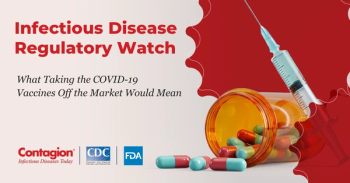
In this month's column, we look at the leadership change at CDC, an amicus brief supporting the AAP's lawsuit against HHS changes to the pediatric vaccine schedule, and potential clinical repercussions around the reports the federal government is considering removing the COVID-19 vaccine from the market.

In the final episode, the panelists offer some insights around following the federal agencies' ever-changing vaccine policies and the value of following professional medical societies' guidance during this period of uncertainty.

A district court judge has ruled against the current administration's vaccine policies and throws into jeopardy this week’s Advisory Committee on Immunization Practices meetings that were scheduled to discuss COVID-19 vaccines.
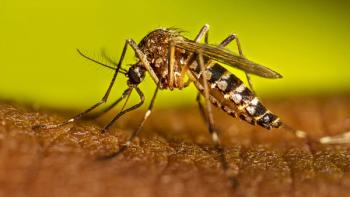
A phase 3 clinical trial found the Butantan-DV tetravalent dengue vaccine provided 80.5% protection against severe dengue with warning signs over 5 years and prevented hospitalizations among vaccinated participants.
This week, read about tapering vancomycin for 2 weeks after a 2-week standard dose treatment of Clostridioides difficile, phage-antibiotic combinations, another episode from our vaccine roundtable, and more.

The FDA has expanded approval of GSK's Arexvy to adults aged 18 to 49 who are at increased risk for RSV-related lower respiratory tract disease, building on the vaccine's existing approvals in adults 50 and older.
The FDA’s Vaccines and Related Biological Products Advisory Committee (VRBPAC) unanimously voted for a trivalent vaccine composition for use in the US, protecting against influenza A (H1N1 and H3N2) and influenza B (Victoria lineage).
The rate of HBV vaccination of newborns in the US has declined by over 10% in the past 2 years, reversing decades of increasing coverage.
This week, read about the latest measles numbers, a risk assessment and antibiotic treatment of GAS pharyngitis, an analysis of ceftolozane-tazobactam over aminoglycosides/polymyxins for resistant P aeruginosa, and more.

The FDA’s biologics center faces another leadership shake-up as Vinay Prasad, MD, MPH, plans an exit in April, leaving questions over vaccine rules and gene-therapy approvals.

Moderna has cleared a major regulatory milestone in Europe after the EMA’s CHMP recommended approval of mRNA-1083 (mCOMBRIAX), the world’s first combined influenza and COVID-19 vaccine for adults aged 50 and older.
This week, read about the newest measles update, a clinician's insights on treating the respiratory disease, as well as the latest HIV therapeutic data coming from the CROI conference.
This week, read about the changes to the pediatric vaccine schedule, RSV protection, the FDA reversing course on Moderna's influenza vaccine, and more.
The latest CDC numbers show a 7.9% increase of measles cases from week-to-week. While the number of new measles cases are down from the previous week, there are more states and outbreaks circulating throughout the US.
In this month's column, we look at the recommendation changes made by the CDC to the pediatric vaccine schedule, as well as the American Academy of Pediatrics' response with its own vaccine schedule.

The federal agency is bringing over NIH Director Jayanta "Jay" Bhattacharya, MD, PhD, to fill the position.

Invivyd has aligned with the FDA on the design of a phase 3 trial evaluating the safety and immunology of the company's monoclonal antibody, VYD2311, vs mRNA COVID vaccines and in co-administration.

New real-world evidence presented by GSK shows its RSV vaccine, Arexvy, was associated with substantial reductions in RSV-related hospitalizations and serious cardiovascular and respiratory complications among older adults.
After initially refusing to review Moderna’s investigational mRNA-based seasonal influenza vaccine, the company communicated with the FDA on a revised proposal to seek approval and the federal agency will now review the product. The vaccine's PDUFA decision date is August 5, 2026.
Advertisement
Advertisement
Trending on Contagion Live
1
Ceftriaxone Safety: Separating Signal From Risk
2
A Pennsylvania Teen Dies From Rare Measles Neurological Complication
3
New Diagnositics for Legionella Pneumonia May Streamline Care Continuum
4
Revisiting Whether Cefepime Raises Mortality Risk
5