






Antibiotics
Latest News
Advertisement
Latest Videos



























































































































































Advertisement
More News

The challenging search for a metric that effectively evaluates an ASP’s direct impact on appropriate antimicrobial use and improved patient outcomes.

QPX9003 was developed through an NIAID-supported drug discovery collaboration with world experts.

International travelers acquire antimicrobial resistance genes, including some not included in databases, a recent study confirmed.

Investigators in Brazil attribute Trichosporon asahii fungemia in critically ill COVID-19 patients to “overexposure” to antibiotics and corticosteroids.


Paratek’s omadacycline (Nuzyra) is granted approval for an oral-only dosing regimen in adults.

Rapid respiratory virus test results for children in an emergency department could be received too late to inform antibiotic prescribing.
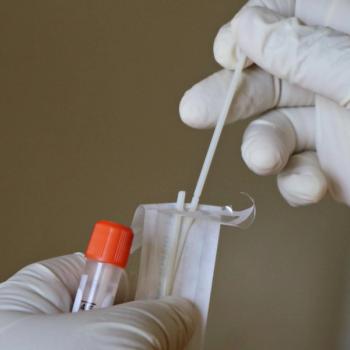
New research from Emory show a significant difference in institutional antibiotic prescribing after education on the value of PCT testing in infected patients last year.

The study authors looked at previously published papers focused on carbapenems, fluoroquinolones, and third-generation cephalosporins.

A conversation on antimicrobial stewardship with Kushal Naik, PharmD, MBA.

No difference was observed in any of the outcomes and there was no impact on the duration of therapy.

GDC and DSENS were both seen to be safe and effective tools to optimize therapy in the study participants.

An effort to increase stewardship showed that 5-day and 10-day prescription stop dates for antibiotics did little to influence actual therapy length and outcomes.

An assessment from the Cleveland Clinic shows prescribing concordant to guidelines can exceed 60% in certain facilities.

Almost half of the participants in the study had an opportunity to improve their antibiotic regimen.

The pilot program was demonstrated to significantly reduce days of antibiotic therapy.

More than half of the pharmacist led interventions were accepted by providers during the intervention period.

Interventions implemented by pharmacists were more likely to be accepted by prescribers.

Short-course antibiotics are preferable for certain common bacterial infections, including acute bronchitis, pneumonia, urinary tract infection and cellulitis, the American College of Physicians said in a report issuing practice advice.

A study of more than 400 hospitals offers takeaways for creating antibiotic stewardship programs in hospitals around the country.

Escalating usage and more drug choices are putting more people at risk.

This approach can help with clinical outcomes and mortality, but resistance is not as well defined.

Ongoing education and proven outcomes need to aid this form of testing.


Social identity plays an important role in how antimicrobial stewards see their roles and influences how they communicated with prescribers.
Advertisement
Advertisement
Trending on Contagion Live
1
Early Dual Therapy Shortens Staphylococcus aureus Bacteremia in SABEDTIO Trial
2
Pritelivir Cuts Hospital Days in Refractory HSV in Phase 3 PRIOH-1
3
Ebola Update: DRC Outbreak Reaches 9735 Cases, Second Largest on Record
4
Novel RSV Therapy: Addressing a Clinical Need
5