



Antibiotics
Latest News
Advertisement
Latest Videos












































































































































Advertisement
More News
Jason Gallagher, PharmD, FCCP, FIDSA, BCPS, explains contemporary challenges facing ID clinicians individually and as a profession.

Despite the initial abandonment of bacteriophages in most areas of the world, the era of antibiotic resistance has led to a resurgence of phage therapy in clinical practice.

Mark Riddle, MD, DrPH, speaks to Contagion at ACG 2019 about the results of a study looking into microbiome changes associated with single-dose antibiotics for the treatment of traveler's diarrhea.
Jason Gallagher, PharmD, FCCP, FIDSA, BCPS, discusses areas of unmet need and challenges ahead in the ID development economic landscape.

In Medicaid data spanning a decade, more than a quarter of prescriptions were not associated with a clinician visit.

Daniel Chastain, PharmD, BCIDP, discusses how antiretroviral stewardship might practically be implemented in the context that antimicrobial stewardship as a whole is often underdeveloped.
A significant relationship exists between environmental exposures and colonization.

Where do infectious diseases fall on the WHO’s list of challenges to address during the 2020s?

A new study has found that in Tennessee, less than 2% of providers account for 25% of pediatric antibiotic prescriptions, with the highest number of prescriptions coming from providers who graduated from medical school prior to 2000.
Jason Gallagher, PharmD, FCCP, FIDSA, BCPS, discusses changes in public health and society since the early 20th century in response to speculation about whether large-scale global pandemics are still possible in the 21st century.

Investigators of a recently published manuscript surveyed hospitals participating in the Michigan Hospital Medicine Safety Consortium in order to evaluate contemporary practices and needs related to antibiotic stewardship.
Jason Gallagher, PharmD, FCCP, FIDSA, BCPS, describes the current state of antimicrobial stewardship efforts.

Exploring the antibiotic commercial conundrum. ​
Jason Gallagher, PharmD, FCCP, FIDSA, BCPS, discusses some of the broader themes in ID over the course of 2019.
Jason Gallagher, PharmD, FCCP, FIDSA, BCPS, discusses noteworthy infectious disease papers published in 2019.

Here is a look back at approvals, clearances, and authorizations granted by the US Food and Drug Administration for infectious disease products in 2019.
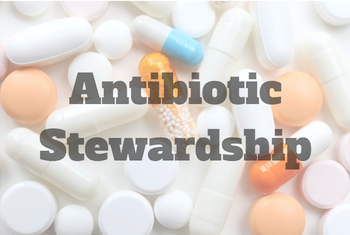
Investigators assessing how frequently antibiotics are prescribed without a documented indication discovered that 18% of antibiotic prescriptions had no documented indication in a nationally representative sample of ambulatory clinic encounters.

Mouse models suggest that giving patients with cancer a dose of vancomycin before radiation may prepare the immune system to attack tumor cells more effectively.
A new study shows that patients with medical devices were more likely to have resistant infections.

Ertapenem and daptomycin are commonly used in OPAT plans because they are broad-spectrum antimicrobial agents, despite their high cost.
The CDC’s latest report highlights higher rates of infections in the US, but this week let's focus on awareness so we can combat the threat of resistance.

A prediction model using prior health care exposure information could discern patients likely to harbor carbapenem-resistant Enterobacteriaceae at time of hospital admission.

Treating patients who have skin and soft tissue infections with a single dose of oritavancin may lower hospital admission rates compared to vancomycin, at a similar cost.

A rapid increase in antibiotic prescriptions before diagnosis with such conditions as COPD, heart failure and asthma, suggests these conditions may often be misdiagnosed as infections, according to a new study.

Amidst growing concern about antibiotic resistance, a new class of antibiotics may help in the fight against gram-negative bacteria.
Advertisement
Advertisement
Trending on Contagion Live
1
Early Dual Therapy Shortens Staphylococcus aureus Bacteremia in SABEDTIO Trial
2
Pritelivir Cuts Hospital Days in Refractory HSV in Phase 3 PRIOH-1
3
Ebola Update: DRC Outbreak Reaches 9735 Cases, Second Largest on Record
4
Novel RSV Therapy: Addressing a Clinical Need
5