





HIV / AIDS
Latest News
Advertisement
Latest Videos






































































































Advertisement
More News
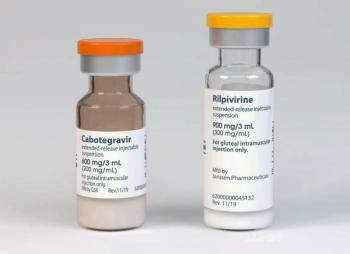
With FDA Approval, the oral lead-in for the cabotegravir and rilpivirine long-acting HIV treatment (Cabenuva) is now optional. Clinical trial data showed similar safety and efficacy profiles for initiating the therapy with or without the oral lead-in.

Congress’s spending bill allocated drastically less funding for HIV testing, prevention, and treatment than previously promised. Carl Schmid, executive director of the HIV+Hepatitis Policy Institute, explains why it is so vital to continue the fight against HIV.
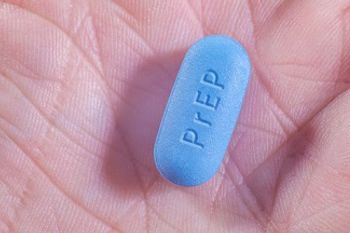
The study authors wrote that few people who initiate tenofovir disoproxil fumarate-based oral PrEP rarely experience clinically significant kidney impairment.
People who use drugs face obstacles, like homelessness and stigma, that hinder their access to healthcare. Dr. Brianna Norton opened the Montefiore-NYHRE Clinic, a first-of its kind academic medical center, to serve marginalized people holistically and respectfully.

A new virtual program aims to train clinicians and other providers on terminology and how to engage patients in effective dialogue and counseling.

The study authors suggest further research and investment to identify areas of support for individuals at the highest risk of poor outcomes.

This study comes just weeks after the company announced another HIV vaccine trial.
With 3 vaccine candidates, the National Institutes of Health (NIH) is launching one of the first trials to examine the safety and efficacy of mRNA technology in HIV vaccination.

The retroviral HIV drug HERV-K could be effectively repurposed to treat patients with meningioma and acoustic neuroma, common primary brain tumors.
“People don’t recognize that at least 1 in 5 of the deaths from opioids may result from endocarditis,” said National Institute of Drug Abuse (NIDA) director Dr. Nora Volkow, adding that endocarditis is “100% preventable.”

This findings present an opportunity for countries to critically review testing approaches to develop specific targeted HIV testing.

The Affordable Care Act can remove financial barriers and increase access to PrEP, the study authors said.

A major genetic risk factor for COVID-19, inherited from Neandertals, significantly reduces the risk of contracting HIV.

The federal agency cited chemistry manufacturing and controls issues with vials.

For people living with HIV, age-related comorbidities, such as obesity and diabetes, as well as quality-of-life issues remain challenges. Our Peer Exchange panel discusses clinical approaches for this patient population and trying to keep them in good health.

The FDA approved the One Male Condom as the first condom approved and proven to protect against STIs and HIV during anal sex.

A review of treatment modalities for this patient population.
Investigators looked at myocardial infarction risks over several years within 2 health care systems examining both people with HIV (PWH) and people without HIV (PWoH).

The investigational therapy has demonstrated promising results utilizing subcutaneous injections every 6 months.
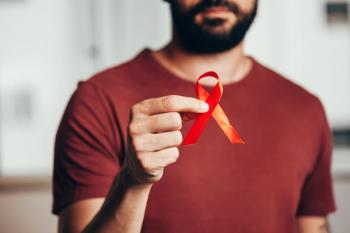
Hispanic/Latino people face disproportionately high HIV incidence, but one CROI 2022 study found those not born in the US are more likely to have stage 3 HIV (AIDS) diagnoses.

Due to policies rolling out HIV pre-exposure prophylaxis (PrEP) and commencing antiretroviral therapy at diagnosis, the UK is on track to eliminate new HIV infections among gay and bisexual men in approximately 25 years.

For people living with HIV (PLWH) an accelerated aging process may affect the severity of their disease.

After presenting at CROI 2022, Dr. Jessica Justman discusses her community-level survey findings: COVID-19 infections do not vary by age.

A study found 5% of German test-site visitors had a sexually transmitted infection. STI rates, including HIV incidence, were highest among men who have sex with men.

This patient is the first mixed race woman to experience HIV-1 remission, and potentially opens up the door to others being treated with a novel treatment.
Advertisement
Advertisement
Trending on Contagion Live
1
Measles Update: September 25, 2026
2
US Company Recalls Thousands of Pounds of Uninspected Meat
3
Carbapenem-Sparing Therapy for ESBL Bacteremia: New Trials, Old Questions
4
Enivronmental Stewardship: The Role of Antimicrobials in Climate Change
5