




HIV / AIDS
Latest News
Advertisement
Latest Videos




























































































Advertisement
More News
“It’s time to ensure widespread availability by promoting access to safe, effective, and sustainably priced medications, rather than providing incentives to prescribe higher-cost alternatives,” the authors said.
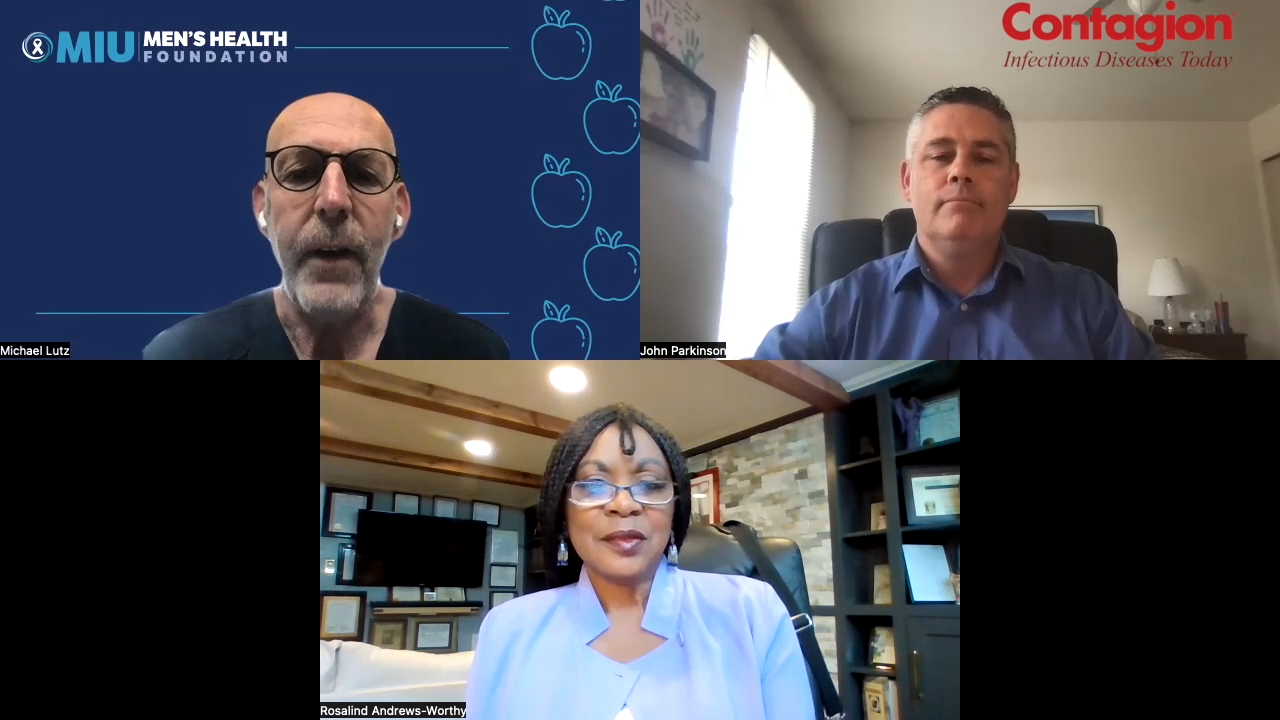
Joined by Steven Wolfe, DO, MPH, and Stuart A Fisk, CRNP, of the Allegheny Health Network, we discuss the populations most at risk of HIV infection, as well as advice for making healthcare spaces more inclusive and accessible for LGBTQ+ people.
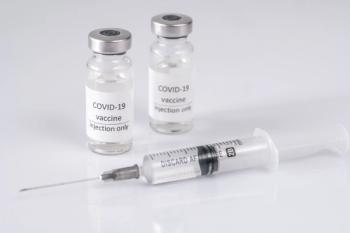
Adults living with HIV were more likely to have a breakthrough COVID-19 infection after vaccination, suggesting a need for additional vaccine doses in this population.
People infected with HIV are at a 4.5- to 12.9-fold increased risk of meningococcal disease compared to an otherwise healthy population, the study authors said.
The study authors determined that COVID-19 patients with HIV were 38% more likely to die than those without HIV.
Four lessons learned from the AIDS crisis that can be applied to the fight against our current pandemic.

The specialty of the prescribing clinician played a role in the appropriateness of the prescribing for managing ARI in patients with and without HIV.

In a poster presented at MAD-ID 2022, Margaret Pertzborn, PharmD, evaluated the efficacy of a PrEP Provider Toolkit on non-infectious disease provider comfort prescribing PrEP with their patients.

The FDA lifted a clinical hold on investigational lenacapavir for HIV treatment and pre-exposure prophylaxis. All clinical studies evaluating injectable lenacapavir can now resume.
Today, the International AIDS Vaccine Initiative (IAVI) and Moderna announced they will soon launch a phase 1 clinical trial for their HIV vaccine candidate, administered with mRNA technology to develop broadly neutralizing antibodies.

The company is utilizing this platform to address new COVID-19 variants, combination vaccines, and potentially prevent HIV.

In Part 2 of a video interview, Sornana Segal-Maurer, MD, discusses the newly published research findings that detail the potential of lenacapavir.

Risk-informed PrEP would reduce HIV incidence by 49 percent over the next 50 years, the study authors found.

Could lenacapavir be the answer for people with multidrug-resistant HIV infection? Principal investigator Sorana Segal-Maurer discusses the promising trial results in this challenging cohort (Interview part 1).

In a study of 32 patients with fourth-line metastatic colorectal cancer, the HIV drug lamivudine slowed disease progression in a quarter of participants.

Children living with HIV had a similar immune response to mRNA COVID-19 vaccination as children without HIV.

Two other male patients were previously known to be in HIV remission, but this is the first woman and first cord blood stem cell transplant case.
HIV reservoirs can remain dormant, reigniting infection at an opportune moment. New strategies seek to reignite these viral reservoirs so they can be identified and destroyed by the immune system.

Correlating immune response to COVID-19 vaccination in persons with HIV to their CD4 T-cell count could inform optimal vaccine strategy.
PrEP prescription initiations and fills dropped during the early parts of the COVID-19 pandemic, according to investigators from the NY State Department of Health.
The meta-analysis included 6 studies, of which 5 were conducted in sub-Saharan Africa, showed that the diagnostic accuracy for Xpert testing was similar to the former symptom screening and rapid test format.

April 10 is a day that commemorates a population group that is emerging in terms of increased incidence rates, and needs help with inherent challenges including medication adherence and understanding of the disease.
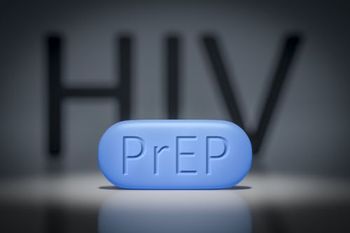
In Germany, HIV pre-exposure prophylaxis users are recommended to receive regular HIV, STI, and renal function testing. How frequently are PrEP users getting tested?

Being displaced by war is causing a disruption in treatment and long-term health care for Ukrainians. And it is likely, the situation will become more dire as the country’s public infrastructure worsens.
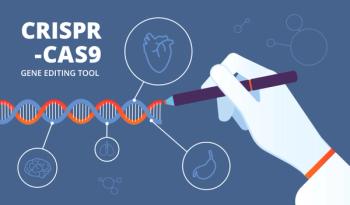
Using CRISPR technology, investigators were able to “knock out” primary human CD4+ T cells, identifying new genes essential to HIV viral replication.
Advertisement
Advertisement
Trending on Contagion Live
1
Measles Update: September 25, 2026
2
US Company Recalls Thousands of Pounds of Uninspected Meat
3
Carbapenem-Sparing Therapy for ESBL Bacteremia: New Trials, Old Questions
4
Enivronmental Stewardship: The Role of Antimicrobials in Climate Change
5