



HIV / AIDS
Latest News
Advertisement
Latest Videos

































































































Advertisement
More News
The CDC updated its HIV PrEP guidelines, including a recommendation that doctors talk to all sexually active adults about HIV prevention and prescribe PrEP to anyone who asks for it.

Urban areas in Florida had more social disorganization factors that drove HIV incidence than rural areas.

Merck announced an enrollment pause in 2 of their stage 3 clinical trials for once-monthly oral islatravir for HIV PrEP. Enrolled participants will continue receiving study medicine.

Methamphetamine use and experienced intimate partner violence led to increased HIV viral replication in Black and Latinx men who have sex with men.
Only 1 in 3 heterosexually active adults is aware of HIV PrEP, and this is even lower among Hispanic/Latinx men and women.

Study authors from the CDC found that girls in the sub-Saharan country of Namibia are at increased risk for HIV acquisition and also experience risk factors that make them eligible for HIV infection prevention programs.

Even after it was confirmed safe, women living with HIV are neglecting to use the drug dolutegravir, potentially subjecting them to worse HIV treatment outcomes.

Rates of sustained viral suppression among people living with HIV were lower than expected, especially among children and adolescents.

After the intervention, more patients were correctly prescribed nPEP and more follow-up visits were recommended.

Adding additional screening methods in combination with standard testing would increase diagnostic accuracy for tuberculosis infection among patients living with HIV.

HIV Stakeholders weigh on the future of PrEP.

A study found trans people were not substantively included in many countries’ HIV national strategic plans, despite being disproportionately impacted by HIV/AIDS.
How 1 provider is training medical peers to offer PrEP education and prescribe it.

Bias against injection drug users can inhibit them from receiving potentially lifesaving care, such as HIV pre-exposure prophylaxis (PrEP). Community-based responses like syringe service programs help combat this stigma.
Fenway Health’s Pride in Our Health podcast is an example of new voices being heard, and an alternative means of getting health information to the general public.
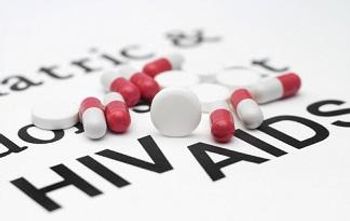
Adding genotypic resistance testing (GRT) to routine care did not improve HIV virologic outcomes for patients for whom first-line ART failed, the study authors wrote.
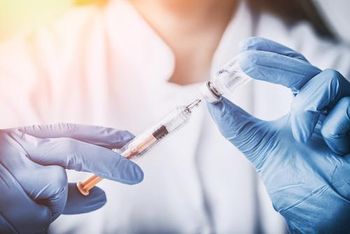
Long-acting cabotegravir plus rilpivirine worked with or without a lead-in for ART-naïve HIV patients.

Social factors, such as stigma or support, strongly impacted adolescent girls and young women deciding to use HIV PrEP in Kenya and South Africa.
A new study looks at this population and what factors affect outcomes, including diagnosis. This is significant not only for pandemic response, but also preparedness for vulnerable patient populations.
People who inject drugs (PWID) remain at risk of HIV infection, according to a recent report by the CDC, which found HIV infection and HIV-associated behaviors remained steady between 2015 and 2018.

Suzan Walters, PhD, discusses her research on the PrEP care continuum among people who inject drugs in rural versus urban settings.
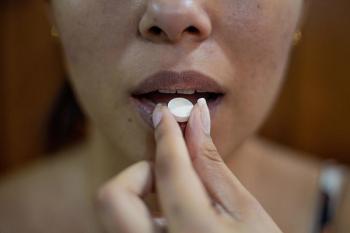
In Gilead’s BICSTaR trial of their full HIV treatment regimen Biktarvy, 97% of treatment-naïve adults and 96% of treatment-experienced adults achieved virological suppression after 1 year.
The once-weekly regimen of islatravir and lenacapavir is Merck and Gilead’s first clinical trial since collaborating to develop long-acting HIV treatment options.
The increasing presence of multiple non-AIDS comorbidities in women and others living with HIV challenges clinicians to steer away from the approach of optimizing individual chronic conditions but to think more holistically.

Merck recently announced results looking at their islatravir implant studied for HIV prevention for 3 months. The long-term goal is to have the implant last 12 months following administration.
Advertisement
Advertisement
Trending on Contagion Live
1
Measles Update: September 25, 2026
2
US Company Recalls Thousands of Pounds of Uninspected Meat
3
Carbapenem-Sparing Therapy for ESBL Bacteremia: New Trials, Old Questions
4
Enivronmental Stewardship: The Role of Antimicrobials in Climate Change
5