
HIV / AIDS
Latest News
Advertisement
Latest Videos

















































































































































Advertisement
More News

Using genome sequencing, investigators have been able to identify clusters of individuals with HIV—with a particular focus on transgender women.

Women in the South look to family planning providers for more information about HIV PrEP, according a recent study in the journal Contraception.

Paul Edward Sax, MD, explains how one obstacle of HIV treatment and care is maintaining adherence.
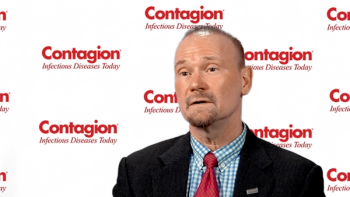
W. David Hardy, MD, discusses the Undetectable Equals Untransmittable (U=U) movement.
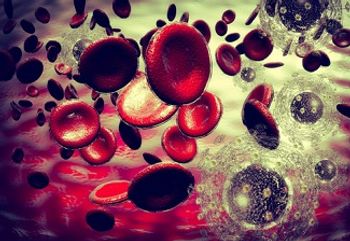
A new assay distinguishes between intact and defective HIV proviruses in infected cells, a study reports.

Ian Frank, MD, discusses the future of HIV prevention and long-acting injectables.

Paul Sax, MD, discusses 2-drug approaches for treatment of HIV, including dolutegravir + lamivudine.
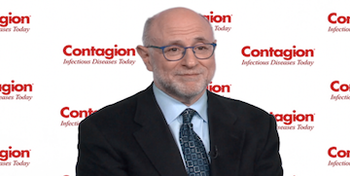
Ian Frank, MD discusses how younger individuals who do not take regular medication may struggle to adhere to the daily routine.

Concerns of at-risk patients forgoing condoms may be driving the reluctance of some clinicians to prescribe the preventive regimen.
Paul Sax, MD, discusses treatments for HIV that are currently in development.
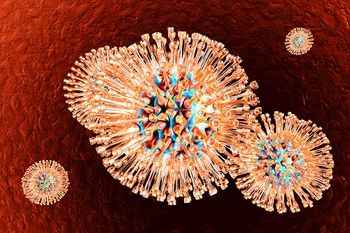
A new study finds that regular use of tenofovir gel helped reduce the risk of genital herpes acquisition in women in sub-Saharan Africa.

W. David Hardy, MD, discusses the challenges health care providers encounter when it comes to patients taking PrEP.

A shocking find on a CT scan leads to an unexpected diagnosis.

Ian Frank, MD, discusses strategies that individuals taking PrEP can use to maintain adherence to the daily regimen.
A breakthrough message for patients that must be delivered correctly by health care providers. The Undetectable Equals Untransmittable, or U=U, move­ment is a global campaign definitively stating that people living with HIV (PLWH) who have undetectable HIV RNA are unable to transmit HIV. By educating people, the hope is that they will get tested and, if necessary, start and stay on treatment. This message has been endorsed by many organizations, including the US Centers for Disease Control and Prevention and the HIV Medicine Association.

ART is associated with increased waist size in some people with HIV, and a new study aims to shed light on the factors involved.
The bold promise in last week’s State of the Union address is achievable, but may mean keeping the Affordable Care Act.
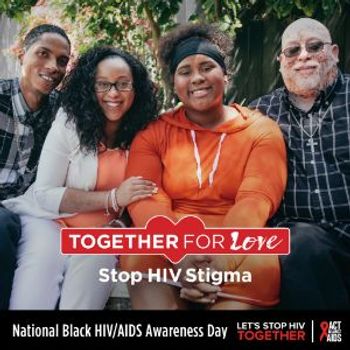
National Black HIV/AIDS Awareness Day is all about fighting the HIV stigma and encouraging education, testing, and prevention.

In an ongoing study spanning more than 15 years, investigators have made key discoveries about how HIV and TB drugs affect pregnant and postpartum women, leading to new safety and dosing recommendations for several medications.

In theory, investigators now have the tools to edit a patient’s genes to fight HIV. However, there’s a big difference between potential and reality.

The sNDAs will seek approval for the use of doravirine and doravirine/lamivudine/tenofovir disoproxil fumarate in individuals with HIV-1 whose virus is suppressed and are switching from a stable antiretroviral regimen.
A new review shows transgender women face higher HIV rates than transgender men, but also finds a relative lack of data about transmen.
In a new study, Michigan State University investigators identified an immune receptor, SLAMF7, that had the ability to decrease immune response when activated on monocytes.

New evidence suggests that use of certain opioids may increase the risk of developing pneumonia, particularly in patients with HIV.
Investigators in Canada link larger HIV reservoir sizes to a virus gene that is more functional in one subtype of the virus, with findings which may one day contribute to the development of an HIV cure.
Advertisement
Advertisement
Trending on Contagion Live
1
Measles Update: September 25, 2026
2
US Company Recalls Thousands of Pounds of Uninspected Meat
3
Carbapenem-Sparing Therapy for ESBL Bacteremia: New Trials, Old Questions
4
Enivronmental Stewardship: The Role of Antimicrobials in Climate Change
5