


Prevention
Latest News
Advertisement
Latest Videos






































































































































Advertisement
More News

Presenters combed through the barrage of clinical trials to share those that could be practice-changing for clinicians.
Flu season has officially begun in the United States, as the first cases and deaths of the season are reported, prompting health officials to press for vaccination.

A new study pulls back the curtain into a complex web of resistance, colonization, and the challenges of antimicrobial resistance in this setting.
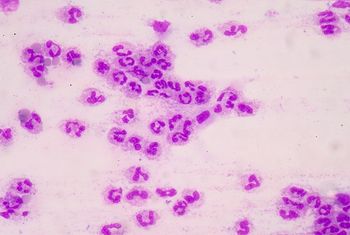
A recent study found that a sepsis care bundle program implemented in The Mount Sinai Hospital in New York coincided with an increase in antibiotic prescriptions and higher rates of Clostridium difficile infections.

The message for clinicians is to be vigilant. Look for candidemia and C. difficile infection occurring together.
Sue Cammarata, MD, explains the advantages that delafloxcin has over other fluoroquinolones.

Using combination antifungal therapy for invasive mold diseases is still a grey area that remains to be supported by robust data and relies heavily on clinician assessment.

Neil Fishman, MD, explains what the standardized antimicrobial administration ratio is.

Researchers found that the use of the treatment algorithm for staphylococcal bacteremia shortens therapy without compromising outcomes.
Emily Heil, PharmD, BCPS-AQ ID, sheds light on one of the standards of new antibiotic stewardship regulations: all antibiotic orders should include indication for use.

Whether the oft-repeated pattern of initial drug success followed by increasing resistance plays out in the future for many drugs remains to be seen.
David Andes, MD, shares the half-life and dosing intervals for a new long-acting echinocandin.

In case you missed them, we've compiled the top five infectious disease articles from this past week.
Steven Gelone, PharmD, shares the topline data yielded from the LEAP-1 study.
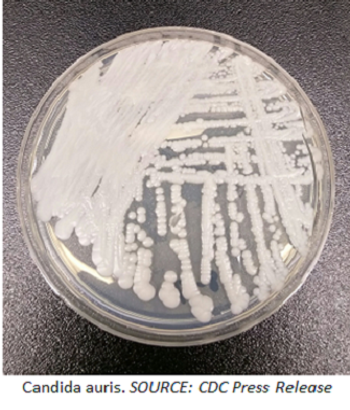
Candidemia is the most common healthcare-associated bloodstream infection in the United States, with an incidence of 5-15 per 100,000 persons.
Investigators presented advances in basic and clinical research on infectious diseases and HIV in the past year at ID Week.
Patrick Horn, MD, PhD, explains why eravacycline is a unique antibiotic and how it stands up against many different types of pathogens, including those that are multidrug-resistant.

It is only a matter of time before the next infectious disease pandemic hits and healthcare officials need to be prepared.
Dr. Monique Foster, CDC, and Dr. Eric McDonald, San Diego County Health and Human Services Agency, discuss the surprising return of hepatitis A virus as part of the Late Breakers I symposium.

James S. Lewis, PharmD, FIDSA, addresses the issues that surround current antibiotic development.

A new antibiotic susceptibility testing device developed by scientists at the National Institute of Standards and Technology could offer doctors a faster way to prescribe the right antibiotic.

Will the HHS see a new face for secretary, or will a familiar standby fill in where Dr. Price left off?

The FDA recently issued a Compounding Risk Alert related to a rare, adverse event associated with compounded triamcinolone, moxifloxacin, and vancomycin: potential blindness.

A new study finds that certified nursing assistants working in long-term care facilities are not changing their gloves as often as they should, running the risk of spreading infection.

Experts debate the use of cephalosporins in patients who are allergic to penicillins who have not undergone a prior allergy evaluation.
Advertisement
Advertisement
Trending on Contagion Live
1
CDC Tracking 4 Active Foodborne Outbreaks
2
IDSA/ESCMID Statement on Staphylococcus aureus: Follow-Up Blood Cultures
3
On World Rabies Day, When to Seek Treatment, Clinical Considerations for Post Exposure Prophylaxis
4
Monoclonal Antibody Meets Primary End Point in Phase 3 Hepatitis D Trial
5