

Prevention
Latest News
Advertisement
Latest Videos























































































































Advertisement
More News

The results of a new study from Vanderbilt University provide more support for breastfeeding, revealing that sugars in human breast milk can help protect babies from bacterial infections.
Daniel Pilch, PhD, discusses the approach that he and his team took to develop a new drug to fight MRSA.

New research reveals a way to help increase healthcare provider hand hygiene by empowering patients to take an active role.

A new study looks at the microbial burden of sponges and dispels our beliefs on cleaning them.
Kenneth Mayer, MD, discusses some societal challenges that at-risk individuals face today that may keep them from taking pre-exposure prophylaxis.

A herpes infection leads to deadly viral meningitis in an Iowa infant, an ingestible smart pill that can remind you to take your medications, global catastrophic biological risks, whether or not you should complete the full course of antibiotics, and all you need to know about Candida auris make up this week’s Top 5 articles.
Milena McLaughlin, PharmD, MSc, explains how antimicrobial shortages differ between high- and low-income countries.
Reports of increasing cases of antibiotic-resistant gonorrhea are on the rise and in fact, the World Health Organization has designated the infection as high priority as it poses a great public health threat.

Edmond LaVoie, PhD, describes the properties of prodrug TXA709.
Only 6 countries have gone through pandemic preparedness—here is why that should worry us.

Can increased understanding of the role of the behavioral immune system reveal ways to address issues of bias in society?
Reducing overall antibiotic exposure is likely to have an impact on decreasing antimicrobial resistance.
Candida auris—Are we prepared for another multidrug-resistant pathogen?
This training will empower pharmacists practicing in LTC facilities to develop antimicrobial stewardship programs, improve patient outcomes related to infectious diseases, and facilitate compliance with CMS requirements.
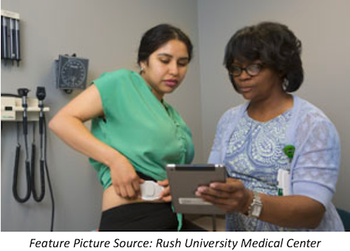
An ingestible smart pill developed by Proteus Digital Health can remind patients with chronic diseases to take their medication.
The Center for Health Security has given us a powerful tool against future biological threats.
ason Gallagher, PharmD, BCPS FCCP, FIDSA, explains why clinicians should be aware of the challenges associated with getting antimicrobial susceptibility testing results.
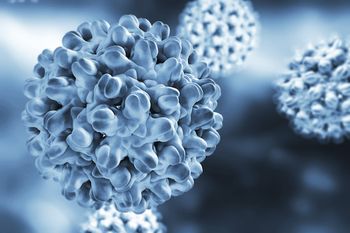
The decision date for a NDA for a new hepatitis B vaccine, Dynavax’s Heplisav-B, has been delayed, as the FDA asked for more post-marketing study information on the vaccine.
Arjun Srinivasan, MD, discusses how outbreaks can occur in operating rooms.
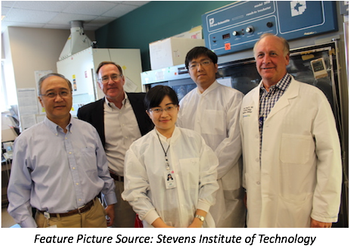
A team of researchers at Stevens Institute of Technology are working on the development of a rapid, cost-effective diagnostic test for the detection of bacterial and viral infections.
A year on, the United States and most of the other countries affected by the Zika virus are better prepared to prevent outbreaks and control their spread. The proof is in the data.
Jason Pogue, PharmD, BCPS-ID, explains how ceftolozane-tazobactam differs from other beta-lactams for treating Pseudomonas infections.
Hanneke Schuitemaker, PhD, explains what makes Janssen’s new HIV-1 vaccine regimen unique.
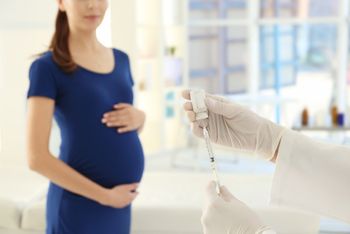
In a new study published in the journal Vaccine, researchers examine the antibody response to the flu vaccine in pregnant women and their babies.
Milena McLaughlin, PharmD, MSc, explains ways to remain vigilant when it comes to drug shortages.
Advertisement
Advertisement
Trending on Contagion Live
1
CDC Tracking 4 Active Foodborne Outbreaks
2
IDSA/ESCMID Statement on Staphylococcus aureus: Follow-Up Blood Cultures
3
On World Rabies Day, When to Seek Treatment, Clinical Considerations for Post Exposure Prophylaxis
4
Monoclonal Antibody Meets Primary End Point in Phase 3 Hepatitis D Trial
5