


Prevention
Latest News
Advertisement
Latest Videos
























































































































Advertisement
More News
Contagion® will be providing exclusive coverage on the conference, and so, keep your eyes peeled for session coverage and interviews with some of the key presenters.

Navigating the difficult road of Clostridium difficile (C. difficile) surveillance, reporting, and reimbursement.

A recent study of Shiga toxin-producing Escherichia coli strains reports a high frequency of STEC antimicrobial resistance to drugs commonly used in human and veterinary medicine.

MNT occurs neonatally when a newborn’s unhealed umbilical stump is infected with Clostridium tetani, the bacterium that causes tetanus.

This study provides information on previously unidentified organisms, which has the potential to revolutionize the field of infectious disease and open doors for new therapeutics.
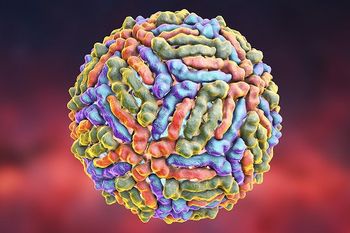
With new West Nile virus cases reported in California and Washington state, health officials are reminding the public that it’s not too late in the season to catch the mosquito-transmitted disease.
The CDC’s most recent Sexually Transmitted Disease Surveillance Report shows that the rates of sexually transmitted diseases have reached a record high in the United States.

With major outbreak preparedness measures successfully in place at home, major US health institutions are looking to import these efforts overseas.
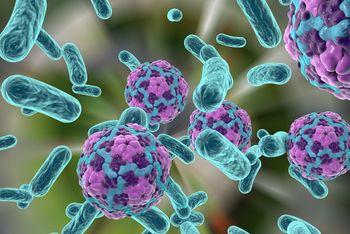
Officials from the Los Angeles County Department of Public Health declare a local hepatitis A outbreak, as HAV outbreaks continue in San Diego and Santa Cruz.
Hanneke Schuitemaker, PhD, explains the challenges faced when creating a vaccine for HIV.
Magda Opsomer, MD, shares the results of the Phase 3 EMERALD trial for darunavir.
A fast-paced world requires modern meat inspection processes, but are we lagging in our efforts?

In case you missed them, we've compiled the top 5 articles from this past week.
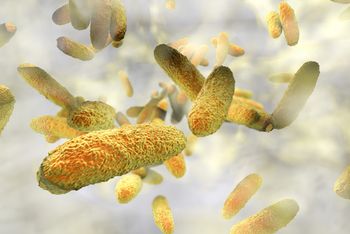
Following a deadly pneumonia outbreak in a Chinese hospital last year, researchers have identified a dangerous new superbug that is drug-resistant and highly virulent.
William D. O’Riordan, MD, FACEP, explains what makes iclaprim a unique antibiotic.
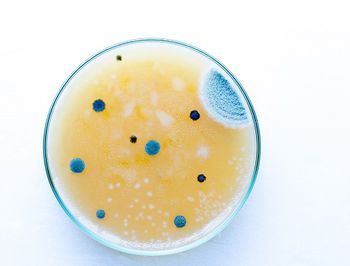
One single-center study demonstrates that for patients with hospital stays of 1 week or less, reporting bacteriology results sooner may lead to earlier discharge.
David Huang, PhD, MD, explains what the next steps are for iclaprim, an antibiotic developed to treat patients with acute bacterial skin and skin structure infections.

UCLA researchers have shown that using molecular methods to predict susceptibility testing could serve as a new way to monitor drug-resistant gonorrhea.
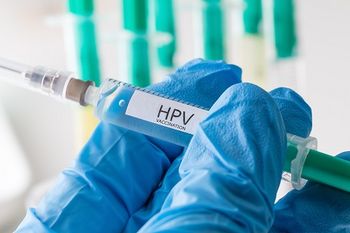
Researchers from the Moffitt Cancer Center find that the newest HPV vaccine protects against 9 cancer-causing strains of the virus.
Silvia Munoz-Price, MD, PhD, explains how the undefined role of a hospital epidemiologist can be problematic.

Stay up-to-date on the latest infectious disease news by checking out our top 5 articles of the week.
Jessica Justman, MD, reveals the latest results of the Population-based HIV Impact Assessment Project (2017).

New CDC Morbidity and Mortality Report highlights gaps in infection control practices in many New York City hospitals.
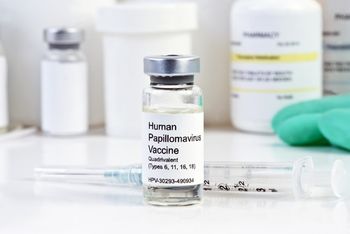
Administration of the HPV vaccine continues to lag behind that of other recommended vaccines. How can providers increase the proportion of adolescents vaccinated against this sexually transmitted virus?
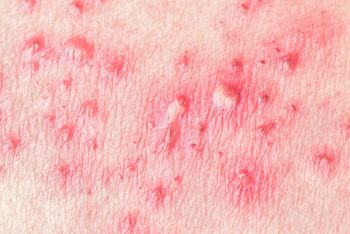
A FDA expert advisory panel voted unanimously to back a new shingles vaccine developed by GlaxoSmithKline: Shingrix.
Advertisement
Advertisement
Trending on Contagion Live
1
CDC Tracking 4 Active Foodborne Outbreaks
2
IDSA/ESCMID Statement on Staphylococcus aureus: Follow-Up Blood Cultures
3
On World Rabies Day, When to Seek Treatment, Clinical Considerations for Post Exposure Prophylaxis
4
Monoclonal Antibody Meets Primary End Point in Phase 3 Hepatitis D Trial
5