






























































































































It’s time to consider the newly diagnosed population as distinct from the HIV-infected population as a whole when measuring viral suppression levels.
It’s time to consider the newly diagnosed population as distinct from the HIV-infected population as a whole when measuring viral suppression levels.

At the HIV Research for Prevention, in Madrid, Spain, the Global HIV Vaccine Enterprise presented a framework for working towards the development of a safe and effective HIV vaccine.
Herpes simplex virus type 1 is associated with a higher risk of Alzheimer’s disease, yet the antivirals prescribed to treat the infection may reduce the risk of dementia.
Revised DHHS and IAS–USA guidelines provide new insight for physicians managing patients with HIV.
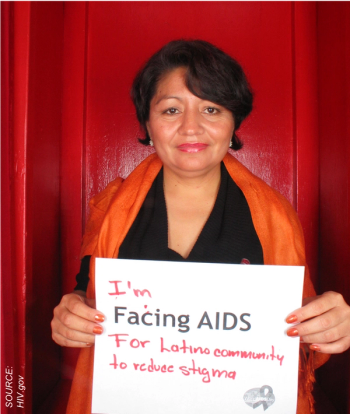
Although Latino women face higher barriers to HIV care than their male counterparts, a willingness to use support services may be a reason they fare equally well.
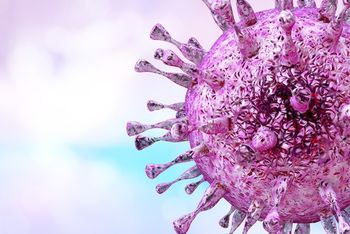
An eVLP cytomegalovirus (CMV) vaccine was found to be safe and immunogenic at very low doses in healthy seronegative adults.
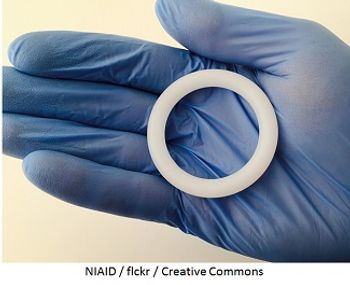
Three new trials, published in CID, highlight potential for intravaginal rings.
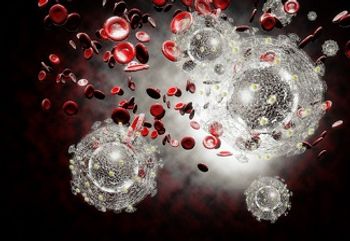
Long-term safety and efficacy data from the pivotal phase 3 EMERALD trial were presented at ID Week 2018.

Stay up-to-date on the latest infectious disease news by checking out our top 5 articles of the week.

The recombinant 9-valent human papillomavirus (HPV) vaccine, Gardasil 9 is now approved in adults 27 to 45 years of age.
Nonadherence to antiretroviral therapy was associated with a higher risk of death.

In case you missed them, we've compiled the top five infectious disease articles from this past week.
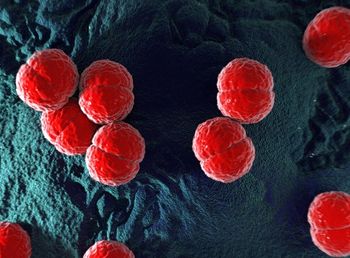
New surveillance report sheds light on meningococcal disease rates among HIV-infected MSM.

A new report from the CDC underscores the need for all pregnant women to receive early prenatal care that includes syphilis testing at their first visit.
Colleen Kelley, MD, discusses the possibility of an HIV vaccine and current progress being made in HIV prevention.
The NIH has launched a phase 1 trial evaluating whether it is safe to administer infusions of 2 broadly neutralizing antibodies (bNAbs) in people living with HIV.
Even as new treatments for the virus become available, access may be an issue thanks to budget re-shuffling in Washington.

As millennials communicate extensively by text, investigators designed a study to improve rates of retention and medication adherence in young men who have sex with men.
Douglas Krakower, MD, explains how predictive models can be used to identify patients that are at a higher risk for HIV and could benefit from learning about PrEP.
Eric Daar, MD, discusses the obstacles associated with new research and technology in the pursuit of finding a cure for HIV.

HIV-specific ex-vivo expanded T cell therapy appears to be safe and well tolerated in people with HIV taking antiretroviral therapy who are virally suppressed.
The current CDC recommended therapy for the treatment of uncomplicated gonorrhea remains the dual combination therapy of 250 mg ceftriaxone delivered intramuscularly and 1 g of azithromycin taken orally.

Stay up-to-date on the latest infectious disease news by checking out our top 5 articles of the week.
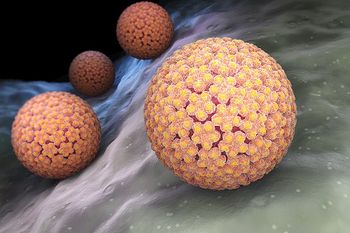
When it comes to HPV infection in men who have sex with men, the type of virus they contract has real implications for their future cancer risk.

The US Preventative Services Task Force recommends early screening for syphilis in pregnant women and a literature review has reinforced the recommendations.