

















































































































































Implants are promising for long-term, sustained, and reversible delivery of ARV drugs that may bypass adherence challenges for end users.
Implants are promising for long-term, sustained, and reversible delivery of ARV drugs that may bypass adherence challenges for end users.

ViiV Healthcare study results suggest a 2-drug regimen may control HIV in treatment-naïve patients.

Having HIV increases cancer risk, but long-term viral suppression, as well as early treatment, can significantly lower chances of a cancer diagnosis.

A new study reveals that HIV clinicians may not be doing enough to monitor for opioid abuse/misuse among patients.

Stay up-to-date on the latest infectious disease news by checking out our top 5 articles of the week.

A higher number of new sexual partners, as well as lifetime sexual partners, may drive this risk in these patients.

A new study looks at the process by which A. fumigatus crosses the airway epithelium, positing a theory involving the use of actin to tunnel into cells.

The results of a new study reveal that rates of viral suppression in women infected with HIV have improved since 2001; however, control of diabetes mellitus has remained poor, regardless of HIV status.

Although most health care providers are adhering to the recommended regimen, the US Centers for Disease Control and Prevention reports that about 20% of patients with uncomplicated gonorrhea are not receiving the recommended dual regimen designed to ward off resistance.

Study data suggest stimulants could be causing the virus to become more active and could expand the HIV reservoirs of patients.
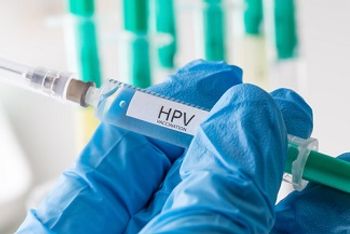
Despite public health recommendations, a new study has found that too many adolescents and young adults in the United States are failing to complete the full vaccination course for HPV.

Study results indicate that starting combination antiretroviral therapy early can stave off further neurological damage associated with HIV infection.

Stay up-to-date on the latest infectious disease news by checking out our top 5 articles of the week.

Findings from a recent study find enduring effects of LDH on learning and memory, suggesting potential clinical utility in women with HIV.

Leah H. Rubin, PhD, MPH, MA, discusses the importance of finding ways to improve cognitive function in women who are living with HIV.

The advent of antiretroviral therapy has increased lifespans for those with HIV, meaning there’s a greater need to address the rising incidence of cancer in this aging population.
New research suggests that too many patients with acute infections are dying in one South African city affected by high rates of HIV and TB.
Douglas Krakower, MD, explains how electronic health records have expanded in use in order to identify people at risk for diseases who could benefit from preventive interventions.
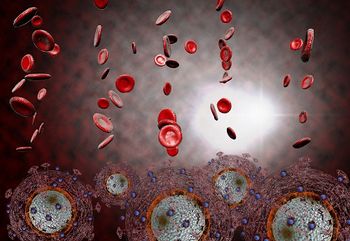
Primary care physicians are using an innovative heatmap, customized web-based software, and an extensive survey to reduce the number of new HIV diagnoses and increase viral suppression rates in patients with HIV.

In case you missed them, we've compiled the top five infectious disease articles from this past week.
Study finds some patients may be able to go up to 9 months between care visits without an impact on viral load, while other patients need to maintain the current recommended rate of

With drug shortages and rising incidence of HIV/AIDS, the South American country may be on the verge of a public health crisis.

The US Food and Drug Administration (FDA) has approved once-daily oral Truvada to reduce the risk of sexually acquired HIV-1 in at-risk adolescents, in combination with safe-sex practices.

Brain damage caused by HIV can begin soon after infection, according to new research, but initiating antiretroviral therapy drugs can halt the damage.

In case you missed them, we've compiled the top 5 articles from this past week.